Dino Martins shares his expertise on the recent Cyclospora outbreak and the New World screwworm, highlighting the complex relationship between humans and parasites.
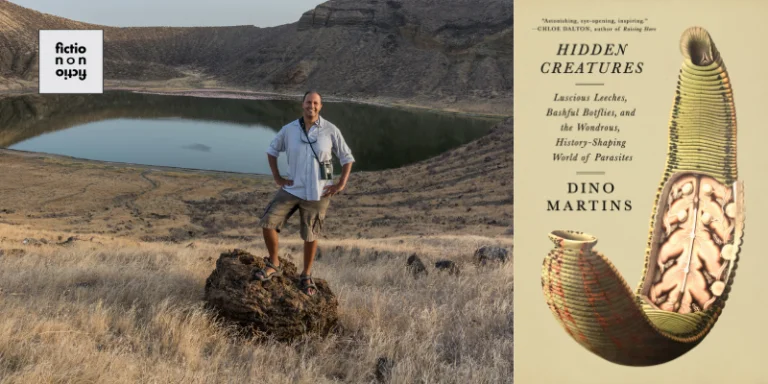
Entomologist Dino Martins recently joined co-hosts V.V. Ganeshananthan and Whitney Terrell to examine pivotal issues surrounding the Cyclospora outbreak that has impacted thousands in the U.S., alongside the troubling resurgence of the New World screwworm affecting cattle. A notable contributor to the conversation, Martins has also authored Hidden Creatures: Luscious Leeches, Bashful Botflies, and the Wondrous, History-Shaping World of Parasites, where he reflects on both the detrimental and beneficial aspects of these organisms through the lens of his long-standing fascination with insects, rooted in his upbringing in Kenya. He argues that observing the complexities of life alongside animals has fundamentally reshaped his perspective on the natural world.
For a fuller experience, subscribe through platforms like iTunes or Spotify, or stream directly from the player below. Video versions are also accessible on the Fiction/Non/Fiction Instagram account and the Fiction/Non/Fiction YouTube Channel. This podcast is produced by V.V. Ganeshananthan and Whitney Terrell.
Cyclospora and Food Safety
In their discussion, Martins explains that while Cyclospora infections pose a significant health risk, particularly through consumption of contaminated food, this parasite is not necessarily unique. Its characteristics have parallels with various intestinal worms found in both animals and humans. This specialized protozoan can only complete its life cycle by infecting intestinal cells, highlighting its specific host requirements.
Martins emphasizes that Cyclospora is often misconceived as an exotic threat, arguing that many regions around the globe coexist with such parasites without catastrophic consequences. However, he warns that this should not downplay the challenges facing our food safety systems. Outbreaks like the current Cyclospora cases reveal underlying flaws in agricultural practices and waste management that continue to jeopardize public health.
As he remarks, “What we’re doing to the planet directly influences these outbreaks;” current agricultural methods and environmental degradation overwhelm natural ecological pest management, leading to these re-emerging infections. The paradox is that many parasites we thought we had subdued are staging a comeback, suggesting a dire need to rethink our approaches to pest control and environmental stewardship.
New World Screwworm: A Threat to Livestock
Shifting focus, Martins discusses the New World screwworm's impact on livestock. The larvae of this parasite develop by feeding on living tissue, causing severe wounds on their hosts. Surprisingly, these parasites can emit a chemical cue that attracts additional flies, exacerbating the infestation. This vicious cycle poses significant risks to cattle health and agricultural productivity.
Historically, the New World screwworm was rampant in North America, decimating livestock populations until scientists implemented the sterile insect technique to control it. Nonetheless, current conditions have altered, leading to its resurgence. “Nature will always find a way,” Martins notes, reminding us that no matter the technological advancements in pest control, ecological balance cannot be fully restored without sustainable practices.
Pressure on livestock systems from environmental factors raises questions about agricultural densities and the ecological ramifications of modern farming. The wounds inflicted by the screwworm lead not only to physical harm but can also become pathways for systemic infections, ultimately resulting in weakened animals and diminished agricultural outputs.
The Paradox of Parasites
The broader dialogue surrounding parasites challenges prevailing perceptions that categorize them solely as threats. Martins pushes back against this narrative by pointing out the intricacies of these organisms and their ecological roles. While parasites can indeed inflict harm, they also play significant roles in regulating host populations and ecosystems at large. In his discussions, he stresses that appreciating the complexity of these life forms is key to understanding their impact on human environments.
The conversation encapsulates a vital narrative: our interconnectedness with nature is both beautiful and perplexing. As we face resurgent threats like Cyclospora and the New World screwworm, re-evaluating our relationship with these organisms becomes paramount. Recognizing the potential benefits—such as the roles parasites play in biodiversity and ecosystem health—may lead to more thoughtful, sustainable interactions with the natural world.
Our relationship with parasites is more than a fight for survival—it’s an invitation to deepen our understanding of ecological relationships. As we navigate these challenges, Martins’ perspective encourages a more nuanced appreciation of the organisms that share our planet.
Transcribed by Otter.ai. Condensed and edited by Vianna O’Hara. Photograph of Dino Martins by Liam Frederick.
Discussion
Sign in to join the discussion.