The Millions Returns: Exploring Literary Reflections for 2025
Published Dec 22, 2025557 readers
As *The Millions* returns, authors share their favorite reads, blending personal experiences with contemporary works to guide readers toward meaningful literature.
Recovering from a Hiatus
The literary community has been holding its breath for the return of *The Millions*, which took a year-long break from publishing. During this downtime, the editorial cadence was substantially reduced, leaving only seasonal Most Anticipated lists to satisfy readers' cravings for book recommendations. However, as we move into 2025, the publication couldn't miss the opportunity to resurrect its beloved Year in Reading series. This familiar format invites prominent authors and thinkers to reflect on their standout reading experiences from the previous year.
The revamped format this year is decidedly more streamlined. Contributors were encouraged to share shorter insights, and the series is being released all at once, instead of staggered over several weeks. Despite the changes, the goal remains clear: help readers find their next must-read. Personally, I'm inspired to finally tackle some Muriel Spark novels after reading Sebastian Castillo's contributions—his enthusiasm is infectious.
Engaging with Contemporary Work
As the marketing director for Deep Vellum and Dalkey Archive Press, James Webster confessed that his reading habits have leaned heavily toward contemporary works lately. Normally a more eclectic reader, Webster noted a wave of impressive debut novels that demanded attention. He particularly praised *Lonely Crowds* by Stephanie Wambugu, a title he's eagerly spotlighted, along with the fiery humor of Ariel Courage's *Bad Nature*. Something worth acknowledging here is the emotional resonance these books carry; they're not just meant to entertain but to provoke thought and conversation.
Additionally, Webster has ventured into works that delve into the lives of historical figures, like Francesca Wade's biographical examination of Gertrude Stein, which serves not only as a tribute to the artist but also as a commentary on her lasting impact. His eclectic taste also found room for international voices, spending several months engrossed in Italian women writers.
Building a Personal Connection through Literature
The intertwining of personal experience and reading choices is palpable in the contributions of authors like Henry Hoke, who became a parent in early 2025. His literary selections reflect a yearning for connection to his roots in Los Angeles while he adapted to life on the other coast. Hoke’s mention of Elizabeth Hall’s *Season of the Rat* speaks volumes about the cultural landscape of LA, laden with both nostalgia and the realities of displacement. He seeks refuge and resonance in books that echo the complexities of human experience—especially in a year marked by loss and recovery.
His engagement with new literary forms, such as Stacy Elaine Dacheux's illustrated memoirs, emphasizes the power of art in shaping conversations around resilience. Hoke's explorations extend beyond narrative; they delve into the art of storytelling as a means to navigate life's challenges.
Literary Discoveries in a Changing World
Looking at the broader implications, this year's selections from various writers demonstrate not just shifts in audience preference, but also an evolving understanding of literature's role in contemporary society. Eliana Ramage’s reflections on Hala Alyan's *I’ll Tell You When I’m Home* reveal how literature can eloquently depict personal histories intertwined with larger cultural legacies. These literary discoveries matter, as they enrich our understanding of not only the individual experience but also the collective memory.
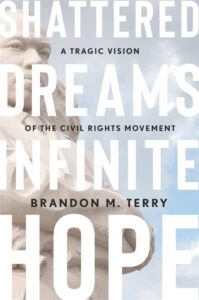
Amid an array of themes, from civil rights movements to personal growth through parenthood, the diverse readings in this year's series suggest a shared longing for deeper understanding and connection through stories. It’s a reminder that even as many faced tumultuous times, literature remains a steadfast companion in grappling with complexities of identity, history, and the everyday joys and struggles of life.
The Pull of Connection
Reading E.M. Forster's *Howards End* recently offered a paradox that many first-time readers seldom anticipate. At first glance, the book appears almost archaic—its cover, dust-laden and uninviting, propels the impression of a forgotten relic. Yet, once you dive between the pages, the narrative bursts forth with an unexpected vibrancy and wit. Forster’s exploration of social classes in Edwardian England, rife with the glittering likes of Virginia Woolf and Vanessa Bell, feels more alive than ever. The contrast between the initial perception of staleness and the lively reality of the prose is striking.
At the heart of Forster's novel lies the catchphrase “only connect.” While this motto might strike some as overtly sentimental, it serves a profound purpose—urging us to intertwine logic with emotional insight. The divisions amongst social classes—where the old money despises the new and everyone seems to harbor pity or disdain for the poorer classes—become avenues for meaning, rather than suffocating barriers. Forster nuances a rich tapestry of human relationships interwoven with quirks and eccentricity, the very elements that lend the text its charm.
But how does this notion of connection translate to our own lives, particularly for writers? Do we pen words to bridge emotions, or are we merely fulfilling an uncontrollable urge? For me, the act of writing is less about the pursuit of connection and more about necessity. There’s a kind of littered honesty in admitting that sometimes, you write simply because you feel compelled to. The method of putting thoughts into words in itself brings a clarity that’s both magical and mundane. Good or bad, the true essence of writing often lies not in its reception but in the intimate act of creation.
This reflective understanding asserts that art can indeed be an anchor, a lifeboat in turbulent waters. Whether it’s the melody of a favored song, the allure of an evocative painting, or the innocent joy gazed from a child’s face, reminders of connection are ubiquitous. They illuminate the reasons we engage with art in the first place and the underlying purpose behind our own expression. And maybe that’s enough to aspire to—seeking a narrative that resonates, offering a bit of nobility to what can often feel like a mundane task. It’s a lofty stretch, but perhaps one worth reaching for.
Reflections on New York's Character
This year, as I immersed myself in the gritty yet enchanting narratives of New York City, I couldn’t help but feel the pull of its dual nature: the harmonious coexistence of the ordinary and the extraordinary. The tales spun from the fabric of this metropolis are rich with contradictions—like the charm of a stranger holding the subway door, juxtaposed with the startling image of a rat dragging a slice of pizza through the grime of a station platform. The physical density of the city amplifies moments of humanity, where small acts of kindness shine prominently amid towering steel and concrete.
As I explored three significant books detailing New York’s storied past, I found myself reflecting on its complex story of rise and disparity. Among these, Robert Caro’s *The Power Broker* stands out, alongside Jonathan Mahler’s *Gods of New York* and Thomas Dyja’s *New York, New York, New York*. Each text unveils layers of ambition that sculpted the city, revealing how wealth has soared while leaving many behind in stark contrast. The narrative breathes life into figures often elevated to mythic status—smashing the idolization to reveal the flawed human beings behind the legacies. I found it telling that even renowned leaders weren’t immune to petty disputes, be it Robert Moses's very public confrontations or Ed Koch's battle for relevance alongside his often-political foes.
Reading these accounts clarified a stark truth: the grandeur of New York is built not only on triumphs but also on the shadows cast by its own leaders’ greed and ego. What resonates is how the human element permeates the saga of this city—where every triumph seems tinged with the reality of exclusion.
New York's narrative is a testament to human resilience but also a mirror reflecting the city's failures. We often celebrate its achievements without grappling with the cost of its progress. For anyone entrenched in discussions about urban environments and socioeconomic divides today, these stories provide essential insight. They remind us that the miracle of a bustling city is laced with stories of those who struggle to keep up and those left out entirely. If you’re analyzing urban development or community dynamics, consider this: our cities are shaped not just by the powerful but also by the silent struggles of their inhabitants. Understanding this duality is key to envisioning a future where everyone has a place in the narrative of city life.
Discussion
Sign in to join the discussion.