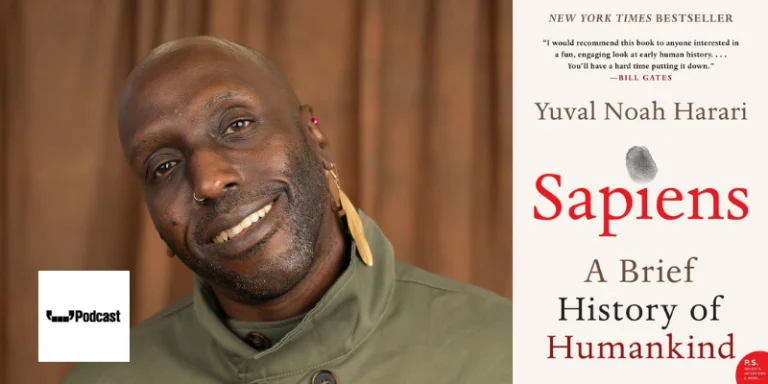
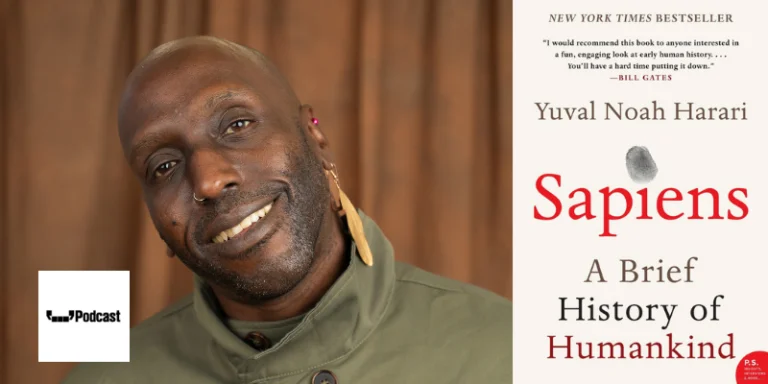
Kei Miller shares insights on Yuval Noah Harari’s Sapiens, exploring the intersections of narrative and human history in a fascinating conversation.
The Windham-Campbell Prizes Podcast Overview
The Windham-Campbell Prizes Podcast presents engaging conversations with past and present prize winners, hosted by Michael Kelleher.
The Windham-Campbell Prizes have garnered attention for their impact on the literary community, offering substantial recognition to authors who have made significant contributions to literature across several genres. These prestigious awards not only shine a light on individual achievements but also underscore the importance of diverse voices in the literary world. Michael Kelleher, hosting the podcast, ensures that discussions are not only reflective but also rich with context, touching on profound themes that resonate with both writers and readers alike.
Kei Miller's Significance in Literature
In a recent episode, Michael Kelleher engages with Kei Miller, the 2026 Windham-Campbell Prize recipient for Nonfiction, centering the discussion around Yuval Noah Harari's contentious work, Sapiens. Their dialogue probes how narratives shape our understanding of humanity and vice versa.
Kei Miller isn’t just another name in the literary sphere; he represents a distinctive blend of cultural scholarship and artistic expression. His recognition as a Windham-Campbell Prize recipient is a testament to his influence, particularly in exploring complex themes related to identity, race, and colonial histories. There's something about the way Miller articulates these issues through both poetry and prose that challenges readers to reflect critically on their own perspectives.
The discussion about Sapiens opens a broader examination of storytelling. Harari’s narrative has provoked intense debate with its sweeping generalizations about human history. While his thesis presents an accessible overview of humanity's evolution, it often simplifies intricate socio-cultural dynamics. Miller’s analysis builds upon that contention, urging deeper scrutiny of how popular narratives can distort historical truths or elevate specific perspectives while sidelining others.
Implications of Storytelling in Culture
What this means for you, the listener or reader, is significant. When engaging with texts like Sapiens, you’re not just absorbing knowledge; you're participating in a dialogue about narratives that shape cultural identity and collective memory. Miller's perspective on Harari indicates that the stories we consume can influence societal ideologies and personal beliefs in unanticipated ways. This interplay between narrative and understanding deserves careful consideration as it can have long-lasting implications for how future generations perceive their past.
Storytelling is far more than mere entertainment; it’s a cultural mechanism through which societies formulate values, ethics, and identity. This category of issue often gets overlooked in literary discussions, typically reserved for academic circles. But popular works like Harari's reach mass audiences, shaping opinions and potentially impacting policy-making, education, and interpersonal relationships.
The Mechanics of Narrative Construction
Narratives, especially those that rise to popularity fast, don't simply present facts. They construct a reality. Harari’s Sapiens has been hailed for its narrative style, but that same style has led some critics, including Miller, to dissect its reliability. When stories are framed in a way that offers clear heroes and villains, they may gloss over the messy truths of human behavior and social constructs.
This mechanic of narrative construction is particularly pertinent in our digital age, where stories can proliferate rapidly across social media platforms. People share simplified versions of complex issues, which might skew public perception. It creates an echo chamber effect, reducing critical engagement with the actual details of historical events or philosophical arguments. Miller’s critical analysis of Harari’s work serves as a reminder that discussions should encourage diverse viewpoints rather than reinforce existing biases.
A Writer's Journey and Influence
Kei Miller's own literary journey reflects his deep engagement with these dynamics. He has produced notable works such as The Cartographer Tries to Map a Way to Zion and Things I Have Withheld, which both confront themes of nationalism, family, and personal identity. Miller doesn’t shy away from the complexities of lived experience but instead embraces them, inviting readers into a nuanced exploration of what it means to belong to a community shaped by history and geography.
This approach is particularly significant in the context of Caribbean literature, which has historically been marginalized on global platforms. Miller has emerged as a powerful voice, advocating for a literature that challenges colonial narratives and elevates local stories. As he engages with larger figures like Harari, he highlights the necessity of questioning dominant narratives and advocating for those who often go unheard.
Looking Ahead: The Future of Literary Dialogue
The Windham-Campbell Prizes Podcast represents more than just another literary discussion; it's part of a growing need for critical, nuanced dialogues around literature and culture. This isn’t just a retrospective look at individual works; it breeds new conversations that engage audiences in reflective thought about their narratives and the implications behind them.
As new technologies reshape how stories are shared and consumed, the responsibility lies with creators and consumers alike to remain vigilant about the complexity of what they encounter. While Harari’s Sapiens remains popular, Miller’s critical take serves as a reminder that popular narratives can be persuasive yet flawed. Engaging with multiple perspectives remains essential in fostering a more inclusive cultural dialogue.
Engagement in literary discussions should continue to be encouraged at all levels, whether in academic settings, casual reading groups, or platforms dedicated to exploring insights like Miller's podcast appearance. The significance of these discussions extends far beyond the pages of books—they're about shaping our collective understanding of who we are and what we believe. In this way, literature becomes a living, breathing entity that evolves with society.
The Windham-Campbell Prizes Podcast is overseen by the Yale University Library’s Beinecke Rare Book and Manuscript Library, ensuring a level of academic rigor that enhances its discussions.
This podcast is produced by Literary Hub and hosted by Michael Kelleher.
Theme music by Dani Lencioni
Production and editing by Drew Broussard
Discussion
Sign in to join the discussion.