Claims of a biased dress code at The Howard Stern Show highlight gender inequality, with female staff restricted from wearing sneakers while men aren't.
Dress Code Controversy at The Howard Stern Show
A recent report has sparked outrage concerning workplace attire regulations at “The Howard Stern Show.” According to allegations, female employees are restricted from wearing sneakers, while their male counterparts enjoy no such limitations. Insiders revealed that women frequently resort to hiding their athletic shoes under desks to adhere to these seemingly outdated rules at the SiriusXM office in New York City.
An employee described the unequal policy to
The US Sun, stating, “There is this rule that it doesn’t matter what kind of footwear men wore, but the women are not allowed to wear sneakers at work.” This stark difference in dress code expectations raises questions about gender equity in a modern office environment.
The insider further claimed that many female workers keep formal shoes hidden discreetly, anticipating visits from higher-level executives. “I know of people that still like keep non-sneakers in case certain execs are expected in the offices,” they shared, illustrating the underlying anxiety about maintenance of professional appearances.
What’s even more surprising is the persistence of these rules post-COVID-19. You might expect a relaxed atmosphere, yet the stringent dress expectations continue, with women expected to “dress up” even for online meetings. Imagining a post-pandemic workplace where professional attire becomes less formal seems distant here.
Insiders voiced their frustrations, with one stating, “Times have changed but also maybe don’t have different rules for men and women. That’s insane.” This sentiment touches on a larger conversation about appropriate workplace culture in today’s society, especially in high-profile settings like Stern’s show, known for its rebellious attitude.
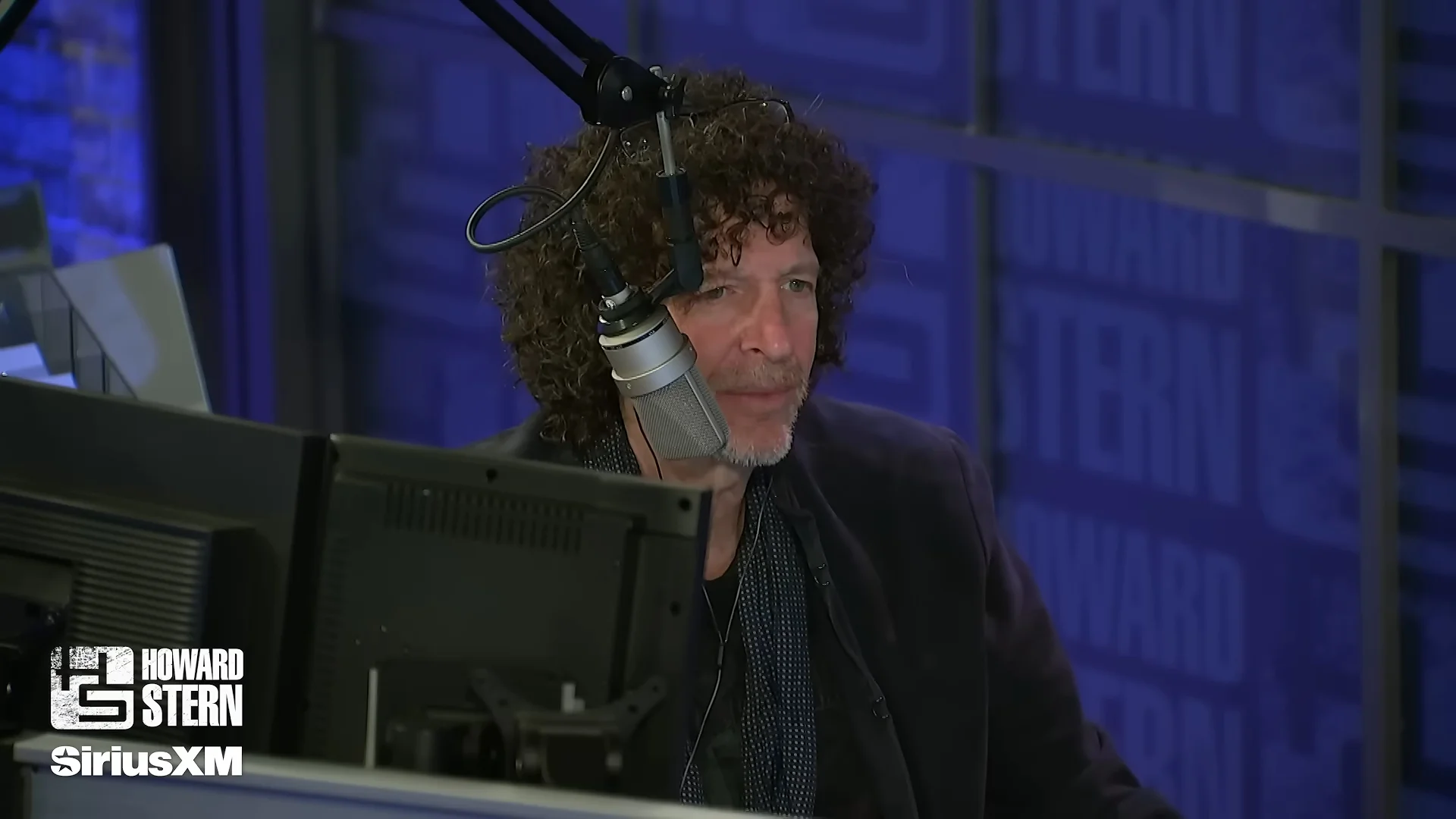
Interestingly, these discrepancies echo past comments from Howard Stern himself, who has previously criticized employee appearances in front of clients. During a PowerPoint presentation, he remarked that the team's appearance appeared lackluster, even likening some to “zombies from ‘Walking Dead.’” Stern urged his team to improve their appearances, asserting that they should “work on their appearance” during crucial workdays when clients visit.
In a climate that increasingly prioritizes inclusivity and equality, this rigid policy appears out of step with contemporary norms. If you’re monitoring corporate cultures in media or entertainment industries, this case serves as a reminder that while much has changed, some dated practices remain stubbornly in place.### The Takeaway from Stern's Ultimatum
Howard Stern’s recent pronouncement about workplace dress codes highlights the often rigid expectations celebrities impose on their employees. When Stern declares that “no one is an exception,” it raises questions about the culture he fosters on his show. It's a statement that can be interpreted as a push for professionalism or as a manifestation of toxic celebrity culture. This approach may send a clear message about appearances, but at what cost?
Insiders have reported stringent rules surrounding employee conduct, including a ban on speaking to Stern during work events, where failure to adhere can lead to termination. It paints a picture of a high-pressure environment where personal interactions are not just discouraged but can be detrimental to one’s job security. If you're operating in an entertainment context, this dynamic underscores the significant disparity between the glitz of celebrity life and the stark realities for those in support roles.
With such an atmosphere, the implications extend beyond Stern’s show. It prompts broader discussions about workplace culture in the entertainment industry. How do these rigid protocols affect employee morale? Are such draconian measures sustainable in a world that increasingly values collaboration and approachability over rigid hierarchy?
As industries shift towards more inclusive and less hierarchical structures, Stern’s rules might seem outdated. The entertainment industry is notorious for its eccentricities, but the question remains whether this approach reflects a resilient brand or simply a stubborn unwillingness to adapt. If you're keeping an eye on workplace trends in the media, understanding this dichotomy could be pivotal in navigating the complexities of talent dynamics and employee satisfaction in the industry.
Discussion
Sign in to join the discussion.