Unraveling the Grim Allegations Against Nick Reiner and Their Implications
Published Aug 12, 2026342 readers
Nick Reiner faces shocking charges of premeditated violence against his parents, complicating his defense amidst questions of mental health and intent.
The Shocking Allegations Against Nick Reiner
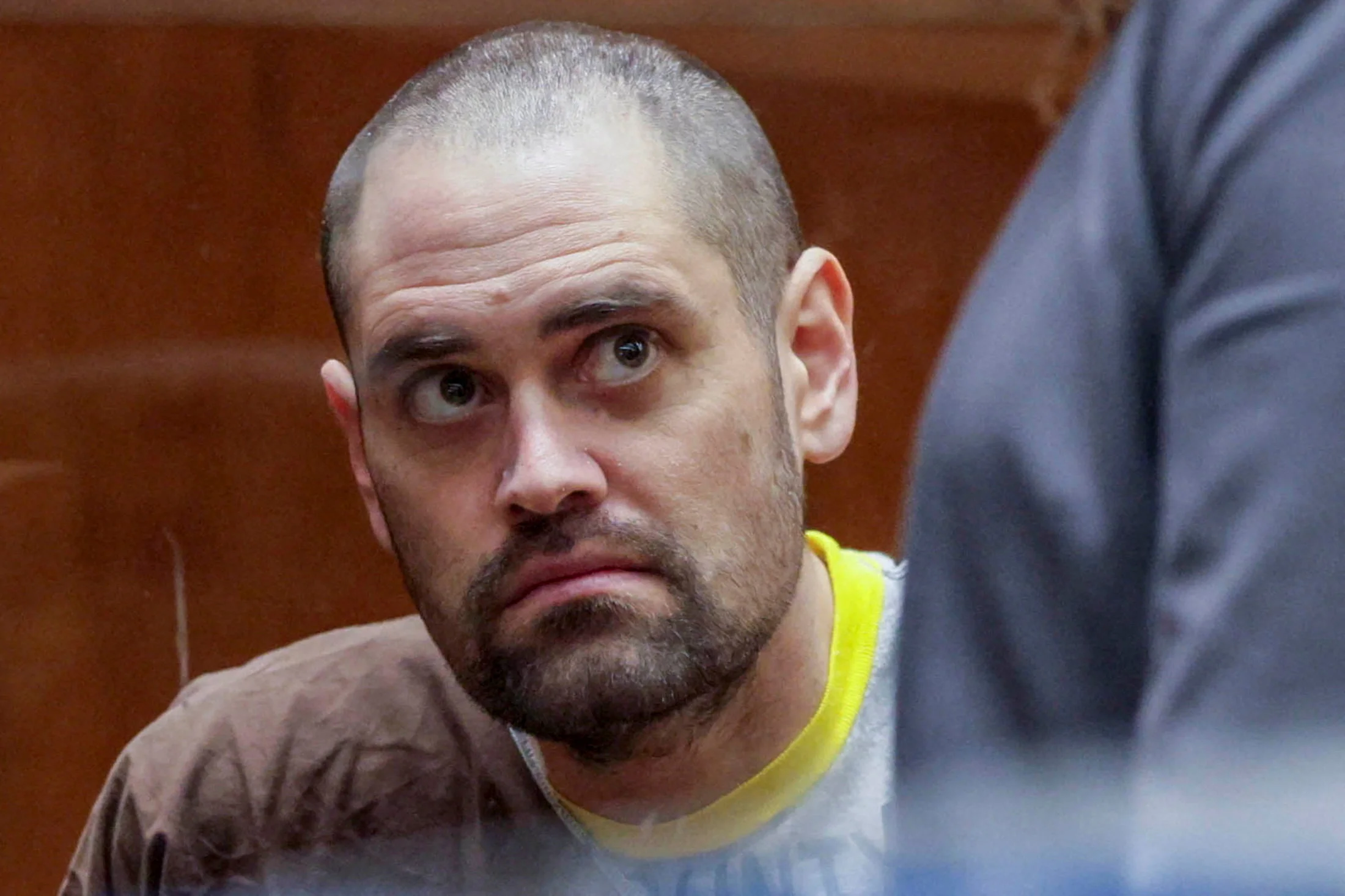
The unsettling case surrounding Nick Reiner, the son of renowned actor and director Rob Reiner, has taken a troubling turn. Allegations have surfaced that he may have meticulously plotted against his own parents, Rob and Michele Reiner. Reports suggest that Nick executed a "surprise attack" after a period of deliberate observation. This development raises significant questions about his mental state and the premeditated nature of the horrific actions he is accused of.
In a recent indictment, Nick faces a chilling charge of "lying in wait," a legal term indicating that he allegedly spent time concealing his intentions before launching a fatal assault. Celebrity criminal defense attorney Seth J. Zuckerman, who is not connected to the case but offers expertise, commented on the implications of this charge. He highlighted that for a "lying in wait" accusation to hold, prosecutors must provide compelling evidence—surveillance footage, text messages, or testimony—that proves Nick planned this assault with forethought, further complicating any potential defense based on insanity.
Zuckerman's insights delve deeper into the differences between premeditated murder—which focuses on the intent prior to the act—and lying in wait, suggesting a level of calculated malevolence. He noted that for a conviction on this charge, it must be shown that Nick not only contemplated the act but also prepared to execute it, indicating a chilling level of intent not typical to a sudden outburst of violence.
This situation becomes even more precarious for the defense, as the prospect of an insanity plea now faces substantial challenges. By proving "lying in wait," the prosecution effectively counters arguments that Nick acted impulsively, framing his actions instead as calculated and premeditated. This nuanced distinction can weigh heavily on the possibility of his facing the death penalty or life without parole, given California’s legal standards regarding murder charges.
As the case unfolds, Los Angeles County District Attorney Nathan J. Hochman expressed the emotional gravity of the situation, describing the allegations as a profound betrayal from someone once loved and trusted. He emphasized the hope that progress through the legal system will lead to justice for the victims. This case isn't just about the tragic deaths of two individuals; it's a distressing glimpse into the depths of familial betrayal and the complexities of mental health in the realm of criminal law.
Potential Implications of the Charges
The new charge significantly alters the landscape of the defense strategy. Nick's history of battling addiction and mental health issues complicates the situation further. Zuckerman suggested that if evidence is found to support the accusation of waiting in ambush, it could essentially negate a defense based on mental instability.
By suggesting that Nick ambushed his parents as they returned home—a scenario described as a surprise attack—this paints a grim picture of calculated actions rather than a moment of uncontrollable aggression. This stark shift in narrative not only shapes the case’s trajectory but also influences public perception and the legal consequences Nick might ultimately face.
In the wake of these serious allegations, it remains to be seen how the unfolding details will impact the charged atmosphere surrounding this case, both in the courtroom and beyond. As court proceedings move forward, they will certainly draw significant media attention, revealing further layers behind this tragic family story.
The stakes are high, and the future of Nick Reiner lies in a delicate balance among legal arguments, evidence presentation, and the pursuit of justice for his parents.
Unraveling the Future of the Case Against Nick Reiner
The case against Nick Reiner is a chilling one, not only due to the tragic loss of his parents but also because of the gravity of the allegations. Nick, now 32, has pleaded not guilty to two counts of murder, with the added complexity of a special allegation stating he “personally used a dangerous and deadly weapon, a knife.” This detail suggests a calculated and violent act that raises the stakes significantly should he be convicted.
What’s particularly notable here is that the legal roadmap ahead contains uncertainties that could affect the outcome. As of now, it remains to be seen whether Nick will invoke an insanity defense. This strategy, if pursued, could provide a radically different narrative in court and potentially shift the focus from guilt or innocence to mental health issues. His next pretrial hearing is scheduled for September 15, marking a critical checkpoint that could set the tone for how the rest of this tragic story unfolds.
The circumstances surrounding the alleged crime are harrowing. Nicholas is accused of fatally stabbing his parents in their Brentwood home, a crime that has understandably garnered widespread media attention. With his father, renowned director Rob Reiner, and his mother Michele no longer alive to provide context, the narrative becomes even more convoluted. It's worth pondering how much the public's perception of this case will be colored by the family's stature in Hollywood.
Should the process continue towards a conviction, the consequences are severe. Nick could face either the death penalty or life imprisonment without the possibility of parole, an outcome that underscores the seriousness of the charges at hand.
The implications are enormous—not just for Nick, but for the broader conversation regarding mental health and crime. If you’re keeping an eye on this case, the stakes are high, and the potential for legal and societal ramifications is profound. The interaction between family dynamics, mental health, and the justice system has never been more apparent, and how this particular case is resolved could influence future discussions in both media and legal forums.
For anyone touched by this narrative, whether directly or indirectly, it’s a stark reminder of the complexities involved in cases of familial violence and the pressing need for compassionate support systems. If you or someone you know is in need of help, resources are available via SAMHSA’s National Helpline at 1-800-662-HELP (4357).
Discussion
Sign in to join the discussion.