Hannah Cole's latest single "Mechanical Bull" explores the challenges of navigating a music career alongside her partner and the struggle for identity.
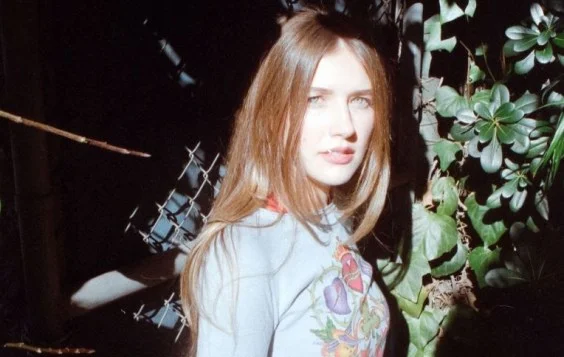
Exploring Identity and Control
Hannah Cole, a Nashville-based artist, continues to build momentum ahead of her debut album Switchbacks with the release of her latest single, "Mechanical Bull." This gritty track dives into the emotional complexities of pursuing a music career in the shadow of her partner. Nashville, often dubbed the heart of country music, has a reputation for fostering both creative brilliance and the challenges that come with working in a competitive, male-dominated environment. As women artists navigate this space, they often confront stereotypes and biases that can misrepresent their contributions.
Thematic Depth
At first glance, Cole's song might seem like a straightforward lament about the trials of being a female artist. But there's so much more. The metaphor of riding a mechanical bull serves as a powerful symbol of control—or lack thereof. The imagery evokes the idea of being bucked around, helpless in the face of greater forces, which resonates deeply with many artists facing industry pressures. In a world where songwriters and performers are often pitted against each other for visibility, the struggle for agency becomes palpable through her lyrics.
A Personal Perspective
In Cole's words, "Mechanical Bull" reflects her frustration with being perceived as just an accessory in a male-dominated industry. She emphasizes the importance of collaboration with her partner as both a creative outlet and a way to reclaim her narrative. This desire for independence isn't just a personal quest; it mirrors the experiences of countless women striving to carve out their own identities within the industry. It's significant because the music business has historically sidelined female voices, often relegating them to roles that support rather than lead. Cole seems determined to change that narrative.
The lyrics narrate a vivid scene at an industry party, illustrating her shift from feeling like a bull to a rider, only to realize that someone else has been steering her direction all along. This internal conflict highlights a broader issue that female artists frequently face: navigating relationships in an environment where male artists often receive more attention and accolades. You can easily picture the scene Cole describes—the flashing lights, the buzz of conversation, and the subtle cues that can either uplift or diminish one's spirit. What this means for you and me is that her story serves as a rallying cry for all who feel marginalized.
Industry Context and Challenges
While Cole's struggles may feel personal, they also underscore systemic issues within the industry itself. Women in music often find their narratives constrained, a pattern evident across genres, from pop to country. The stark reality is that while women comprise a significant portion of music listeners, they still receive less radio play and fewer opportunities for headlining spots at major festivals. This disconnect raises questions about how the industry values female voices and highlights the ongoing need for change.
Look back through the history of Nashville, and you’ll find a rich tapestry of female artists who have faced similar hurdles. Legends like Loretta Lynn and Dolly Parton paved the way but were not without their struggles concerning industry recognition and respect. Their legacies highlight how the fight for equality in music isn’t new; it’s a narrative woven into the fabric of this city and its music scene. Each new artist like Cole represents another chapter in this ongoing story of resilience and talent.
Reception and Future Implications
As "Mechanical Bull" makes its way to listeners, the song's reception could signal a shift in how audiences respond to female narratives in music. If the feedback on this track is positive, it might encourage more labels and producers to look for female-driven projects and give women a seat at the creative table. The implications are significant: more authentic stories can emerge from the sidelines, which may eventually reshape the industry’s perception of artistry.
(and this is the part most people overlook) The very act of sharing her story can inspire other female artists to speak out about their experiences. It creates a ripple effect that could challenge the status quo. And yet, even in changing tides, one must wonder if it’s enough. Can a single song spark institutional change? If you’re working in this space, you know the answer isn’t straightforward.
A Poignant Commentary
The thematic exploration in "Mechanical Bull" underscores the contrasting feelings of empowerment and frustration, making the track more than just a song—it’s a poignant commentary on Cole’s journey in the music industry. These emotional complexities resonate beyond the audio experience; they encourage dialogue about gender dynamics, industry power structures, and the potential for broader representation.
This isn't just a personal anthem; it taps into an evolving discourse on what it means to be a female artist today. Cole's work can be viewed as a critique of an industry still grappling with issues of gender inequality. As her debut album Switchbacks nears release, one can only hope her message resonates with broader audiences, igniting conversations about change that extend well beyond the confines of Nashville's famed Music Row.
Looking Ahead
As Hannah Cole builds her artistic identity, the outcomes from her current efforts can lead to significant implications not just for herself but for countless aspiring women artists. Continued exposure to her music will play a role in shaping audience perceptions and perhaps inspire others to tell their own stories. If they do, we might witness an industry shift in tone, pushing closely-held stereotypes and biases toward obsolescence. This is more significant than it looks; it marks the beginning of a much-needed reckoning in music culture.
Ultimately, as Cole rides the wave of her career, she has an opportunity to influence not just her path but also those of countless others following in her wake. This moment is all about reclaiming control—a sentiment that resonates deeply in the hearts of many and suggests that the fight for representation in the music industry is far from over.
Discussion
Sign in to join the discussion.