Explore a curated selection of over 100 new titles this July, offering compelling narratives and thoughtful essays for every reader's taste.
July
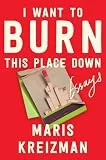
Take a look at some standout titles available this month: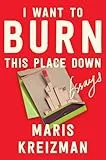 I Want to Burn This Place Down by **Maris Kreizman** (Ecco) dives into the millennial psyche with a blend of humor and insight, reflecting an unmistakable passion for literature. Kreizman's debut essay collection is one to watch. —Sophia M. Stewart
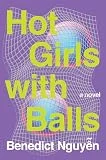 For those craving something playful yet provocative, **Benedict Nguyễn’s** debut titled Hot Girls with Balls (Catapult) offers a unique twist. This romantic satire follows two Asian American trans women as they ambitiously aim to join a men's indoor volleyball league. —SMS
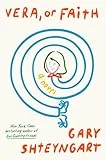 Another noteworthy mention is **Gary Shteyngart’s** Vera, or Faith (Random House), which tells the poignant story of a young girl in search of her birth mother amidst family turmoil and the quest for enduring love. This latest narrative promises to engage readers. —Eva M. Baron
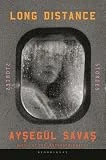 For those interested in pressing social themes, **Ayşegül Savaş’s** Long Distance (Bloomsbury) presents an evocative collection of stories that explore contemporary issues through the lens of desire and intimacy. It's a follow-up to her critically acclaimed work, The Anthropologists. —SMS
These titles just scratch the surface of what’s on the horizon this July. Whether you’re after compelling tales or thoughtful essays, the reading list is rich enough to satisfy your sunny day cravings. Don’t let the season slip by without finding a new favorite—these authors are ready to deliver unforgettable experiences.
For those interested in pressing social themes, **Ayşegül Savaş’s** Long Distance (Bloomsbury) presents an evocative collection of stories that explore contemporary issues through the lens of desire and intimacy. It's a follow-up to her critically acclaimed work, The Anthropologists. —SMS
These titles just scratch the surface of what’s on the horizon this July. Whether you’re after compelling tales or thoughtful essays, the reading list is rich enough to satisfy your sunny day cravings. Don’t let the season slip by without finding a new favorite—these authors are ready to deliver unforgettable experiences.Current Titles
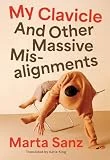 My Clavicle and Other Massive Misalignments by Marta Sanz. Translated by Katie King (Unnamed). This is Sanz’s first English-language work, blending personal narrative with poetic insights about the human experience, making it a compelling read for those drawn to introspective memoirs and enigmatic tales. —SLS
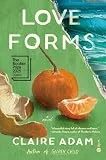 Love Forms by Claire Adam (Hogarth). Adam’s narrative is a potent exploration of an elderly woman’s journey to reconnect with the daughter she relinquished at 16. Aside from its poignant themes of love and loss, it builds on the success of her earlier work, Golden Child. —SLS
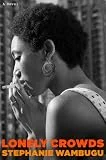 Lonely Crowds by Stephanie Wambugu (Little, Brown). This debut novel immerses readers in the competitive atmosphere of New York's art scene in the 1990s, framed through the intense friendship of two determined women. Wambugu's narrative is not just about ambition; it captures the intricate dynamics of female relationships against a backdrop of artistic ambition. —EMB
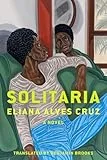 Solitaria by Eliana Alves Cruz, translated by Benjamin Brooks (Astra House). This novel follows a mother and daughter working as maids in a luxurious building in Brazil. Their experiences challenge broader societal issues, exploring themes of invisibility and a history of colonial exploitation. It’s a timely reminder of how personal stories reflect deeper societal scars. —EMB
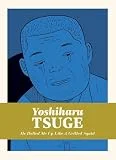 He Rolled Me Up Like a Grilled Squid by Yoshiharu Tsuge, translated by Ryan Holmberg (D&Q). At 80, Tsuge reflects on his tumultuous career that marked him as a cult figure in manga. This collection captures the eerie blend of personal turmoil and surreal narratives, showcasing works from his most fruitful creative period. —NodB
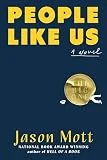 People Like Us by Jason Mott (Dutton). Following the success of his award-winning Hell of a Book, Mott returns with a surreal tale that confronts the challenging issues of loss, desire, and the shadow of gun violence faced by two Black writers. Readers seeking depth within the harsh realities of contemporary life will find this narrative gripping. —EMB
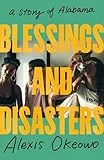 Blessings and Disasters by Alexis Okeowo (Holt). Okeowo's narrative stitches together stories from her home state of Alabama with an insightful examination of deep-rooted racial tensions. While her journalistic precision is impressive, it’s her empathetic portrayal of her subjects that truly makes this work exceptional. —SLS
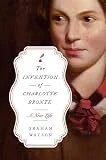 The Invention of Charlotte Brontë by Graham Watson (Pegasus). This biography dissects the storied ascent of Brontë, offering a nuanced look at the complexities surrounding her legacy while engaging with the literary circles that shaped her writing. —SMS
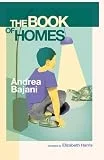 The Book of Homes by Andrea Bajani, translated by Elizabeth Harris (Deep Vellum). Bajani constructs a intricate tapestry of memories that span decades, reflecting on the concept of home through a nonlinear narrative style, unearthing both the mundane and the profound. —NodB
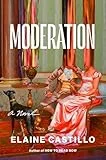 Moderation by Elaine Castillo (Viking). In this novel, Castillo dives into the intersection of the digital and romantic, exploring how modern relationships evolve in an increasingly virtual climate. An intriguing premise that resonates with anyone navigating today's online interactions. —EMB
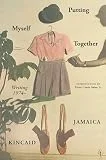 Putting Myself Together by Jamaica Kincaid (FSG). This extensive collection encapsulates Kincaid's evolution as a writer, featuring her earlier works from notable outlets. It serves as a testament to her stylistic prowess and the breadth of her voice over time. —EMB
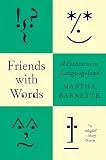 Friends with Words by Martha Barnette (Abrams). As a fan of Barnette’s work, particularly A Way with Words, I eagerly anticipate her reflections on language and its profound impact on her life. This promises to be a heartfelt tribute to her lifelong love for words. —SMS
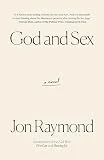 God and Sex by Jon Raymond (S&S). In a novel that skillfully fuses themes of environmental crisis with spiritual inquiry and sensory experiences, Raymond examines an author's journey through unexpected challenges, prompting a deeper search for meaning in chaotic times. —EMB
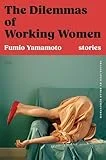 The Dilemmas of Working Women by Fumio Yamamoto, translated by Brian Bergstrom (HarperVia). This collection brings to light the struggles of five women in modern Japan, showcasing their defiance against societal expectations. Yamamoto’s characters provide an important critique of the pressures facing women and the resultant quest for personal identity. —SLS
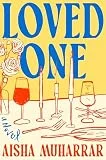 Loved One by Aisha Muharrar (Viking). A seasoned TV writer, Muharrar steps into the literary arena to share a poignant tale of a young woman coping with the sudden loss of a friend. It’s a heartfelt examination of grief and the journey through personal recovery that many will resonate with. —SMS
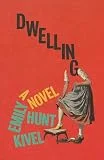 Dwelling by Emily Hunt Kivel (FSG). Kivel’s debut intertwines the realities of housing insecurity with a fantastical twist, creating a narrative that feels both urgent and whimsical. As societal crises unfold, Kivel’s story serves as a critique on the housing dynamics of our time. —EMB
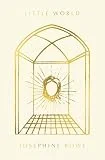 Little World by Josephine Rowe (Transit). In a lyrical exploration, Rowe links diverse lives around a child saint’s corpse, creating a narrative rich in depth and complexity. This intriguing story blurs the lines between reality and the mystical, pulling readers into its embrace. —SLS
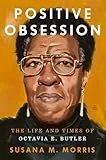 Positive Obsession by Susana M. Morris (Amistad). This biography of Octavia Butler captures her trailblazing role in science fiction as the first Black woman to gain widespread recognition in the genre, diving into the context that shaped her groundbreaking work and the cultural implications of her legacy. —EMB
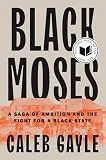 Black Moses by Caleb Gayle (Riverhead). Gayle’s nonfiction work is a compelling look back on a forgotten chapter of Black separatist history in America. Balancing a sweeping narrative with deep character studies, this book invites readers to engage with complex racial dynamics in a new light. —SLS
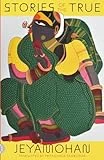 Stories of the True by Jeyamohan, translated by Priyamvada Ramkumar (FSG). These vivid narratives delve into contemporary Indian life with an unflinching eye, portraying a myriad of characters from different walks of life while tackling societal issues head-on. —EMB
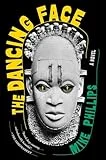 The Dancing Face by Mike Phillips (Melville House). Phillips crafts a thrilling narrative that intertwines art theft with pressing questions about cultural heritage, as his protagonist seeks to "liberate" a valuable piece of history. It’s a timely discourse on the responsibilities of art institutions today. —EMB
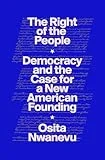 The Right of the People by Osita Nwanevu (Random House). In this critical examination of America's political landscape, Nwanevu addresses the foundational issues threatening democratic processes. His insights are especially relevant for those who feel sidelined in the current discourse. —SLS
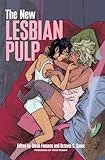 The New Lesbian Pulp, edited by Sarah Fonseca and Octavia Saenz (Feminist Press). This vibrant anthology revives and reinterprets the classic tropes of 1950s lesbian pulp fiction, amplifying themes of romance, heartbreak, and vengeance with a contemporary twist. —Claire Kirch
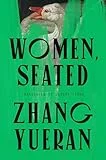 Women, Seated by Zhang Yueran, translated by Jeremy Tiang (Riverhead). This gripping translation reveals the unraveling of a wealthy family's fortunes through the eyes of a nanny, highlighting her struggles while harboring their darkest secrets. It’s a compelling commentary on social inequities. —EMB
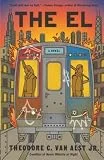 The El by Theodore C. Van Alst Jr. (Vintage). Drawing inspiration from Sol Yurick's The Warriors, this semi-autobiographical novel tracks a group of teenagers in Chicago navigating their lives amidst gang culture, engaging with themes of identity and community. —SMS
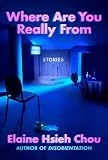 Where Are You Really From by Elaine Hsieh Chou (Penguin Press). Chou's collection of stories weaves together various characters grappling with identity and belonging. The fantastical elements add layers to their journeys, making this a compelling read for those reflecting on their own sense of place. —CK
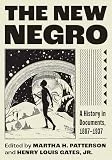 The New Negro, edited by Martha H. Patterson and Henry Louis Gates Jr. (Princeton UP). This anthology is an essential collection showcasing the thoughts and debates among Black intellectuals from 1887 to 1937 regarding identity and the notion of the "New Negro." It enriches our understanding of this pivotal historical era. —SMS
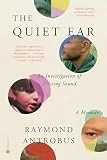 The Quiet Ear by Raymond Antrobus (Hogarth). In this introspective memoir, Antrobus confronts his relationship with deafness, using it as a lens to examine the nuances of sound and silence that dominated his experiences. It's an insightful exploration of identity and belonging. —SMS
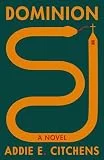 Dominion by Addie E. Citchens (FSG). Citchens’ debut digs into the grit of familial relationships within a Southern backdrop, tackling heavy themes of sin and patriarchal silence. It suggests a contemplation of deeply rooted cultural issues through the personal lens of family drama. —SMS
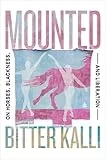 Mounted by Bitter Kalli (HarperOne). This novel engages with complex themes of race, identity, and belonging as the author explores the intricacies of contemporary lives shaped by societal pressures. It promises a fresh perspective that will spark important conversations. —Kalli
Discussion
Sign in to join the discussion.