Tucker Pillsbury, known as Role Model, shares his regrets over a poorly executed Olivia Rodrigo cover while contemplating a name change.
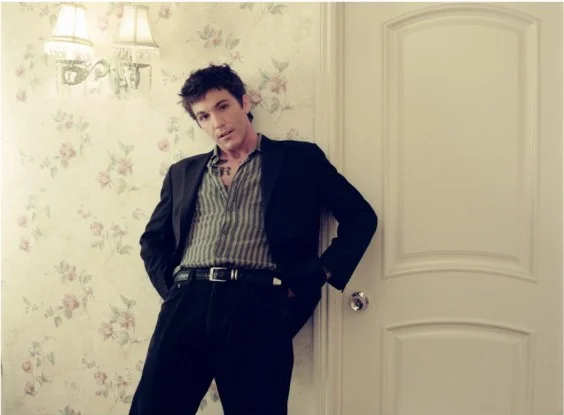
Role Model's Honest Take on His Cover Attempt
Tucker Pillsbury, better known by his stage name Role Model, represents a new generation of artists emerging in the alt-pop scene. Hailing from the picturesque state of Maine, Pillsbury has managed to carve out a niche for himself with a sound that blends emotional lyricism and catchy melodies. His performances have gained visibility thanks to platforms like Saturday Night Live, where he made a memorable impression alongside pop-icon Charli XCX last year. These high-profile appearances certainly elevate an artist's profile, yet the reception to his live performances has been mixed; some critics have noted a lack of polish that could undermine his burgeoning reputation.
Regret Over Olivia Rodrigo Cover
In a recent turn of events, Pillsbury openly reflected on a particular instance that has since haunted him: his cover of an Olivia Rodrigo song. This isn’t just any cover; it’s a critical moment that encapsulates the pressure many artists feel when attempting to reinterpret tracks from their contemporaries. Rodrigo, known for her raw, emotionally charged songwriting, sets a high bar, and when someone of Role Model’s stature takes on her work, expectations skyrocket. This candid admission reveals a vulnerability in an industry that often celebrates bravado over humility.
While sharing his regret about that performance, Pillsbury has even entertained the idea of changing his stage name, suggesting a desire for reinvention amidst the landscape of pop music. In an industry where branding and image play a significant role in success, this shift could signal a need for him to redefine not just his public persona but also his artistic direction. The reality of name changes in the music industry isn’t uncommon; it often symbolizes a turning point or a fresh start. Still, such actions aren't always well-received by fans who become accustomed to an artist's initial image and sound.
Here’s the thing: the decision to change a name can reflect deeper issues than just aesthetic preferences. It often underscores the struggles artists face in maintaining authenticity while trying to navigate the expectations set by both the industry and, of course, their fan base.
The Significance of Covers in Music Culture
Covers have long been a staple in the music industry. They serve not only as a way for artists to pay homage to their influences but also a means to reach new audiences. However, choosing a song to cover can be a double-edged sword. If the rendition misses the mark, it leaves the artist vulnerable to criticism. In the eyes of fans and critics alike, these performances are often viewed through a magnifying glass—every note, every phrasing dissected. This speaks volumes about the high-stakes nature of artistic expression in the public realm.
Past incidents with other artists illustrate this pressure. When renowned musicians like Chris Cornell covered "Billie Jean" by Michael Jackson, the reception was mixed; some hailed it as a brilliant reinterpretation, while others felt it paled in comparison to the original. This type of scrutiny is not uncommon. It reflects a broader tension within the music community between artistic freedom and the expectations of originality. In Role Model’s case, that downside seems fresh, especially considering his relatively new status in the industry.
Implications for Role Model's Future
The fallout from this cover misstep could shape Role Model’s trajectory in several ways. If you're working in this space, it’s vital to recognize that how artists manage their public personas can alter fan engagement and career sustainability. On one hand, admitting failure can humanize an artist, building a deeper connection with fans who appreciate sincerity. On the other, a poorly received performance can linger and overshadow future accomplishments if not addressed appropriately.
This situation also poses a question about artistry and self-identity. As Pillsbury contemplates a name change, he might explore the implications of shedding his current label—is this an attempt to escape criticism or an authentic response to his personal and artistic growth? (And this is the part most people overlook.) Artists often grapple with the past while attempting to forge forward. The idea of starting anew can be quite appealing, but it also runs the risk of alienating established fans.
Looking ahead, Role Model’s exploration of his sound and identity—whether through new music, live performances, or a potential name change—will be critical as he continues navigating the complexities of being an artist in today's multifaceted music industry. Fans and critics alike will undoubtedly be watching closely to see how he evolves from this moment, which, while difficult, could become a transformative chapter in his career.
Discussion
Sign in to join the discussion.