Yung Lean's new cover of Robyn's "Robotboy" provokes mixed feelings, especially after a recent lackluster commercial cover of "Dancing On My Own."
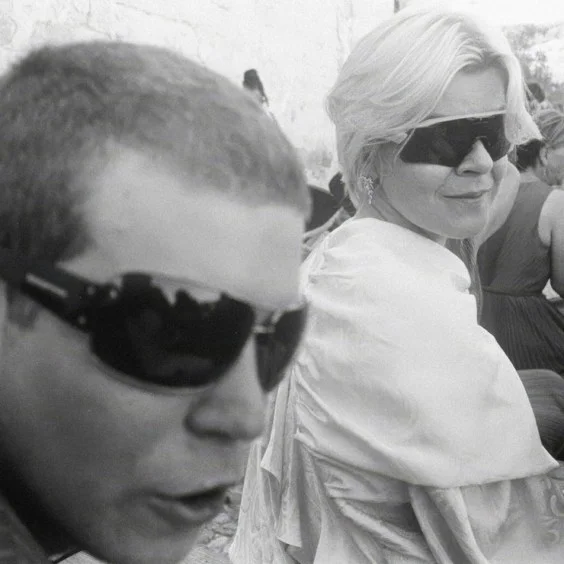
Yung Lean's Take on "Robotboy"
Covering a beloved track like Robyn's "Robotboy" invites both anticipation and skepticism. Yung Lean steps into this challenge, and amidst the wave of pop reinterpretations, opinions are decidedly split. The artist's approach to the song could evoke nostalgia or simply highlight the dangers of modern remakes. This isn’t Yung Lean’s first foray into covers; however, "Robotboy" presents a unique set of challenges, given its iconic status within contemporary pop music.
Robyn, a figure celebrated for her emotional depth and innovative approach to pop music, crafted "Robotboy" to speak to themes of love, loss, and longing. Lean's choice to cover this song suggests he recognizes its significance and the stakes involved. He could be aiming to bridge his own artistic vision with Robyn's rich soundscape. But can he do justice to a song that resonates so deeply with many listeners?
The Weight of Expectation
The pop music scene today is dominated by a slew of covers and reinterpretations, and this has become a double-edged sword. On one hand, artists like Lean have the platform to reach new audiences by reimagining popular tracks. On the other hand, these reinterpretations can often leave a sour taste if they miss the mark. Lean's task is even more daunting considering the backlash against recent notable covers, such as Malcolm Todd's rendition of "Dancing On My Own" for a Gap commercial. In that case, Todd's attempt felt more like an attempt to sell merchandise than to convey genuine artistic emotion. The skepticism surrounding his cover underscores how thin the line can be between tribute and travesty.
This backdrop surely adds pressure on Yung Lean, as fans hope his version will transcend this recent disappointment. While the music industry thrives on nostalgia, it also demands innovation. Lean has built a reputation for emotive lyrics and a unique sound, blending elements of hip-hop and cloud rap. Fans are undoubtedly curious if he can bring something fresh to "Robotboy" while honoring its original spirit. If you're working in this space, balancing reverence and reinvention is no small feat.
A Mixed Bag of Reactions
Response to Lean's cover has been varied; some listeners have hailed it as a new interpretation, while others believe it falls short of capturing the essence of the original. In the musical landscape where covers can birth new fan bases or worse, alienate existing ones, engagement metrics can be quite revealing. Social media has played a crucial role in gauging public opinion. Reactions on platforms like Twitter and Instagram often reflect a mix of excitement and hesitancy, revealing how personal connections to a song can cloud judgment. As fans express their thoughts online, it’s clear that Lean’s cover will be judged not just on its merit but also against the weight of nostalgia and past disappointments.
Yung Lean’s distinctive style marks a notable shift from Robyn’s synth-pop roots. Lean incorporates a more subdued, atmospheric vibe that could either breathe new life into "Robotboy" or risk diluting its emotional core. Listeners have come to expect a particular sound from Lean, and if his cover strays too far from the original’s essence, it may face harsh criticism. Still, this creative leap could be seen as a bold statement, one that illustrates Lean's confidence in his artistic voice.
In light of recent flops in the cover scene, the anticipation surrounding Lean's effort comes with its share of skepticism. The music community is quick to judge, and as seen with Todd's performance, bad covers can lead to a complete overhaul of how audiences receive not only the artist but the song itself. The stakes are high when tampering with a classic, and the results can ripple throughout an artist's career.
The Stakes of Artistic Interpretation
Interpreting an established piece requires not just talent but a strategic vision. Artists must grapple with the expectations set by the original work and the contemporary cultural context in which they operate. That said, the essence of an artist should shine through their versions, inviting new perspectives while respecting the legacy of their predecessors. This balancing act is pivotal in determining whether a cover will breathe fresh air into a song or suffocate its legacy.
What this means for you, as a listener, is that the emotional weight of Lean's cover hinges on how well he navigates this minefield of expectations. Unlike most current pop songs that float by on superficiality, Robyn's original has layers that resonate with various audiences. Lean's success rests not just on his vocal prowess but on his ability to connect with these layers in a new light. A failure to do so could undermine his standing as an artist who takes big risks but also generates meaningful dialogue through his music.
Future Outlook and Industry Implications
The implications of Lean's cover stretch beyond mere fan reactions. If successful, it could open doors for similar artists to explore covers of other classic tracks, effectively redesigning a space that often feels saturated with original material. This could spark a renewed interest in reinterpretations, where artists challenge themselves and reshape existing narratives. And yet, if the reception is lukewarm, it may deter others from attempting the same path, fearing ridicule or backlash.
As the music industry grapples with notions of originality versus inspiration, Lean's foray into "Robotboy" will serve as a bellwether for future covers. The pitfalls evident in recent years highlight a critical need for artists to tread cautiously but also boldly carve their niche. If Lean manages to resonate authentically with listeners, he will not only revive interest in Robyn’s work but also potentially set a precedent for future interpretations. The performance will likely be dissected and debated for months, underscoring the complex relationship between artists, their influences, and the legacy of the music that shaped them.
Ultimately, the scrutiny surrounding Lean's cover is indicative of broader trends in music today. The tension between innovation and reverence isn’t fading. Depending on how he navigates this intricate dance, Yung Lean could either ignite a resurgence of sincere artistic reinterpretation or reinforce a cautious approach to covering classics for many artists to come.
Discussion
Sign in to join the discussion.