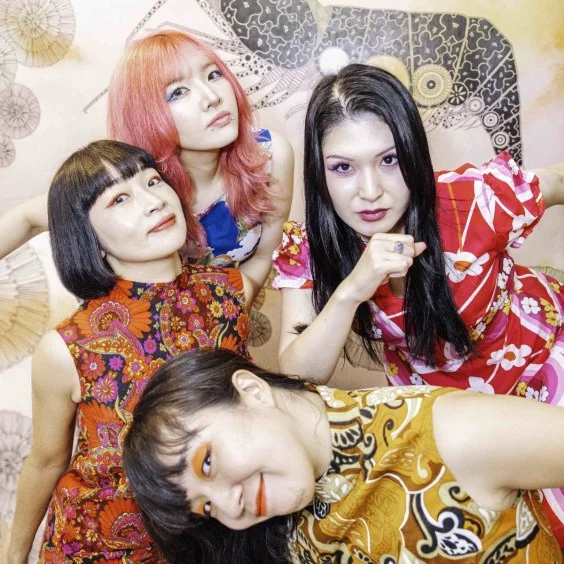
Otoboke Beaver has issued a heartfelt apology following an incident where a tossed guitar injured a fan at their Osaka concert.
The Unpredictable Nature of Live Performances
Concerts have always been a melting pot of emotions, energy, and sometimes, unforeseen events. The unpredictability of live performances often adds to their allure. But when things take a sharp turn, as we've seen with Otoboke Beaver's recent show, it underlines the complexities of organized entertainment. Audiences crave immersive experiences, yet they walk a fine line between excitement and safety. The stakes are high, especially for high-energy performers like Otoboke Beaver, who are known for their captivating stage presence.
A Surprising Incident at Umeda Club Quattro
During a recent concert at Osaka's Umeda Club Quattro, Otoboke Beaver, a punk band famed for their frenetic performances, faced an unsettling incident. They celebrated not just their art but also the release of their EP, Is The New Album Out Yet?, which typically symbolizes excitement both for the band and fans alike. However, a moment of thrill turned into a moment of distress when Yoyoyoshie, the guitarist, threw her instrument—a common practice during their energetic performances. This time, however, it struck a fan, resulting in injuries that were anything but trivial.
The Band's Response and Public Apology
Otoboke Beaver publicly acknowledged the incident in a statement that underscored the gravity of the situation. They offered a heartfelt apology, which, while a standard procedure in such crises, is often viewed with a degree of skepticism. “To the person who was injured in the accident, we accept the incident seriously and deeply apologize,” they stated. The mention of specific injuries—seven stitches to the forehead and sprains—emphasizes not only the severity of the incident but also the band's attempts to humanize their response. That said, while the apology may seem genuine, one could argue it raises questions about the band’s safety protocols during live shows.
Delay in their statement also adds a layer of complexity to their apology. In an environment where immediacy is often expected, the band's slower response might lead audiences to wonder if they underestimated the incident’s seriousness. When injuries occur, especially those that draw blood, waiting to address the issue can appear reckless. In the world of punk rock, this incident showcases the dual role of performers: as entertainers and as caretakers of their audience’s safety.
Addressing Accountability and Moving Forward
The band's insistence on learning from this unfortunate event is a vital aspect of their public relations strategy. They made it clear that they've taken a step back to assess the impact of what happened, not just on the injured fan but also on their own internal community. The statement concluded with a promise to act with greater care and responsible decision-making in future shows. However, the question remains—how will they enforce this commitment? More stringent safety measures could be needed to prevent similar incidents from occurring, especially in high-energy environments where unexpected behaviors are commonplace.
This isn't just a simple matter of apology; the consequences of such incidents typically extend beyond the injured party. If you're working in this space, the potential ramifications could include decreased attendance at future shows, challenges in media portrayals, and a painful reflection on an artist's relationship with their fans. For the band, regaining trust is paramount, not just for their image but for the future of their live performances.
The Bigger Picture: Safety vs. Performance
This incident raises fundamental questions about the intersection of safety and performance in the music industry. Fans often expect a level of chaos during punk rock concerts, where crowd surfing, stage diving, and other wild antics are par for the course. But as we see here, the line between exhilarating and dangerous can blur rapidly. It's an issue promoters and bands alike can't afford to overlook. Given the rise of online scrutiny and social media, any misstep can lead to swift backlash. (And this is the part most people overlook.)
The reality is that while artists have a commitment to their craft, they also have a duty to protect their audience. Balancing these priorities requires clear communication channels, safety measures, and perhaps even pre-concert warnings about what could unfold. Given Otoboke Beaver’s vocal understanding of their responsibility, this incident should serve as a cautionary tale for many in the industry.
Implications for the Music Industry
What this all means for the music industry is manifold. With rising concern about fan safety across the board, we might see increased scrutiny on live performances. Similar incidents have already prompted discussions on liability insurance, safety training for performers, and even fan behavior codes at concerts. If audience members start to feel that their safety isn’t prioritized, ticket sales could suffer, leading to a significant downturn in revenue for bands and venues alike. In a post-pandemic world, where live performances are still being redefined, this is a critical point of consideration.
As Otoboke Beaver proceeds from this incident, it will be crucial to observe how their policies evolve. Whether this becomes a catalyst for broader industry change is uncertain, but it certainly highlights the themes of accountability, fan interaction, and the inherent risks associated with live performances. This incident is more significant than it looks. It serves as a reminder that the music industry needs to prioritize both entertainment and safety.
Stay updated with the latest music stories and reactions as the industry navigates this challenging incident.
Discussion
Sign in to join the discussion.