Hermione Lee explores the nuances of biography writing, addressing the complexities of portraying lives and the secrets behind great literary figures.
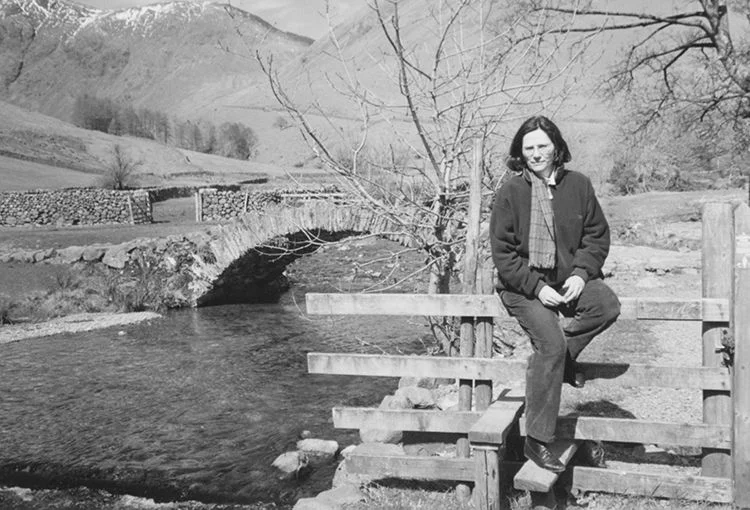
Redefining Literary Biographies
Hermione Lee's exploration of literary biographies offers a captivating lens into how lives are crafted on the page. In a recent interview with Louisa Thomas for The Paris Review, Lee dives into the complexities that shape our understanding of celebrated authors. She poses essential questions: What defines a life? How do we discern achievement amidst various circumstances? And when failure strikes, do we instinctively seek a scapegoat? These inquiries are not mere intellectual exercises; they are foundational to grasping the nuances of any biography.
A Meta-Narrative of Lives
There's a meta-narrative in Lee's work, highlighting her journey through the lives of literary greats from an artistic perspective. Crafting biographies transforms into an exploration of their profound influences and peculiarities. The genre is known for harnessing odd details—like discovering James Joyce mimicking a baby's expressions or accompanying Tolstoy during his eccentric dietary regimens, such as his 'horse yogurt' phase. Lee’s narratives don’t shy away from these quirky moments, enriching the text with delightful absurdities. This fusion of personal anecdotes with literary analysis offers readers a multi-dimensional view of these authors, one that blends their public personas with their private lives.
An Analytical Approach
Lee’s biographies are characterized by a meticulous blend of original research and incisive interpretations of each writer's work. Her thoroughness shines in titles like Penelope Fitzgerald and Virginia Woolf, where every page feels like a fresh discovery. It's more than just recounting events; she manages to revisit and reinterpret both the authors' words and the essence of their lives. This dedication to detail makes her works indispensable for anyone truly interested in understanding these authors in a deeper sense. For scholars and casual readers alike, her approach creates an immersive reading experience that fosters a connection with the subjects.
The Unspoken Truths
Noteworthy is her discussion on the hidden components within a biography—the unspoken truths and personal fabrications that shape the portrayal of a life. Lee, often reticent about her own biography, and Thomas engage in a compelling conversation about the elements that go unsaid. How do lies and secrets color the depiction of someone’s life? What this means for you is a greater understanding of biography as not just storytelling, but a complex interplay of narrative construction and personal truth. This interplay complicates the task for writers aiming to maintain authenticity while addressing the inevitable biases that influence perception.
Authenticity and Emotional Resonance
This exchange highlights the formidable challenges biographers face when striving for authenticity. Lee’s insights suggest that biography is rarely a neutral endeavor. Emotions significantly sway interpretations; strong feelings can either forge connections or elicit vehement critiques of certain figures. For instance, luminaries like Virginia Woolf and Sylvia Plath risk falling into sentimental traps, where emotional nuances dramatically alter how their lives are depicted. That leads to one pressing question: If emotion can distort reality, how do biographers navigate the pitfalls of sentimentality while striving for honest portrayal?
The Moral Dimensions of Biography
As Lee articulates, the simplicity of conventional narratives can make biographies feel like rescue missions. For example, when exploring the life of Vivienne Eliot, biographers often find themselves counterbalancing the more prominent figures like T.S. Eliot. This necessity to portray complexity reveals deeper moral dimensions within the art of biography—how blame and moral responsibility shape narratives about life experiences. The biography often becomes a battleground where the protagonist’s agency and societal expectations clash, creating an intricate web of relationships and implications.
The Awkward Pleasures
Yet, despite the myriad challenges, there’s an undeniable pleasure in literary biographies, an “awkward pleasure” as Lee describes it. This genre is filled with surprises, character revelations, and practical insights into writers' personal lives—how they navigated their careers, managed families, or dealt with the mundane aspects of their existences. These revelations don't merely enrich our understanding; they elevate biographies from mere historical documents to intricate tapestries of life. This blend of insight and revelation serves as an engaging portal, inviting readers into a more intimate understanding of the subject.
The Ethics of Biography
The interview raises profound questions about the ethics of biography and its implications for understanding the human condition. As Lee emphasizes, pursuing the essence of another's life demands a sincere effort—a nuanced exploration of their complexities, triumphs, and failures. Through her work, readers are invited to not only admire the subjects but also to question the very act of writing a life, recognizing it as a delicate balance between narrative construction and experiential truth. This notion is vital; crafting a biography isn’t just about assembling facts, but weaving together the fractures and fullness of human experience into something that resonates deeply.
Looking Ahead: The Future of Biography
The ongoing evolution of literary biography may reflect broader societal changes and the increasing importance of narrative in understanding one another. As readers become more technologically connected, the demand for authenticity and emotional resonance in storytelling grows. Biographers might increasingly find themselves tasked with navigating modern ethical dilemmas rooted in privacy and consent, especially in portraying public figures. The challenge remains to craft compelling narratives while doing justice to the complexities of human life. And yet, as Lee's insights suggest, the quest to understand and depict a life remains an endeavor filled with both pitfalls and profound revelations.
Discussion
Sign in to join the discussion.