Discover the art of preparing Steak au Poivre with thick-cut steaks and a rich pepper sauce for a delightful culinary experience.
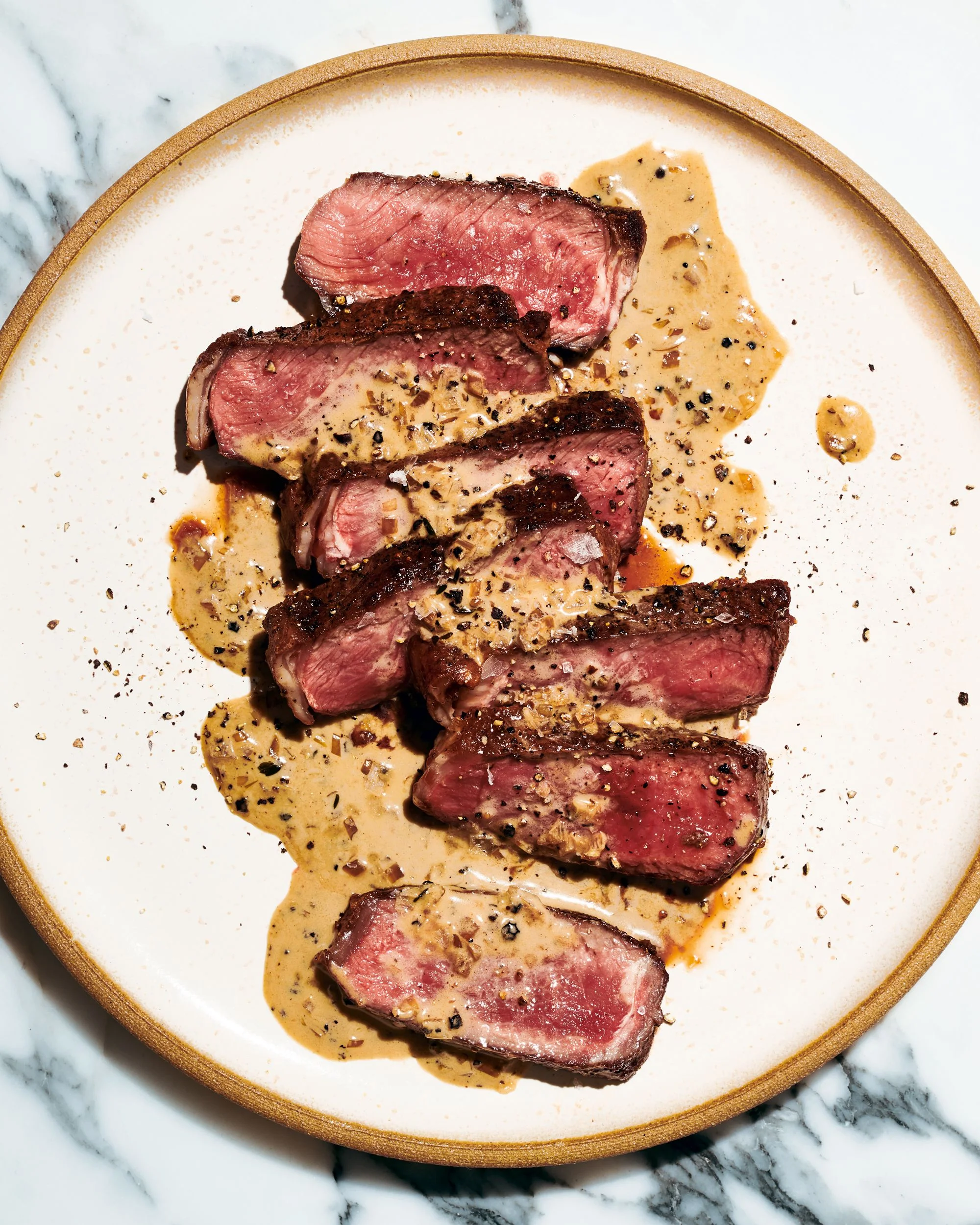
Using coarsely crushed black peppercorns in your steak au poivre can significantly enhance both texture and flavor. Unlike finely ground varieties, the chunky pieces deliver a more pronounced peppery kick with added crunch that elevates the dish. Finishing the steak with a sprinkle of these rough pepper bits not only amplifies the boldness but also adds an appealing visual contrast. You might also consider incorporating green peppercorns, whether pickled or fresh. They bring a softer, more floral note that can complement the dish but lacks the intensity of the black variety. If you're curious about mixing things up, check out the Porterhouse With Summer au Poivre Sauce, which pairs vibrant green peppercorns with basil and mint for a refreshing twist.
Preventing Sauce Breakage
One of the common pitfalls while making au poivre sauce is reducing it too much. When you add cream, keep the simmering to a minimum—just until it coats the back of a spoon. If you overdo it and the sauce becomes overly thick or starts to break, a splash of cold water can help rescue it. This small adjustment not only thins the sauce but also aids in re-emulsifying the ingredients, ensuring a smooth finish.
Ideal Pairings for Steak au Poivre
While the classic pairing with steak au poivre is French fries, nearly any crispy or creamy potato dish can be an excellent companion. Think about serving it with BA’s Best Mashed Potatoes, Crispy Smashed Potatoes With Parmesan and Herbs, Spice-Roasted Potato Wedges, or even baby Hasselback potatoes. Each of these options invites the peppery sauce to cling beautifully, creating a fulfilling dining experience.
### Looking Ahead: Cutting Through the Noise of Culinary Tools The emerging trend in kitchen appliances and tools often clouds the essentials, making it easy to overlook the practical aspects crucial for home cooks. Recently, two standout products have surfaced that merit attention for their affordability and utility. First up, the Instant-Read Thermometer from Thermoworks is priced at an accessible $35. This tool acts as a simple yet effective means for ensuring that meats are cooked to perfection, escaping the guesswork that's often involved in cooking. The importance of precise temperature measuring can't be stressed enough. Overcooked or undercooked meat not only affects flavor but can also compromise safety. A reliable thermometer can make the difference between a culinary hit and an expensive mistake. On another front, IKEA offers a remarkably low-priced option at just $10, catering to budget-conscious consumers without sacrificing functionality. While it might not boast the sophistication of higher-end brands, this thermometer provides the basics needed for everyday cooking. For anyone just starting out or looking to expand their kitchen arsenal without breaking the bank, this tool is an attractive option. Still, it raises an interesting question: how much should we depend on technology in the kitchen? With advancements in smart kitchen tools, there's a seductive allure to investing in high-tech gadgets. However, these products often come with a higher price tag, leaving many wondering if they really need an array of digital features. Ultimately, the core takeaway for today’s home chef is that effective cooking doesn't hinge on the latest tech; instead, it relies on a few key, reliable tools. Considering the wide spectrum of products available and their varying price points, investing in a trustworthy thermometer—be it from a luxury brand or a budget retailer—should be a priority. If you're navigating the culinary space, remember that sometimes simplicity and effectiveness will serve you better than the fanciest gadget on the market. Whether you opt for the $10 model from IKEA or the more seasoned $35 Instant-Read from Thermoworks, choosing a dependable thermometer is a step towards elevating your cooking—not to mention, ensuring the perfect steak every time.
Discussion
Sign in to join the discussion.