Discover the flavorful combination of mezcal, lemon, and savory elements in the Salt and Smoke Margarita, a refreshing cocktail experience.
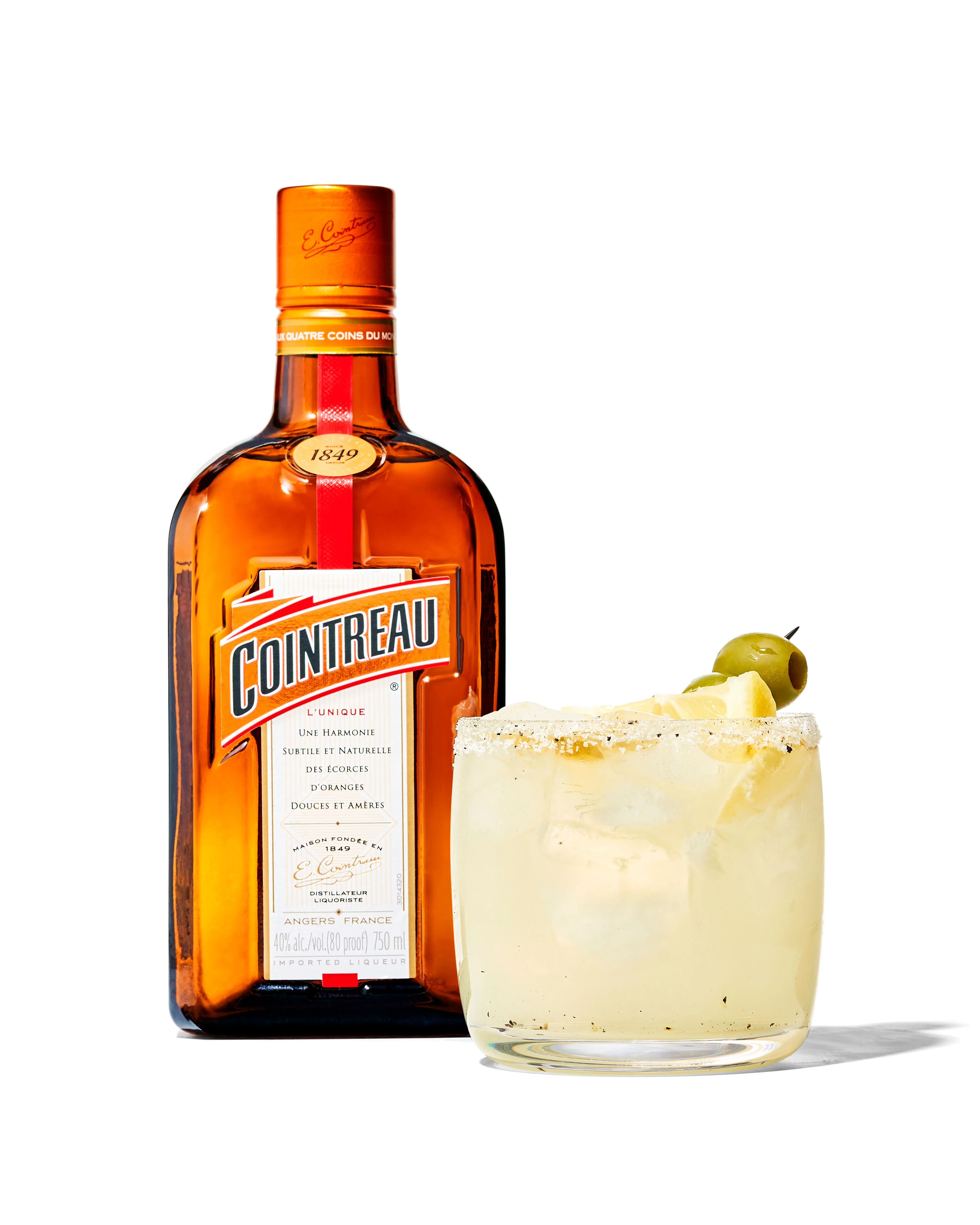
The Salt and Smoke Margarita elevates the classic cocktail by blending smoky mezcal with the bright notes of fresh lemon and honey. A touch of black pepper introduces a mild kick, while briny Castelvetrano olives lend a salty finish. For those seeking deeper flavor, a drizzle of toasted sesame oil can add an inviting nutty nuance.
Ingredients
- Kosher salt and freshly ground black pepper
- Lemon wedge
- 2 brined green olives, such as Castelvetrano
- 1 oz. mezcal
- 1 oz. Cointreau
- 1 oz. fresh lemon juice
- 1 tsp. honey
- 2 dashes orange bitters
- Toasted sesame oil, for drizzling (optional)
Preparation
-
Step 1
On a small plate, mix kosher salt and black pepper. Run a lemon wedge around the rim of a rocks glass, then dip it in the salt-pepper mixture. Fill the glass with large cracked ice, and prepare a skewer with olives and the reserved lemon wedge.
-
Step 2
In a shaker, combine mezcal, Cointreau, lemon juice, honey, and bitters, adding a touch of black pepper. Shake vigorously with ice until cold, then strain into your prepared glass. Finish with a pepper sprinkle and optional sesame oil drizzle, garnishing with the olive-lemon skewer.
Understanding the Components
The Salt and Smoke Margarita exemplifies a trend in cocktail crafting that embraces complexity. Mezcal, a distilled alcoholic beverage from the agave plant, offers an intense smokiness that differentiates it from its tequila counterpart. The underlying flavors play an essential role, and each ingredient is carefully selected to enhance the overall experience.
The Art of Balance in Flavors
One of the major draws of this cocktail lies in the interplay of flavors. Fresh lemon juice provides a zesty brightness that cuts through the heavier notes of the mezcal. Honey introduces a subtle, natural sweetness that round out the sharpness of the citrus. Black pepper adds a dimension of warmth, while Castelvetrano olives provide brine, which plays well with the sweetness and acidity. This careful balancing act is what elevates the cocktail from ordinary to something special.
Ingredient Spotlight: Mezcal
Mezcal has seen a significant rise in popularity over the past decade, driven by a surge in artisanal productions and a growing appreciation for its complex flavor profiles. Unlike tequila, whose production is limited primarily to blue agave and specific regions in Mexico, mezcal can be made from a variety of agave species, resulting in wild variations in flavor and character. This diversity allows mixologists to play with the characteristics of mezcal extensively, making it an excellent candidate for creative cocktail recipes.
Regional Characteristics of Olives
Castelvetrano olives, a key component in this recipe, are revered for their sweetness and tender texture. Hailing from Sicily, these olives are often enjoyed as snacks or in salads. Their briny nature adds a new layer of flavor to the cocktail, bridging the gap between ingredients and enhancing its refreshing qualities. This illustrates how regional ingredients can elevate even the most established recipes.
Preparation: The Craft of Cocktail Making
Though it may appear straightforward, the preparation of the Salt and Smoke Margarita provides valuable lessons in cocktail technique. Rimming the glass with salt and pepper not only enhances the drink's aesthetic appeal but also accentuates its flavors. Using large cracked ice promotes slower dilution, ensuring the cocktail maintains its intended strength as you sip. This attentiveness to detail represents the difference between a good cocktail and a memorable experience.
Implications for Cocktail Trends
This cocktail is reflective of a larger movement in the spirits and mixology industries toward complex, layered drinks that engage the palate. As consumers grow more adventurous, they expect cocktails that offer depth rather than mere sweetness. This trend has invigorated bars and restaurants, pushing them to innovate and experiment with flavors. If you're working in this space, understanding these preferences can drive better menu development and customer satisfaction.
Future Outlook: What Comes Next?
As the demand for sophisticated cocktails continues to rise, we can expect to see more creative uses of ingredients like mezcal and other unique spirits. The Salt and Smoke Margarita is just one example of how traditional recipes can be reinvented. Future iterations may explore the use of different herbs, spices, or even other regions’ spirits to contribute to this trend. Innovation in cocktail crafting won't just be about new flavors but also about storytelling — creating narratives around the origins of ingredients and their taste profiles.
And this is the part most people overlook: the way a drink can evoke an experience or a sense of place. As mixologists embrace this ethos, we can anticipate a vibrant cocktail culture that continuously evolves, inviting enthusiasts to explore deeper connections with what’s in their glass.
Discussion
Sign in to join the discussion.