The Risks of AI-Generated Food Imagery for Restaurants: Balancing Cost and Authenticity
Published Aug 28, 2026770 readers
AI-generated food images may save costs but often fail to reflect authenticity, risking consumer trust and brand integrity in the culinary industry.
The Disturbing Trend of AI-Generated Food Imagery
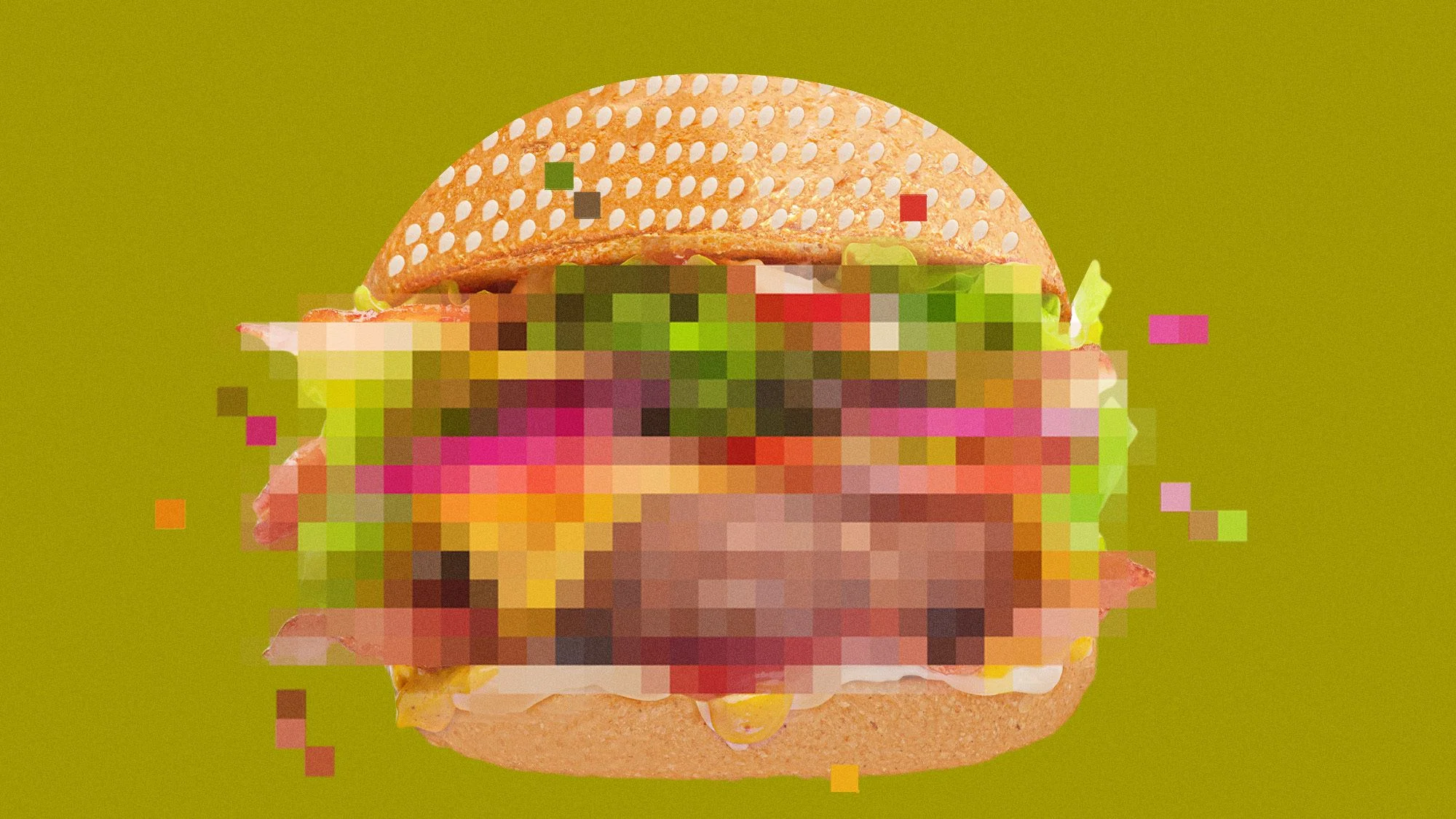
Let’s get straight to the point: the use of AI-generated food photos by some restaurants is alarming. Imagine scrolling through a menu and coming across an appetizing image—only to find that the image is a deeply unsettling, poorly rendered AI creation. It’s incredible how bad they can get. A burrito, for instance, may appear as an amorphous mess, completely devoid of any semblance to the delicious dish you'd expect. You expect mouthwatering visuals, not an abstract art piece.
This unsettling trend seems to stem from an attempt to cut costs. Hiring professional photographers and food stylists can be expensive—often running into thousands of dollars for a single shoot. So, some restaurants are turning to AI for cheaper, faster alternatives. But at what price? Just because it sounds smart on paper doesn't mean it translates well in practice. Ultimately, the visual representation of food should enhance its appeal; opting for AI misfires can detract from the overall dining experience and leave guests feeling misled.
Interestingly, there’s research suggesting that AI-generated food photos can resonate positively with audiences—if the viewers are not aware of their origins. A study published in 2024 reveals that when people are oblivious to the AI's involvement, they tend to find the images appealing. However, once they know the truth, the allure fades, leaving them craving authenticity over artificiality. This suggests a slippery slope: if you rely on AI, you risk becoming a victim of your own deception, as diners who once felt drawn to your restaurant may leave feeling cheated.
What this means for you: in a market saturated with low-quality imagery, consumers might become more discerning, longing for genuine craftsmanship that showcases real food from real chefs. If you're working in this space, remember that your visuals matter more than you might realize. The preference for authenticity isn't just a trend; it reflects our collective yearning for tangible experiences, especially in a digital age where so much is constructed or filtered. As technology seeps into every facet of our lives, a growing number of us are developing a preference for the tangible craft, whether that’s watching a chef work or enjoying the tactile elements of a meal. Are you willing to risk your brand's reputation for a quick fix?
The AI Artistry Paradox
What’s perplexing here is the dual nature of AI in the food industry. While it can generate appalling visuals, there's a praiseworthy side: skilled artists and chefs can use AI as a tool to enhance their storytelling and visual appeal. Imagine AI assisting a professional photographer in crafting surreal, imaginative food art—this enables a unique dimension of creativity. Yet, many restaurants skip this nuance, opting for the shortcut, which only serves to cheapen their brand and erode consumer trust. There’s an inherent irony: in the quest to save money, they might be sacrificing the very essence of what makes dining enjoyable.
In an age where culinary experiences are cherished as much for their aesthetic as for their flavor, this development raises serious questions. Why gamble with your restaurant's image by relying on subpar digital representations? As diners increasingly seek out Instagram-friendly experiences, an unrefined image could cost you potential customers. If you're in the restaurant sector, it's worth taking this into account. Authentic representations resonate better—our interest in food has always involved engaging with the real deal, not a faux experience that leaves a bad taste in our mouths.
And herein lies a poignant lesson: the more we value technology in food presentation, the more we must also appreciate the artistry behind it. Instead of solely relying on AI, there’s a more thoughtful avenue—working alongside creative professionals who can elevate your brand's image. That said, it requires investment, both financially and in terms of time. Yet this commitment can yield significant dividends in consumer trust and brand loyalty, something low-quality visuals will never achieve.
Implications and Future Outlook
The rise of AI-generated food pictures may lead to deeper implications within the culinary community. As restaurants experiment with AI, those that produce lower-quality imagery might inadvertently set off a backlash. If consumers grow tired of misrepresentation, they could gravitate towards establishments that prioritize authenticity. This shift could reshape marketing strategies across the board.
Consider how social media plays into this dynamic. Platforms like Instagram and TikTok thrive on visual content, and poorly rendered food photos won’t garner likes. Restaurants that fail to invest in quality imagery risk being overshadowed by competitors showcasing real dishes. It's a reality check for the industry: visuals matter immensely in attracting and retaining a customer base. Authenticity, once a buzzword, is becoming a necessity.
Moving forward, the blend of AI technology and traditional food representation can lead to creative masterpieces, but it must be approached with a discerning eye. Restaurants need to ask themselves: “Are we valuing shortcuts over substance?” The answer could determine their success in a consumer market that's steadily growing tired of anything inauthentic.
In the end, while AI offers new avenues for creativity, the food industry must remain vigilant about preserving the authenticity that drew diners to their tables in the first place. Striking a balance between technology and authentic culinary expression may just be the key to thriving in an increasingly digital world.
Discussion
Sign in to join the discussion.