The Rise of Personal Seasonings in Dining
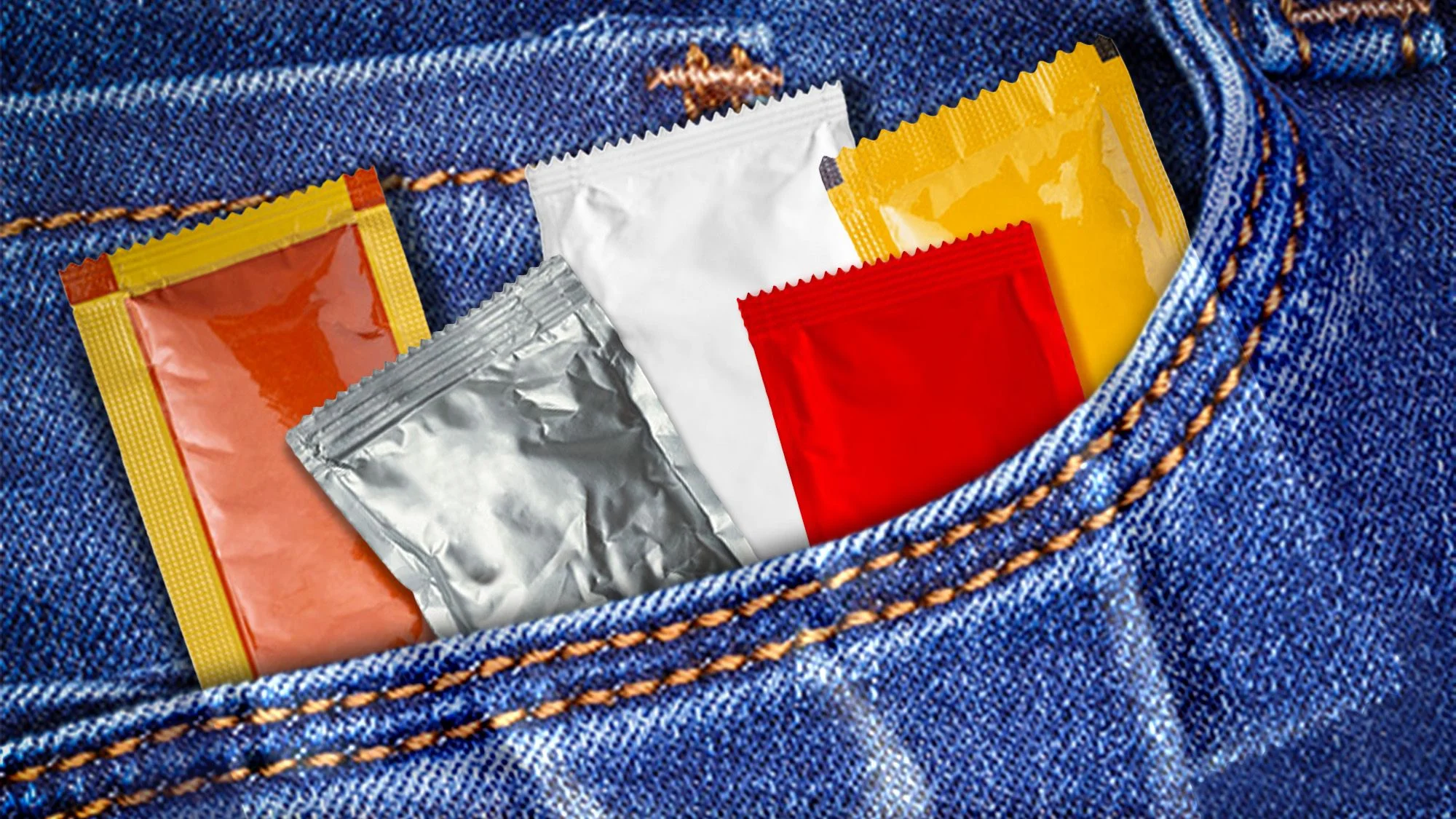
Elevating meals with personal seasonings has gained traction among diners. Julia Coney, a seasoned wine consultant and food writer, epitomizes this trend. She carries a customizable kit filled with finishing salts, chili oils, and mustard, saving it for those moments when a meal falls short of her taste preferences. This isn't just about flavor; it's a reflection of a growing desire for personalization in the dining experience.
Coney's "seasoning package" isn’t merely a travel accessory; it’s her culinary security blanket. She’s not shy about using it even in upscale dining environments. “I’m particular,” she admits. This approach often garners praise from fellow diners who view her as resourceful. It raises the question: can personal preferences in food improve not just satisfaction, but also the social experience of dining out?

Diners Demand Customization
This penchant for personalized seasonings isn't limited to Coney. An informal survey revealed that many diners, including chefs, bring their own additives: from mini hot sauce bottles to flavored salts. This backdrop highlights a shift in dining culture where individuals are seeking tailored taste experiences rather than depending solely on restaurant offerings.
However, the etiquette around this practice can be complex. Some chefs advocate for personal seasonings in informal settings—think casual cafés or pizzerias. “In a relaxed environment, it’s more acceptable,” suggests culinary director Jonathan McDowell. He adds that before reaching for one’s own spices in a fine dining venue, it’s prudent to sample the chef's preparations first. This insight emphasizes a balance between personal taste and respect for culinary expertise.
Communication is Key
Chef Matthew Dion from Charleston's Lowland adds that while his team strives to season dishes well, he recognizes that diners sometimes prefer additional heat or flavor. “If a guest desires hot sauce, we’re open to that,” he explains. This highlights the importance of communication between diners and restaurant staff, which can significantly enhance the overall dining experience.
Coney aligns with Dion's sentiment. Typically, she asks restaurants if they offer her preferred sea salt before introducing her own. Her experience suggests that engaging politely opens doors. If you're working in this space, consider how conversation can redefine what’s acceptable at the table.

The Playful Side of Seasoning
Adding a touch of personal seasoning can invite playful banter, as chef Cecil Rodriguez highlights. He embraces bringing his own salt, fully aware that not every dish can cater to individual palates. “Why endure an underseasoned meal?” he argues, showcasing a more playful side of the practice. This perspective encourages diners to engage with their meals in a more hands-on manner and consider the subtle nuances that various seasonings bring to their dining experience.
Looking Ahead: The Future of Flavor Customization
This trend of bringing personal seasonings is indicative of a larger shift in consumer behavior within the food industry. Diners are increasingly desiring more than just quality food; they want a personalized experience that resonates with their tastes and preferences. As restaurants adapt to this demand, we might see more establishments embracing seasoning customization, potentially even offering tailored spice selections as part of their menus.
This shift could also influence how chefs approach menu design. Restaurants might consider offering guidance on seasoning selections, creating a collaborative dining experience rather than a top-down service approach. If chefs and diners can navigate this balance effectively, the dining experience may evolve to be more interactive, enriching, and fulfilling for patrons.
Discussion
Sign in to join the discussion.