The Cultural Phenomenon of Waiting in Line at Ambassadors Clubhouse
Published Aug 10, 2026941 readers
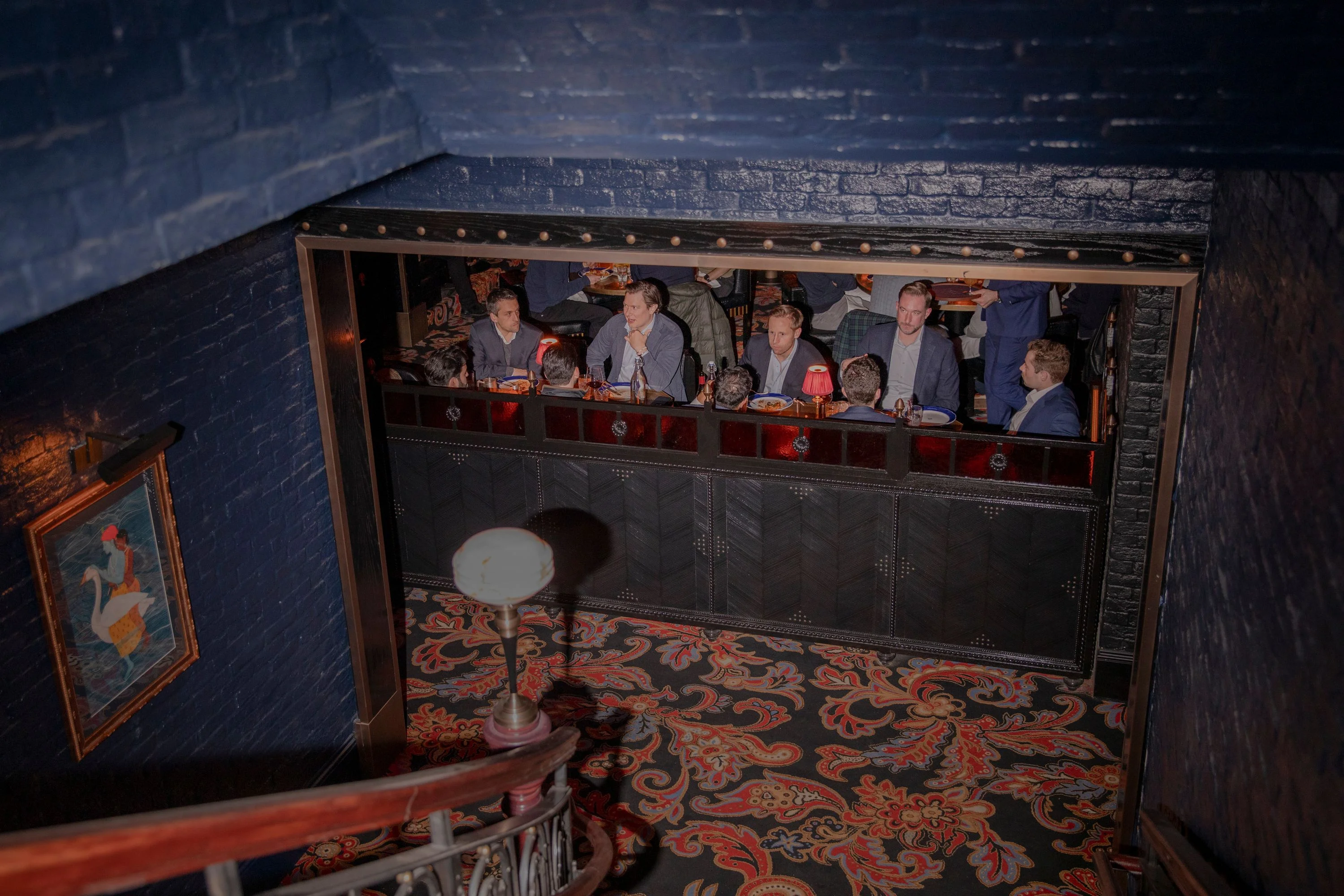
Ambassadors Clubhouse in NYC has turned waiting for reservations into a sought-after experience, blending anticipation with culinary delight.
The Allure of Ambassadors Clubhouse
If you stroll by Ambassadors Clubhouse on a Thursday at around 4 PM, prepare for the spectacle: a serpentine line of eager diners, smartphones in hand, their conversations buzzing with hope and suspense. Most won't get a chance to sit down that evening; the restaurant operates under a tight reservation system that only welcomes a few lucky walk-ins—typically just from last-minute cancellations. If no one bails, those folks are left waiting in vain.
Sure, other excellent Indian eateries litter the NoMad neighborhood, but none hold the magnetic pull of Ambassadors Clubhouse. This ritual of lining up is set to repeat itself the very next day—a symbol of a dining experience that’s become as much about waiting as it is about the meal itself.
Opened in February, Ambassadors Clubhouse didn't just ride the coattails of popularity; it generated its own buzz before the first reviews hit. Drawing heavily from its London predecessor, which already boasts a Michelin star, the restaurant has become one of the most discussed British culinary imports in New York. Its backstory, from a successful original opening in London's Mayfair to a table-hunting frenzy detailed in various Reddit threads, has only fueled the anticipation. This is a brainchild of JKS Restaurants—run by siblings Jyotin, Karam, and Sunaina Sethi—that's made headlines for both its high-profile launches and notoriously hard-to-get reservations.
You see, the excitement surrounding Ambassadors Clubhouse isn't merely casual chatter. It’s a full-on cultural phenomenon. When reservations release on Resy, they vanish almost instantaneously—often before you can even open the app. To mitigate this frenzy, they've instituted a policy limiting guests to just one reservation per month.
But here's the kicker: is it truly worth it? Waiting for an hour outside only to negotiate with a host wielding an iPad feels more like a ritualistic challenge than simple dining. When the time spent in line nearly mirrors that of your meal, the anticipation morphs into an integral part of the entire experience. Suddenly, those long queues—once a nuisance—become an accepted, almost celebrated, feature of dining out in New York.
What’s clear is that this obsession with waiting has escalated as dining culture shifts. Think back to the early days of the cronut or the lines for gourmet cake pops during the pandemic; now, we’re lining up for everything from elite dinner reservations to artisanal baked goods, driven by social media’s relentless appetite for the "next big thing." Whether it’s tortillas from a popular new establishment or vibrant dot cakes, the phenomenon is pervasive. The question isn’t just about what’s on your plate but also about what it takes to get there. It’s not just a meal anymore—it’s a quest.
The New Norm of Waiting: A Double-Edged Sword
Waiting in line for a restaurant has transformed into its own cultural phenomenon, turning the experience of dining into a quest filled with anticipation. The Ambassadors Clubhouse is a brilliant example of this trend; guests eagerly line up for hours, reveling in the hope of flavorful Punjabi dishes and a lively atmosphere. It’s not just about the meal—it’s about the build-up, the shared experience with fellow diners, and the sweet satisfaction that comes after the wait.
But let’s unpack this a bit. Lines have a long-standing role in restaurant culture, yet recently, there's been a notable shift. Consider Butter & Crumble in San Francisco, which has even asked customers to refrain from lining up before service begins, citing disruptions caused by crowds. This hints at a growing awareness about the negative aspects of long waits; they can be more than annoying—they can disrupt neighborhoods and lead to strained community relations.
Still, the fervor to get into places like the Ambassadors Clubhouse isn’t simply a desire for good food. As food writer Luke Fortney cynically observed, younger diners might be viewing the wait as part of the experience, almost as a rite of passage. There’s a sense of accomplishment in grabbing that coveted reservation, akin to achieving a personal victory. “I earned this,” they might say after a two-hour wait, reflecting a mindset that embraces patience as virtue.
However, one must question whether we should romanticize the act of waiting. Yes, there can be a naive charm in standing shoulder to shoulder with fellow diners, exchanging stories of previous culinary quests while waiting. But as the experience becomes commodified, the question shifts: Are we really enjoying the food, or are we merely courting the social experience around it? Do we genuinely want to savor each bite, or are we simply falling for the societal pressure that insists the line makes the meal taste better?
Ultimately, while the lines might serve as an enticing prelude to a dining experience, they also risk becoming an unnecessary component that detracts from what should be a straightforward pleasure: enjoying food. As we navigate this complex dining landscape, it might be worth pondering—are we waiting for the food, or are we waiting for the experience of waiting itself? With technology enabling reservations and digital queuing, perhaps we should rethink how much time we willingly spend in line, minimizing the wait while maximizing the enjoyment of the meal ahead.
Discussion
Sign in to join the discussion.