Mastering the Classic French 75: A Timeless Cocktail Recipe
Published Sep 04, 2026433 readers
Discover the French 75, a vibrant cocktail that balances gin, lemon, and Champagne, perfect for any celebration and easy to customize.
An Elegant Introduction to the French 75
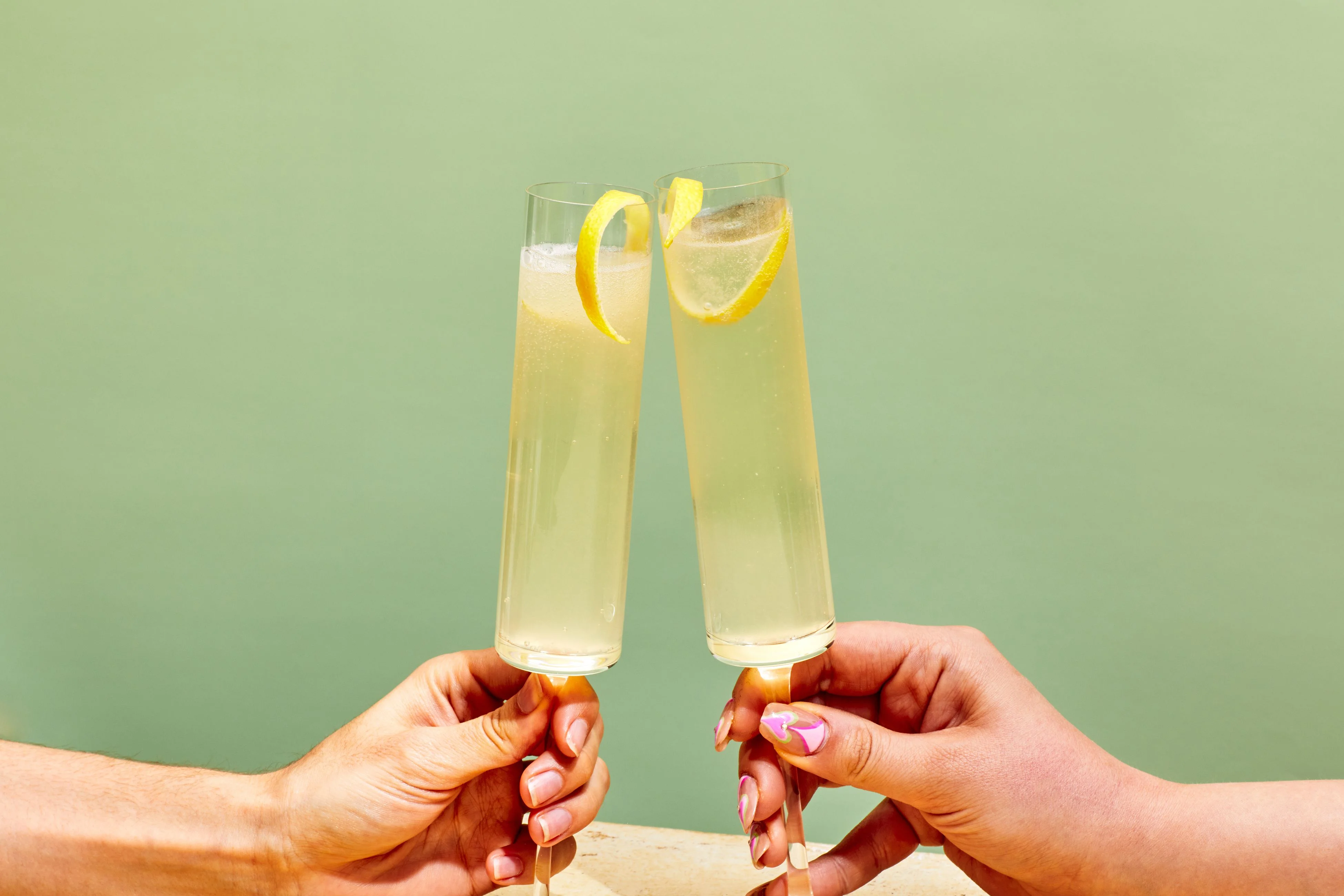
When it comes to cocktails that exude a sense of celebration, the French 75 stands out as a classic choice. This drink, characterized by its crisp yet citrusy punch, blends the herbal notes of gin with fresh lemon juice and the effervescence of Champagne. It’s a concoction that’s not only simple to prepare but also versatile enough for any occasion, whether it’s a lively New Year’s Eve party, a festive holiday brunch, or a leisurely summer gathering.
One of the key secrets to mastering the French 75 is understanding the balance of its ingredients. When shaking gin and lemon juice with simple syrup and ice, you're not just mixing—you're achieving a perfect equilibrium that ensures the cocktail is refreshingly sweet without being cloying. For the best experience, chill your Champagne for at least four hours before serving. And let’s not forget the critical touch of a lemon twist, which adds a fragrant aroma that enhances each sip.
Addressing Common Questions About the French 75
You might wonder, are variations of the French 75 acceptable? Here's where the conversation gets interesting. While the classic recipe typically uses gin, you’ll often see cognac making an appearance—a nod to the drink's historical roots. Substituting gin for cognac will result in a drink with a richer, warmer flavor profile, perfect for those who prefer a slightly different experience.
Another frequently asked question: can you swap Champagne for prosecco? Absolutely. Prosecco, along with Cava or any dry sparkling wine, can serve as a stand-in. Just make sure to choose a bottle labeled “brut” to maintain the intended balance of flavors and avoid excessive sweetness in the final mix.
If you find your French 75 leaning too sweet for your palate, simply adjust the amount of simple syrup you use. Starting with less is always wise—you can add more if needed, but it’s tough to take sweetness away once it’s in there.
Why is it called a French 75, you ask? That's a question that invites a deeper dive into its storied past. The origins of this iconic cocktail are steeped in both tradition and anecdote, reflecting the glamour and excitement of the era in which it was born. If you're immersed in the craft of cocktail making, exploring these nuances not only enriches your knowledge but also enhances your appreciation for this timeless drink.
The History and Composition of the French 75
This cocktail's name pays homage to the iconic 75-millimeter field gun used in World War I, implying a fierce potency that matches its namesake. The drink’s lineage is somewhat murky, but as per Chris Hannah, New Orleans' renowned bartender at Arnaud’s French 75 Bar, the origins lie in a celebratory toast among Allied troops. They raised glasses of cognac and Champagne in honor of the artillery that safeguarded them. Today, however, dry gin is the spirit of choice for mixing this drink, offering a refined twist on the original formulation.
Preparing French 75s in Advance
You're probably wondering if you can get a head start on this drink. While you can't fully prepare it ahead of time—it's best to keep that Champagne chilled and unopened until you're ready to serve—you can prep the other ingredients. Mix together the gin, fresh lemon juice, and simple syrup up to six hours in advance.
For a batch that serves eight, you'll want to combine 1½ cups of gin, ¾ cups of lemon juice, ¾ cups of simple syrup, and ½ cup of water (the last component compensates for dilution that occurs during shaking) in a pitcher. Chill this mixture until you’re set to serve. When it’s time to pour, measure out 3½ ounces of the chilled gin mixture into a flute and crown it with 2 ounces of Champagne. This method not only saves time but elevates your hosting game, enabling guests to enjoy the cocktail without delay.
And here's the kicker: if you want to impress with this classic drink, understanding its origins and the right way to prepare it can make all the difference during your next gathering. You're not just serving a cocktail; you're sharing a piece of history in a glass.
Looking Ahead: The Power of Digital Recipe Sharing
As we wrap up our exploration of modern culinary trends, it's clear that the ability to interact with recipes online has transformed how we cook. The digital landscape provides more than just a collection of instructions; it facilitates a dynamic exchange of ideas among home chefs and food lovers. Platforms that allow users to bookmark or print recipes have become invaluable tools for organization and inspiration.
This development isn't just about convenience. Consider the implications: the ease of saving a recipe for later use or instantly printing it can significantly influence what gets cooked at home. This shift opens the door to culinary experimentation, encouraging people to try new dishes without the fear of losing a cherished recipe or feeling overwhelmed by complex steps.
Here's the kicker: as user-friendly features become standard, they're also driving higher engagement levels on food blogs and cooking sites. By enabling users to explore categories, such as festive recipes or ingredient-specific pages, websites foster a sense of community. Whether you're interested in classic cocktails or festive holiday meals, the diverse tag system allows for easy navigation across vast culinary options, as demonstrated with links to celebrations for New Year’s or enticing ingredients like gin and citrus.
Now, you might be wondering how this affects the larger food industry. If you're in tech, what's intriguing here is the potential for data-driven insights. Analyzing what dishes become favorites or what ingredients are trending could provide marketers with powerful information. But, it's not just about analytics; it's also about experiencing these recipes. Sharing reviews and notes encourages collaboration and refinement of cooking practices.
One thing’s for sure: as these digital tools evolve, they hold the promise of not just enriching our cooking experiences but also redefining our relationship with food. As more people turn to these platforms, the traditional recipe book may fade into the background, and that's a significant shift worth embracing. The future of cooking isn't just in the kitchen; it’s increasingly rooted in our screens.
Discussion
Sign in to join the discussion.