Svetlana Alexievich emphasizes the importance of asking profound questions to reveal true human experiences in her latest interview.
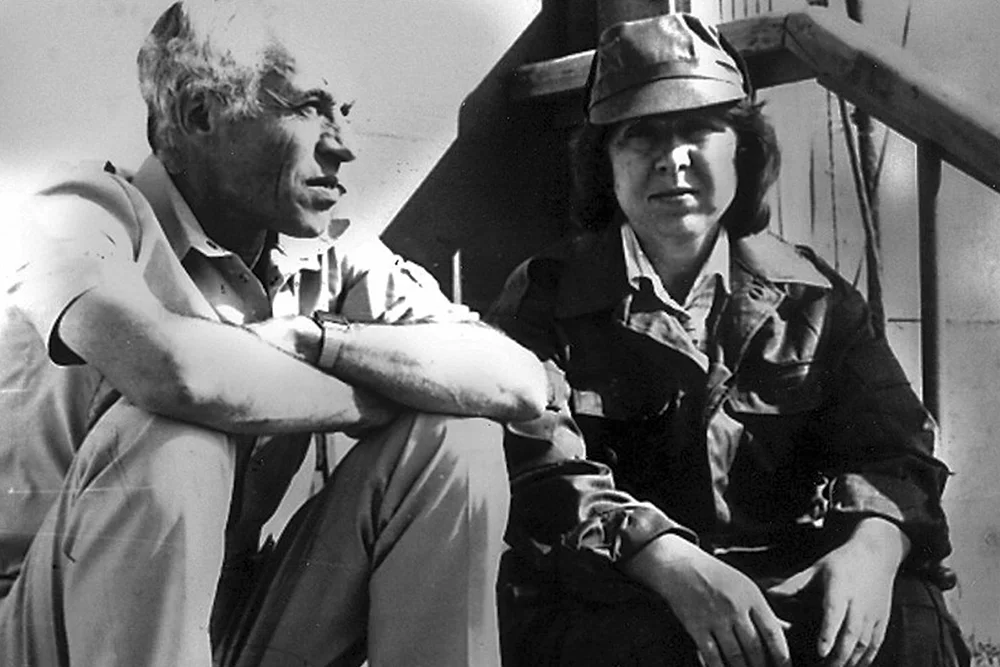
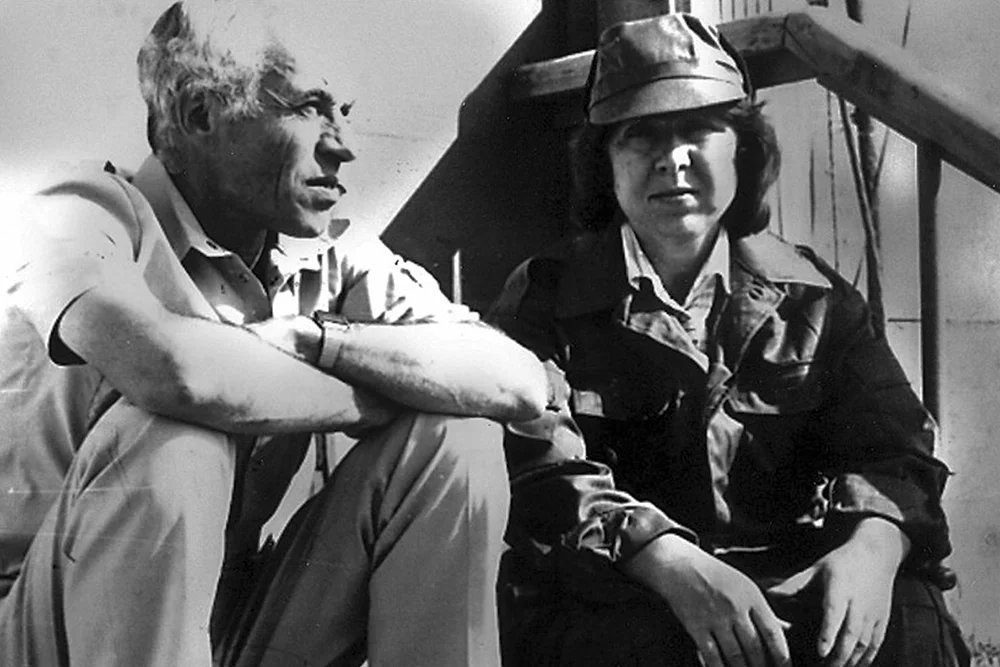
Svetlana Alexievich with a cameraman in Kabul, 1988. Courtesy of Svetlana Alexievich.
The Heart of Human Stories
In a compelling discussion featured in the Paris Review, Nobel laureate Svetlana Alexievich argues for the necessity of digging deeply into human stories rather than skimming the surface. “If you cut straight to the part you need, which is what journalists do, it won’t be interesting, and it won’t be the truth, either,” she asserts in her conversation with Elena Kostyuchenko in The Art of Oral History No. 1. "You have to ask questions... to make people face what they rarely tap into.”
Alexievich emphasizes that the most poignant truths often lie beneath the surface of personal narratives. This nuance requires journalists and authors alike to delve into the emotional depth of their subjects, bringing to light the larger human experience tied to specific events. When reporting, understanding the subtleties of emotion can greatly enrich one’s storytelling. By focusing solely on facts, many narratives lose their compelling nature.
Preserving Voices Through Oral History
Throughout her career, Alexievich has diligently gathered testimonies from individuals affected by significant historical events, ranging from World War II to the Chernobyl disaster. Her work is distinguished by its deep empathy, successfully capturing the human condition in times of hardship. In her book, Voices from Chernobyl, she doesn’t just relay facts; she uncovers the emotional truths behind them, revealing how tragedy alters the fabric of everyday life.
This approach isn't merely academic. The personal anecdotes woven throughout her work imbue them with authenticity. They invite readers to engage not just with events but with the people behind the narratives. The breadth of her subjects spans diverse classes and backgrounds, exploring the interconnectedness of individual experiences amid societal upheaval. The emotional resonance these stories hold is often what draws readers in, making the tragedies feel immediate and personal.
The Ethical Dilemma of Narrative Construction
In her conversation with Kostyuchenko, Alexievich faces questions regarding her storytelling methods. “In these situations," she notes, "you have to either make composites of stories, or come up with other tricks.” This statement unveils the ethical challenges inherent in oral history. Striking a balance between fidelity to the truth and the necessity of protecting identities complicates the storytelling process. When asked whether she combines narratives, her affirmative reply indicates the complexity of her approach: “Yes, so neither person can be identified; it’s still nonfiction, it reflects what people told me at the time.”
Here’s the thing: while some may view composite storytelling as a betrayal of truth, it also serves a vital function. It allows for the protection of individuals whose stories might otherwise have remained hidden, especially in oppressive contexts. The challenge lies in ensuring that the composite account still resonates with the universality of human experience, honoring those whose voices were melded into something greater. (And this is the part most people overlook.) Achieving this essential balance, Alexievich illustrates, is key to preserving both authenticity and empathy in storytelling.
The Enduring Impact of Alexievich’s Work
Alexievich's commitment to amplifying authentic voices inspires not only writers engaged in oral history but also journalists striving to honor their subjects. The discipline she advocates encourages deeper exploration of human experiences, pushing journalists away from surface-level reporting to the emotional and moral complexities that drive personal narratives. In a media environment often obsessed with expedience, Alexievich's approach is a bracing antidote.
In a practical sense, if you're working in this space, Alexievich’s methods remind us that truth can be multilayered. The stories behind significant events demand recognition of individual emotional truths, creating a broader understanding of history. By engaging with these narratives, we can achieve a more nuanced awareness of societal events—an awareness marked by empathy rather than mere statistics or headlines.
Implications and Future Outlook
The implications of Alexievich’s oral history practices extend beyond literary confines; they touch on journalism, documentary filmmaking, and even contemporary storytelling in digital spaces. The rise of social media has transformed the landscape of human storytelling. People can now share their narratives directly, bypassing traditional media. The challenge, however, is the risk of oversimplification. Uncurated, these powerful human stories may get lost in the noise. Alexievich’s work serves as a reminder of the importance of structure and empathy in storytelling, driving home the message that the heart of a story matters as much as the facts.
As we move deeper into an era dominated by rapidly consumed content, Alexievich’s ethos urges us to prioritize depth over velocity. The future of storytelling lies not in inundating audiences with information but in providing context, empathy, and understanding. Only then can we humanize the narratives that shape our world.
Voices from Chernobyl
Svetlana Alexievich, translated by Keith Gessen
We were newlyweds. We still walked around holding hands, even if we were just going to the store. I would say to him, “I love you.” But I didn’t know then how much. I had no idea … We lived in the dormitory of the fire station where he worked. I always knew what was happening—where he was, how he was.
One night I heard a noise. I looked out the window. He saw me. “Close the window and go back to sleep. There’s a fire at the reactor. I’ll be back soon.”
I didn’t see the explosion itself. Just the flames. Everything was radiant. The whole sky. A tall flame. And smoke. The heat was awful. And he still hadn’t come back.
From issue no. 172 (Winter 2004)
Sign up for the Redux newsletter to receive these pieces in your inbox every Sunday morning.
Discussion
Sign in to join the discussion.