As the Aqueduct Racetrack closes its doors after 132 years, we reflect on its storied past and the final bittersweet moments shared by devoted fans.
A Nostalgic Send-Off at Aqueduct Racetrack
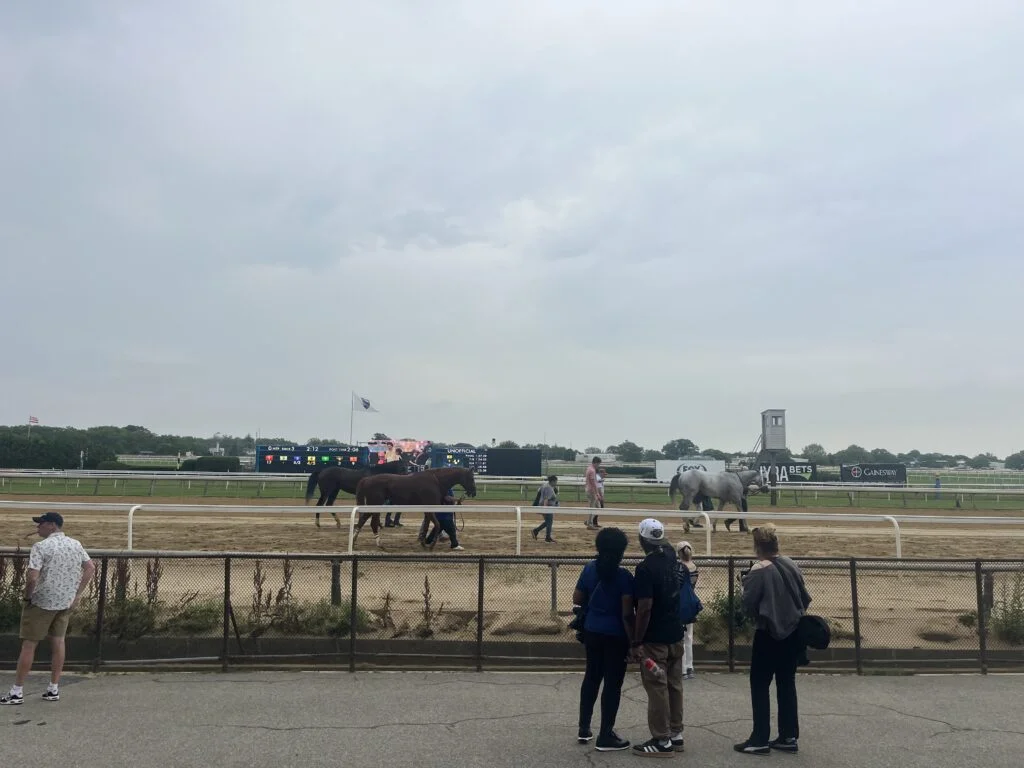
The final day at Aqueduct Racetrack on a late June Sunday drew an unexpected crowd, signaling the end of an era for this historic venue. As patrons entered the track, they were enveloped in a sense of anticipation and nostalgia, many receiving commemorative vials of its dirt as mementos. These tokens, small yet significant, became treasures for fans who had shared an intimate bond with the racetrack, encapsulating years of memories woven into the dirt where countless horses had raced.
A Crowded Farewell
This closing event was the most bustling the Aqueduct had seen in several years, if not longer. The grandstand overflowed with spectators, creating an atmosphere reminiscent of its glory days. The energy was palpable, enhanced by the lively music from a steel drum band setting the tone for this bittersweet occasion. It wasn't just a typical race day; it was a celebration steeped in history and a poignant goodbye, a chance for nostalgic reflection for many who had come to see the grand venue for the last time.
From Glory to Decline
Aqueduct Racetrack has long been a point of pride since its renovations in the late 1950s, positioning it as the world’s largest racetrack. In its prime, it accommodated up to eighty thousand fans, highlighted by bustling amenities, including lounges and even a miniature hospital. Yet, as the years rolled on, the extravagant flair faded, giving way to a sense of decay, mirroring shifts in interest and investment in horse racing as a whole. The stark contrast between past grandeur and the dilapidated condition observed in recent visits serves as a powerful metaphor for the sport’s evolving identity.
A Changing Era
Once bustling with fashionably dressed crowds, the Aqueduct has transformed dramatically over the decades. Many attendees spoke nostalgically of the past, recalling an era when both the horses and their owners were often dressed to the nines in suits and hats. Today, that charm is gone, with crowds dwindling from thousands to mere hundreds, leaving behind empty seats where once there was laughter and excitement. The decision by the New York Racing Association (NYRA) to consolidate operations at Belmont Park reflects a significant logistical and emotional shift, emphasizing a fading era that many lifelong fans had to accept. The sense of loss was tangible.
The Fans' Sentiment
As the last races unfolded, veteran attendees shared their favorite memories, recounting tales of witnessing iconic horses rise to fame. The emotional resonance of these memories revealed a deep attachment to the venue, with many fans accepting its decline with a resigned grace. “This will always be the place I returned to for the sport,” one patron remarked, capturing the bittersweet acceptance of change and the weight of collective memory in the face of inevitable progression. What these sentiments show is a profound connection that transcends mere sport; it’s a reflection of a community built around shared experiences, unexpected friendships, and love for the race.
Final Races and Lasting Memories
The closing day culminated in an atmosphere charged with emotion. After nine races, the final one featured a velvety brown gelding named Assume Nothing emerging as the victor. As the horse crossed the finish line, the roar of the crowd ignited energy rarely seen in recent years. Post-race, fans rushed to collect track dirt from trainers and jockeys, capturing a last trace of a place that had served as a backdrop to countless stories and memories. This frantic collection wasn't just a desire for a souvenir; it was an attempt to hold onto the essence of the Aqueduct, reminiscent of past triumphs and the lives intertwined with its storied history. (and this is the part most people overlook)
A Transition to the Casino
As many left the track, some shifted their focus to the accompanying casino, where new developments promised more gambling opportunities and entertainment options. Yet, for many crowd members, the appeal of the Aqueduct's racing days could never be replicated. The casino's loud and frenetic atmosphere felt jarring compared to the rich, layered history of the racetrack. I couldn’t shake the sense that I was leaving behind something special. These venues often struggle to capture the spirit of live racing, which offers more than just betting; it provides a communal experience rooted in tradition and shared passion.
Reflections on Change
The couple of hours spent at the Aqueduct encapsulated a slice of racing history, showcasing the highs and lows of this once-thriving venue. The final farewells carried a weighty sense of finality, leaving lingering questions about what comes next for a dedicated community of fans. Though the races may have ceased, their collective memories lingered on, carving out a legacy as vibrant as the colors of the silks racing across the track. What this means for you, if you're working in this space, is a reflection on not just what’s being lost, but also what can be learned from these transitions. The past deserves recognition, and the future? It beckons for innovation that honors history.
Max Callimanopulos is a writer, whose recent work has appeared in the TLS, N+1, the London Review of Books, and the Red Hook Star-Revue.
Discussion
Sign in to join the discussion.