Explore Carla Lalli Music's Masala Chai recipe, a delicious blend of spices and traditions that transforms tea-making into a meaningful ritual.
Welcoming You to a Flavorful Experience
Cooking isn’t just about nourishment; it’s an invitation to explore. This feature on *Bon Appétit* highlights a recipe that embodies this sentiment—*BA’s Best Masala Chai*, crafted by former food director Carla Lalli Music. If you've ever sat in a cozy café, sipping a perfectly spiced chai, you know how a well-brewed cup can transport you to another world.
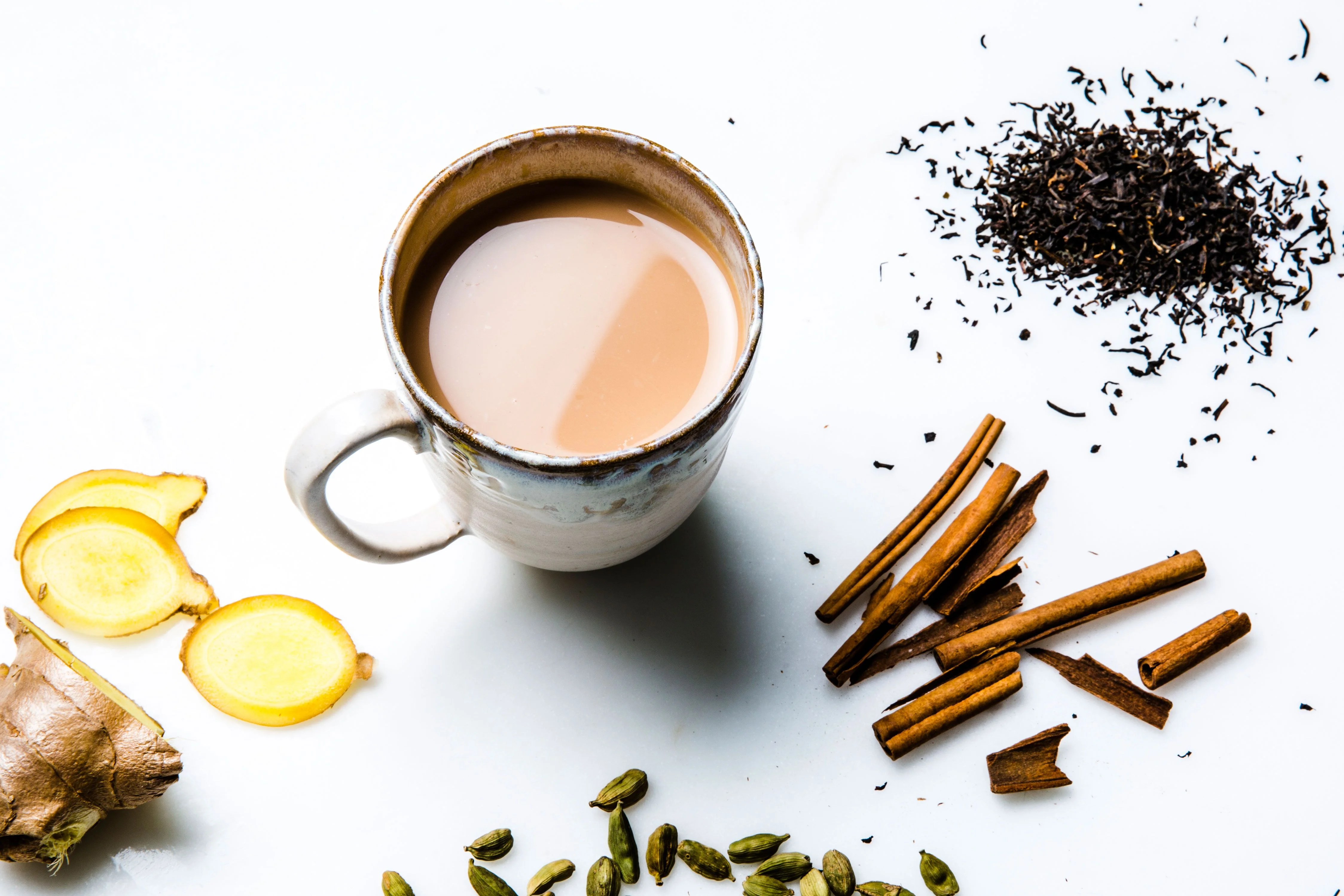
The genuine allure of this masala chai lies in its harmonious blend of flavors. The recipe strikes a balance between the boldness of black tea and the warming notes of ginger, cinnamon, and cardamom. It’s not just any tea; it's a comforting beverage that engages the senses, ideally suited for chilly mornings or afternoon breaks. What sets this recipe apart is the adaptability it offers. Although Assam tea is recommended for its robust profile, even sturdy bagged teas like PG Tips can deliver satisfactory results.
From Tradition to Transformation
Lalli Music’s version isn't just a simple adaptation; it's a transformation informed by experience. She first encountered this chai at her yoga studio, where it was prepared by her friend, Spiros Antonopoulos, who learned the craft from a chai wallah in Taos, New Mexico. The beauty of this story lies in its origins—a melding of cultures and traditions reflecting the essence of masala chai.
The sweetener of choice? Maple syrup. A clever twist that adds a touch of sweetness without overwhelming the rich flavors. The preparation process requires a bit of finesse; bringing the chai to a frothy boil before taking it off the heat allows the spices to release their full potential. There's a certain art to this method, which balances both tradition and a streamlined approach for everyday home cooks.
Why This Recipe Matters
In a sea of chai recipes that often get bogged down in intricacy, this one manages to feel both accessible and authentic. It invites you to engage with each step, transforming a simple brew into a personal ritual. As you prepare this masala chai, you’re not just following a recipe—you’re becoming part of a tradition, infusing your kitchen with warmth and history.
This resonates beyond just culinary delight; it suggests a broader narrative about how food connects us to one another and to our roots. If you’re looking to deepen your culinary repertoire, or simply enjoy a meaningful experience with your next cup of tea, this recipe is not to be dismissed. It’s about more than just taste; it’s about seeing the world through a spice-laden lens.
Final Insights on Recipe Integration
Reflecting on the integration of culinary tradition and modern convenience showcased in recipes like this masala chai, we step back and see more than just a method of preparing a beverage. This is about culture, the merging of flavors, and the convenience of both traditional and contemporary kitchens. As we dissect these culinary creations, it becomes clear: the simplicity of the recipe belies its depth and heritage.
When you consider the rise of home cooking—accelerated by recent global events—the importance of these recipes can't be understated. For food enthusiasts and home cooks alike, recipes aren't static; they're platforms for exploration and creativity. Whether you're making this chai with loose black tea or experimenting with a unique blend, the essence of the recipe transcends its ingredient list. It's a conversation starter, a way to connect with heritage, and perhaps even a chance to venture into the world of spices for those less familiar.
And here's the real takeaway: while you may think you’re just brewing a cup of tea, you’re partaking in a global tradition, creating connections through taste. If you’re working in the culinary space or even just enjoying cooking at home, embracing recipes that honor both authenticity and adaptation will enrich your culinary journey. So, the next time you prepare masala chai, think beyond the pot; consider the stories and cultures behind every ingredient.
Discussion
Sign in to join the discussion.