A small lesbian bar in Massachusetts faces backlash over mask policy changes, igniting a heated discussion on community responsibility and inclusivity.
Welcome to Open Tab, your weekly digest of key industry insights and notable happenings. Previously, we examined the rising trend of escalating luxury trends.
Seasonal Shifts and Culinary Indulgences
As the fall season approaches, many in the northeastern U.S. are experiencing a shift, feeling the chill in the air and awaiting the comforting embrace of warm chili. This time of year is more than a simple transition; it sparks a culinary renaissance in homes and restaurants alike. People begin to crave hearty meals that evoke warmth and nostalgia, often turning to traditional recipes that have been passed down through generations. It’s a period where the food landscape shifts towards comfort and indulgence, embracing not just ingredients but also the shared experience of dining.
Recently, I visited Floradora and ordered the largest mozzarella sticks I've ever seen—an impressive feat on the menu. These massive creations weren't just a side dish; they represented a communal experience, encouraging sharing and conversation among diners. The trend of oversized portions seems to be gaining traction, as diners seek out ‘Instagrammable’ items that aren't just tasty but also visually appealing. If you're working in hospitality, consider that presentation and shareability might be key themes driving customer interest this season.
Pop Culture and Culinary Judges
In pop culture news, Nigella Lawson made her debut as a judge on The Great British Baking Show, successfully replacing Prue Leith. Lawson's stylish presence marks a shift in dynamics, reminiscent of an intimidating yet cultivated family member. This change isn't merely aesthetic; Lawson embodies a blend of expertise and personality, appealing to both traditionalists and a younger audience eager for a relatable figure in the often stuffy world of competitive baking.
Yet, this transition invites scrutiny. Can a personality like Lawson balance the pressure of high expectations while also appealing to die-hard fans of the show? The judges' chemistry is crucial in these competitions, and Lawson's performance will undoubtedly set the tone for future seasons. Viewers will be watching closely to see if she can cultivate a supportive atmosphere that drives contestants to achieve their best while remaining engaging for the audience.
Last Ditch's Struggles: A Broader Reflection
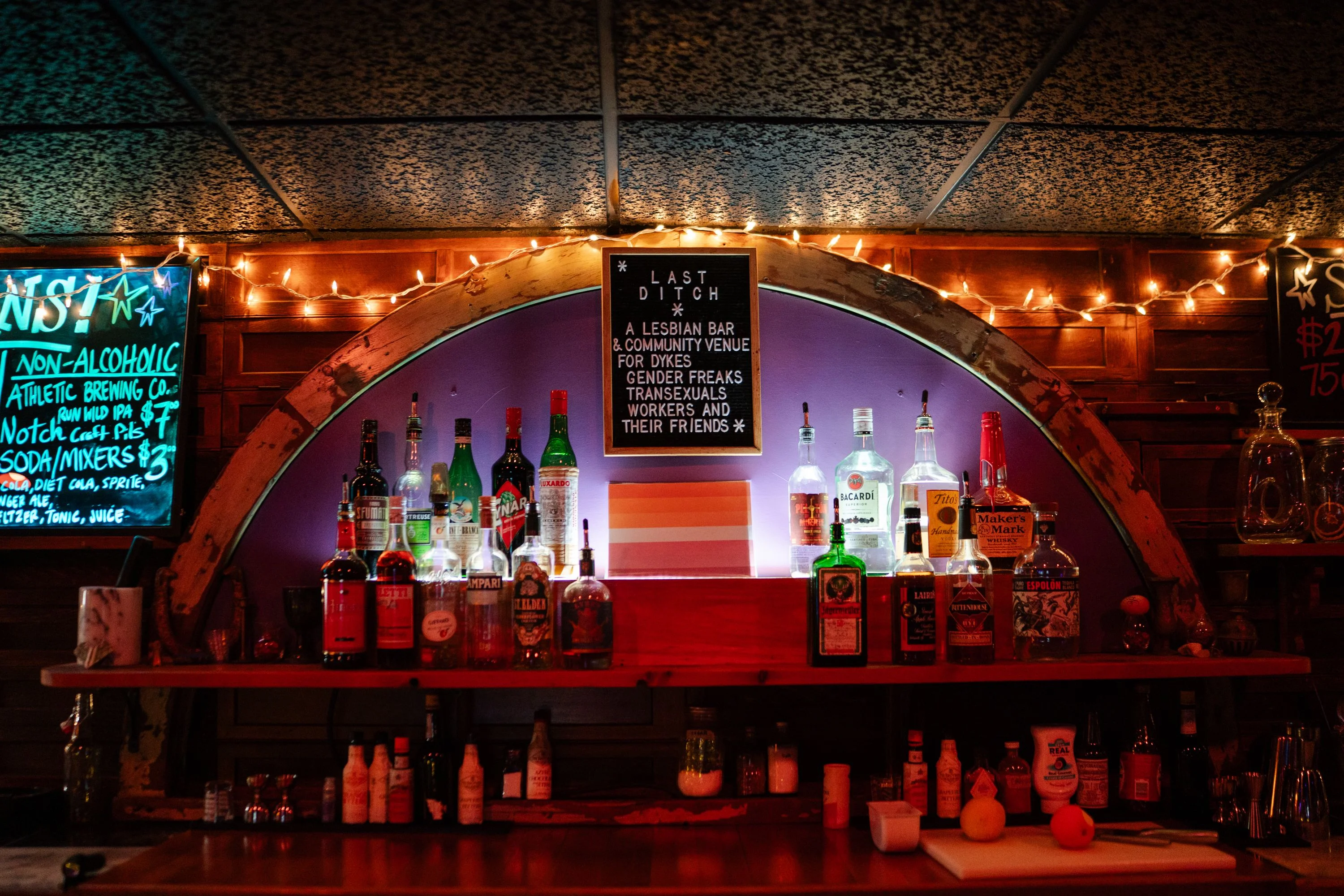
This week unveiled tensions within Last Ditch, a beloved lesbian bar located in Greenfield, Massachusetts. Struggling among a tough economic backdrop, the bar attempted to revive its customer base by announcing mask-optional nights, diverging from its previously strict COVID-19 health protocols. The shift prompted fierce backlash online, with heated comments surfacing about the impact on immunocompromised patrons. Social media has a way of amplifying such disputes, making them feel more immediate and visceral than they might in face-to-face discussions.
The operational decisions faced by Last Ditch are indicative of larger trends affecting many bars within the LGBTQ+ community. While the rise of online platforms has generated greater visibility for queer spaces, it has also heightened the stakes when it comes to public perception and health policies. This situation reflects a tension between economic survival and community health, a balancing act that many businesses are grappling with today.
The bar's operator faced significant scrutiny, leading to public mediation efforts and revealing a state of crippling debt. These challenges underscore that when institutions designed for community support falter, the impact resonates widely. Last Ditch’s troubles echo similar incidents in other LGBTQ+ venues, like the abrupt closure of Mina’s World in Philadelphia and the short-lived Doc Marie’s in Portland. These stories illustrate a concerning trend where LGBTQ bars grapple with sustainability against varying community expectations. It’s a troubling narrative that signals a broader struggle within spaces that have historically provided life and support to marginalized communities.
A Doordash Reckoning
Meanwhile, in another significant news story, Doordash recently agreed to a hefty settlement of $131.5 million with New York City, acknowledging past missteps in compensating their delivery workforce. The company admitted to underpayment issues that affected a significant portion of the labor force, with approximately 264,000 workers impacted by the settlement. This situation sheds light on the precarious nature of gig work, where many deliverers depend on fair compensation to sustain their livelihoods.
Doordash's pledge includes payments to those who were underpaid or delayed in payment, with some receiving substantial back pay upwards of $10,000. City officials have called this the largest worker settlement within the city's history, framing it as a pivotal moment in addressing gig economy concerns. However, one must question whether this settlement will sufficiently shift company practices or if it will remain an isolated incident. After all, this sector is notorious for its exploitative practices, raising concerns about long-term commitment to fair pay and worker rights.
Trade Wars Heat Up
On the geopolitical front, a trade war between the U.S. and Canada escalated, particularly affecting the whiskey industry. Following a series of tariffs implemented in reaction to mutual restrictions on alcohol imports, American whiskey has faced a total ban into Canada, set to take effect next week. While this decision has created a climate of uncertainty, loopholes remain in place for bulk imports, leaving some room for maneuverability in the market. However, these complexities may mask larger implications, as industry players scramble to adapt to rapidly changing conditions.
Iced Coffee Etiquette on Trial
An unexpected debate erupted on social media over the appropriateness of bringing iced coffee to job interviews. Spurred by a viral TikTok video, various opinions emerged regarding this seemingly trivial matter of interview etiquette. Some argue it's unprofessional, while others claim it’s merely a personal preference. To cut through the speculation, I consulted a professional for their insights on the subject. Click here to read her take. This highlights a more significant shift in workplace culture, where the intersection of personal branding and casual environments is increasingly blurred.
Future Outlook: Implications Beyond the Headlines
The implications of these stories extend well beyond their immediate contexts. For bars like Last Ditch, ongoing feasibility amidst ever-evolving community expectations signals a need for more dialogues between patrons and operators. Industry players in gig work, spotlighted by Doordash’s settlement, must maintain a vigilant eye on operational methods, especially as employment landscapes continue to shift. And the trade tensions create ripples that could reshape import-export dynamics well into the coming year.
What this means for you is simple: these developments reflect a convergence of economic, social, and cultural issues that will require adaptive thinking from those in the industry. Navigating these waters won't just entail reacting to trends, but proactively shaping them—something that demands both vision and empathy.
Discussion
Sign in to join the discussion.