Natalie Shapero's poem, "The Top of Hell," draws from personal experiences and mythology, blending physical depth with imaginative exploration.
 Photography courtesy of Natalie Shapero.
Natalie Shapero’s poem “The Top of Hell” appears in Fall issue no. 257 and explores both the nature of Hell and the unseen spaces surrounding it. It begins with a thought-provoking line: “It’s weird that Hades, when he dropped, / dropped only to the top of Hell.” This very query encapsulates the essence of her poetic exploration. In this edition of Making of a Poem, Shapero shares insights into her creative process—from binge-watching Arnold Schwarzenegger films to grappling with the conceptual properties of Hell.
Inspiration Behind “The Top of Hell”
Shapero's relationship with Greek mythology is atypical; she neither views it as a familiar muse nor frequently incorporates its themes into her repertoire. Yet, during her preparation for a spot on Jeopardy!, the mythology genre came into her focus. Recognizing this as a gap in her knowledge, she plunged into the subject matter, engaging deeply with various myths primarily to enhance her trivia prowess. “My partner was reading from the website, and I ended up guessing several wrong titles of Schwarzenegger's films before realizing the correct answer was Total Recall,” she recalls. That moment not only sparked the creative idea for her poem but also provoked a larger reflection on how pop culture intersects with classical narratives.
Writing Environment
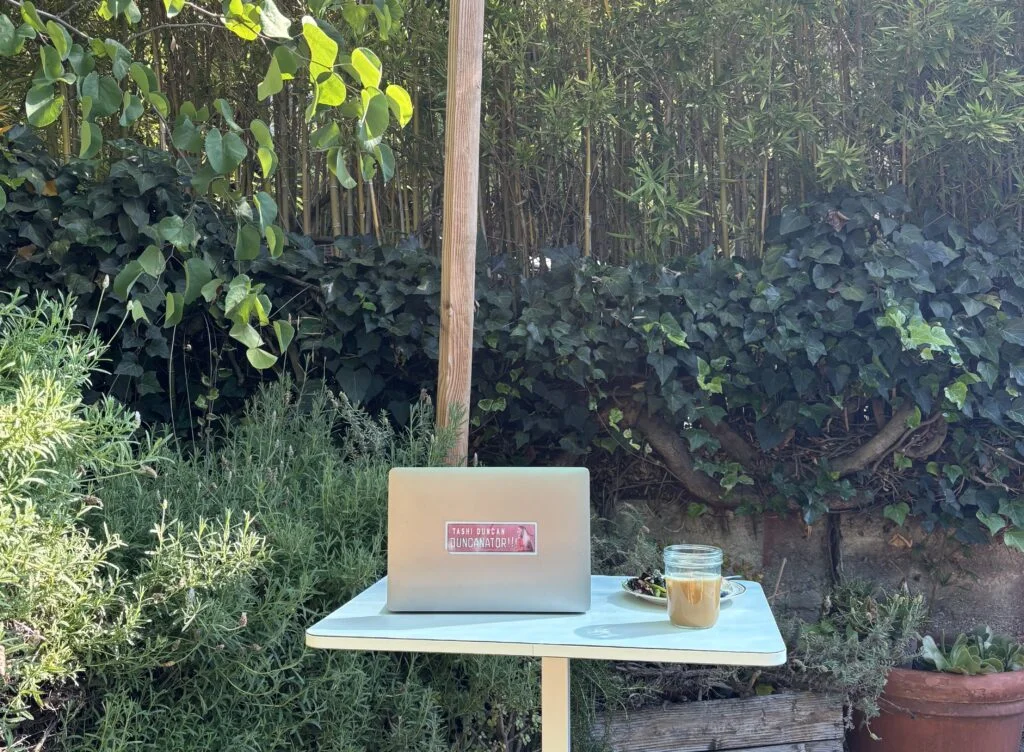
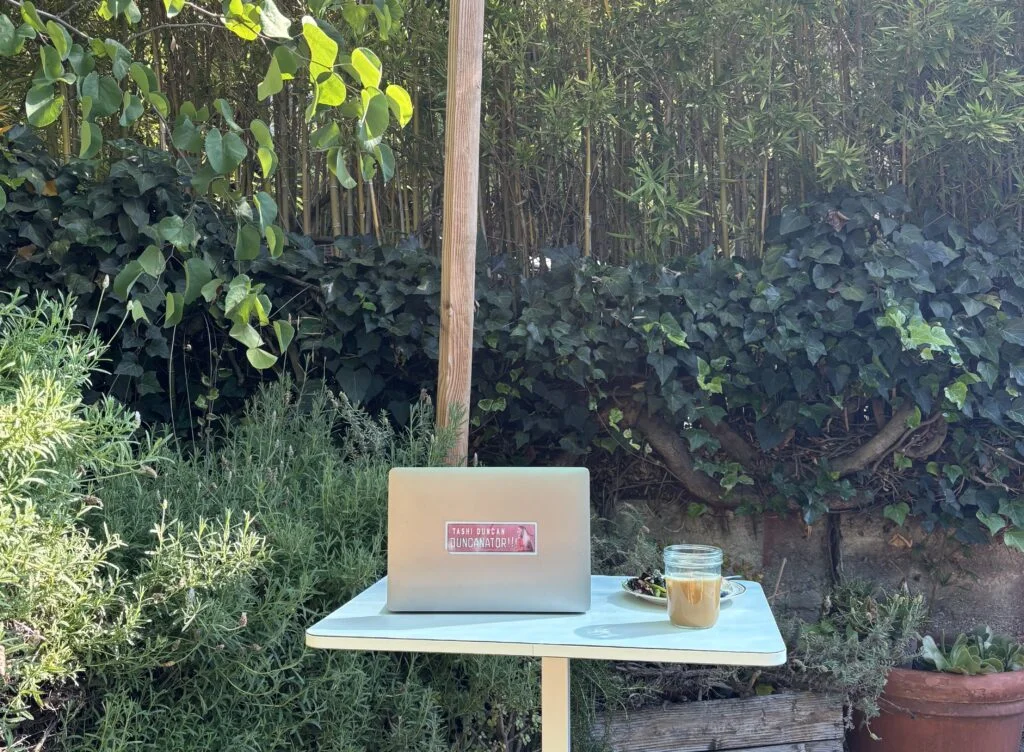
Writing is an act heavily influenced by surroundings. For Shapero, the outdoor setting she cultivates—complete with a standing desk in her backyard—provides an ideal blend of comfort and inspiration, distinctly shaped by the Southern California sun. “I often work accompanied by my dog who loves sunbathing,” she explains. This serene backdrop doesn’t just serve practical purposes; it symbolizes a balance between creation and leisure that many writers seek. It’s easy to overlook how such an environment can stoke creativity, yet many artists have revealed that physical spaces shape the works they produce in profound ways.
Challenges in Crafting the Poem
Writing isn’t always a fluid process; it's often fraught with challenges. Recently, as Shapero assisted her daughter with science homework, she found herself grappling with fundamental questions about the nature of existence, raising issues of tangible versus abstract representation within her poetry. In particular, defining the physical properties of Hell became a focal point of struggle. “A major challenge was conceptualizing mass and volume—how do you depict Hell physically?” she pondered, revealing her deep engagement with the poem's thematic weight. She wrestled with language choices, considering whether to use plunge all the way down or sink all the way down. That decision was more than stylistic; it became a gateway to the greater questions of descent itself—was it akin to falling into a manhole or through water? “I wondered what kind of resistance one might face,” she mused, hinting at the physical and emotional implications of such a descent.
Editing became an exercise in precision. In discussions with editors Chicu Reddy and Oriana Ullman, she engaged in critical conversations about the nuances of diction, such as settling on farther versus further. These deliberations underscore the care with which poets must approach their language, as a single word shift can transform meaning dramatically, making the creative process both exacting and enlightening.
Imagery of Descent
Imagery forms the backbone of Shapero’s work, and she seeks to evoke the sensation of descending into Hell with vivid comparisons to cinematic experiences, like astronauts being ejected into the void of space. This complex portrayal aims to resonate with audiences by invoking familiar visuals in an unfamiliar context, thereby linking mythic storytelling with what is undeniably human. She hasn't stopped there: Shapero also sketched plans for a follow-up poem that likens deep descent into Hell to the mission to Mars, suggesting an exploration of uncharted territory and the existential quandaries tied to finality. Such thematic depth not only illustrates her fascination with merging myth and human experience, but it also presents a challenge for both the writer and her audience—the need to confront what lies beneath the surface.
Implications of Shapero's Work
Shapero’s work doesn’t exist in a vacuum. What this means for you, the reader, is a chance to explore larger themes of existence, identity, and the unknown through her poetry. The subtle interplay between personal and cultural references allows for a dynamic exploration of complex emotions tied to our interpretations of the afterlife and beyond. By blending personal experience with broader cultural narratives, she compels the reader to consider their own relationships with mythology and the moments that shape their understanding of reality.
Natalie Shapero’s latest collection is titled Stay Dead.
Discussion
Sign in to join the discussion.