A quality grinder is essential for coffee enthusiasts, enhancing flavor and aroma by ensuring fresh, precise grinds tailored to any brewing method.
Understanding the Essential Role of a Grinder in Coffee Preparation
If you’re serious about coffee, your setup must include three key components: a quality coffee maker, fresh whole beans, and an excellent grinder. Forget about that dusty pre-ground coffee on the grocery store shelf—it won't cut it.
Grinding coffee fresh is crucial. When you grind beans, their myriad tiny surfaces are exposed to oxygen, triggering oxidation that diminishes the flavors and aromas we crave. The only way to truly enjoy the complexity of a well-brewed cup is to grind your beans just before brewing. Over the years, I’ve come to realize that even the most expensive espresso machine is rendered ineffective if the beans aren’t fresh.
The price of a burr grinder, which is my recommended choice, can vary significantly. They operate by crushing beans between two metal or ceramic burrs, delivering a consistent grind size crucial for optimal extraction. In contrast, electric blade grinders indiscriminately chop beans, resulting in uneven grind sizes that can ruin a good cup of coffee.
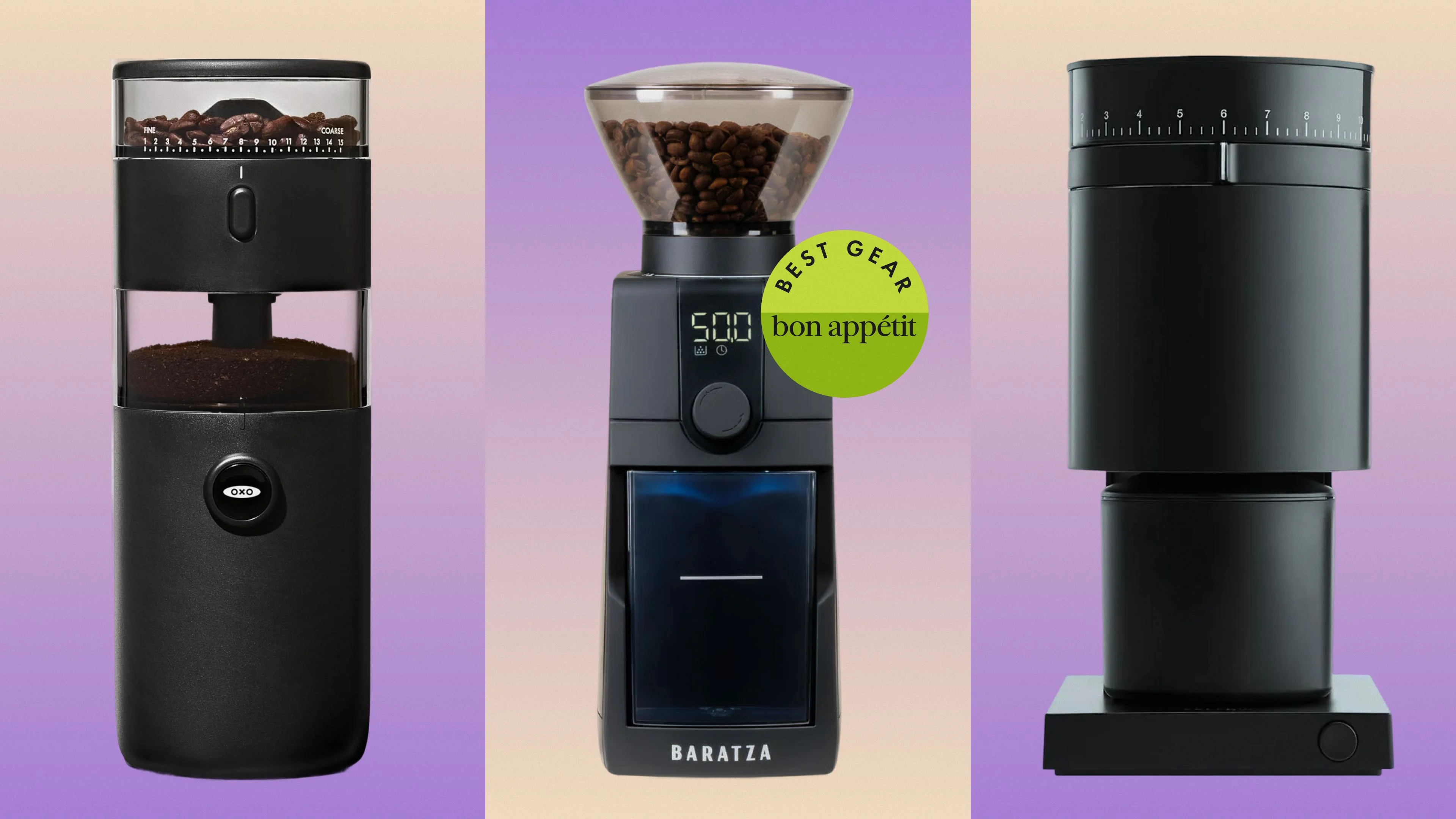
While high-end grinders, like a $1500 model I tested, offer exceptional performance, quality doesn’t have to break the bank. For everyday coffee enthusiasts, I honed in on reliable burr grinders priced under $400—adequate for sustaining a regular coffee routine without straining your wallet. After testing numerous models, I've identified four standout options that deserve your consideration.
New Findings in the Coffee Grinder Market
I have recently spent substantial time with the Fellow Opus 2, and I can confidently say it has earned the title of my top pick thanks to its impressive balance of performance and affordability. This update also includes insights from my long-term testing of grinders I've been using for over a year, providing a clearer picture of durability and user experience.
If you’re in the market for a grinder, here’s a breakdown of the best options available today:
Choosing the right grinder is more than just a preliminary step in coffee preparation; it’s integral to unlocking the full flavor potential of your beans. Understanding both the technology behind grinders and the importance of freshly ground coffee can significantly elevate your home brewing experience.
What We Love About the Opus 2
The Fellow Opus 2 is an impressive update that builds on the strengths of its predecessor. This grinder shines in its versatility, catering to a range of brewing methods without straining your wallet. One standout upgrade is the transition from a stepped adjustment to a stepless adjustment. This new mechanism allows users to make minute changes to grind size, enhancing control over the brewing process. Additionally, Fellow has enlarged the burr from 40mm to a hefty 48mm, significantly improving grind retention, which now barely retains .1 grams of coffee across various settings. That's a notable improvement for those who value precision.
What really sets the Opus 2 apart, though, is its design as a single-dose grinder. By grinding only what you need for each use, it encourages better bean storage practices. This is a game-changer if you’re living with a partner who prefers a different roast; the Opus 2 lets you customize your grind without worrying about cross-contamination of flavors.
One of the most impressive features added to this model is the auto-stop function. After the last of the coffee is ground, the Opus 2 shuts off automatically, preventing damage from an idle motor. This feature is especially useful for single-serves, eliminating the hassle of waiting for the grinder to finish its cycle when there’s nothing left to grind. It’s a thoughtful addition that speaks to Fellow's commitment to user-friendly design.
What We’d Leave Behind
However, it’s important to acknowledge where the Opus 2 falls short. While it packs in significant features, the materials used—primarily lightweight plastics—do detract from its overall premium feel. It’s a budget-friendly option, but that affordability comes at the cost of durability.
Moreover, my experience with two different units highlighted some reliability issues. The first Opus 2 I tried had a problematic adjustment wheel that shifted during operation. Although Fellow addressed this concern promptly, sending a replacement, it raises questions about quality control in early productions. Many early users reported similar frustrations, although Fellow seems to have remedied these glitches in subsequent batches.
In a market crowded with options, the Opus 2 does an admirable job at a competitive price, but it’s essential to weigh its performance against its construction quality.### Looking Ahead: The Future of Affordable Coffee Grinding
As we've seen with Oxo's Brew Compact Conical Burr Coffee Grinder, the realm of budget coffee grinders is evolving rapidly. At a price point of just $80, this device is not just another entry in the crowded marketplace; it's a strong contender that pushes the boundaries of what you can expect for less than a hundred bucks. If you’re working within tight budgets in the home appliance sector, this product reshapes those expectations.
This grinder packs a punch for its size. It doesn’t just produce a consistent grind—vital for optimizing flavor extraction—but also offers versatility with 29 distinct grind settings ranging from espresso fine to French press coarse. In fact, for anyone who’s tried to shop for quality grinders in this price range, the grind retention and performance here are noteworthy. Less than a gram of coffee lost during a fine grind? That’s impressive by any standard.
However, it’s not all smooth sailing. While the compact design is a boon for kitchens of all sizes, the lack of a dosing mechanism is a noticeable omission. You’ll need to manage your grind time manually and guesstimate if you’re looking for less than the full six cups of coffee it can provide. This could be a dealbreaker for some, especially those who favor precision in their morning routines.
So, what does this mean for consumers? While Oxo has positioned itself to capture an underserved niche in the market, the lack of automation may deter users accustomed to more feature-rich options. This could create an opportunity for competitors to step in and fill that gap.
The takeaway here is clear: as consumer demands for affordability collide with aspirations for quality, products like Oxo’s grinder pave the way forward. They challenge conventional wisdom that you need to spend heavily to get great results. Moving forward, it'll be fascinating to see how brands react: Will we see more advancements in budget-friendly appliances, or will they balk at the risk and cling to their higher-priced offerings? Whatever happens, the conversation surrounding affordability and quality in coffee grinding is just beginning.
Discussion
Sign in to join the discussion.