Descaling is vital for prolonged appliance life and performance, especially in areas with hard water. Discover how to make an effective DIY solution with citric acid.
Understanding the Importance of Descaling
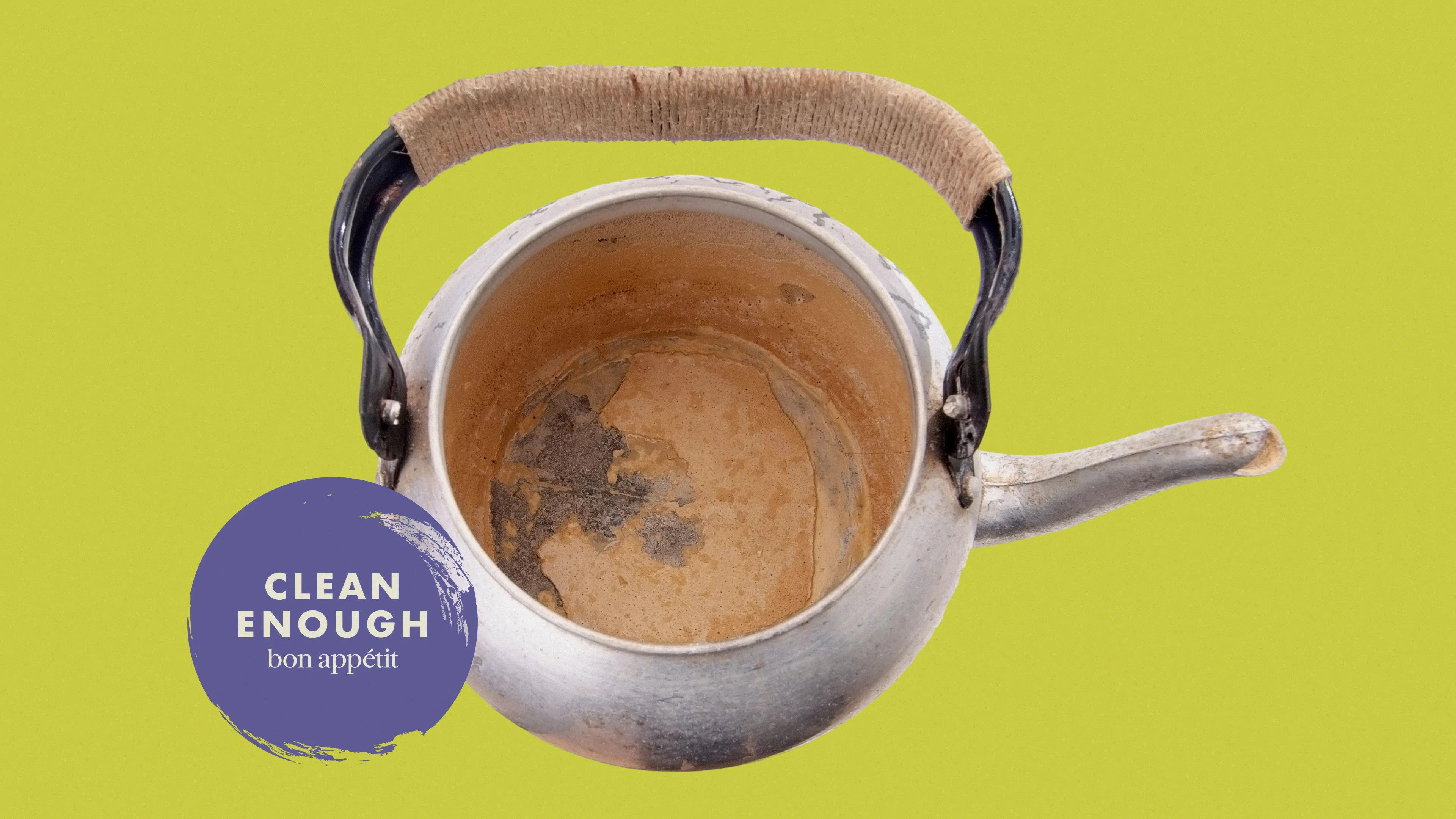
Descaling isn’t just a housekeeping task; it’s an essential maintenance procedure for anyone using small appliances that depend on water—think espresso machines, ice makers, or combi ovens. Over time, mineral buildup from hard water can wreak havoc on the interiors of these devices, leading to underperformance or even permanent damage. If you neglect this aspect of appliance care, you'll likely discover significant build-up that not only affects performance but also could result in costly repairs or replacements. At first glance, descaling might seem confined to the interiors of machines, but that’s a limited perspective. There are often concealed areas in your kitchen that also need attention but may not be on your radar. The accumulation of alkaline minerals tends to manifest conspicuously around faucets, water dispensers, and even on the bottom of tea kettles. This type of buildup is particularly troublesome if you live in an area with hard water – those whose homes tap into mineral-rich municipal systems should be especially vigilant.What is Descaling Solution?
Descaling solutions operate on a straightforward principle: they’re acidic compounds designed to combat alkaline mineral deposits. The reaction dissolves the buildup found in places where tap water habitually pools or runs. This situation is common not just in pipes but also at faucet bases and around water dispensers, creating unsightly, chalky deposits. If you’re unsure about the mineral content of your water, check out a helpful [U.S. Geological Survey map](https://www.usgs.gov/media/images/map-water-hardness-united-states), or consider getting a home water testing kit.Crafting Your Own Descaling Solution
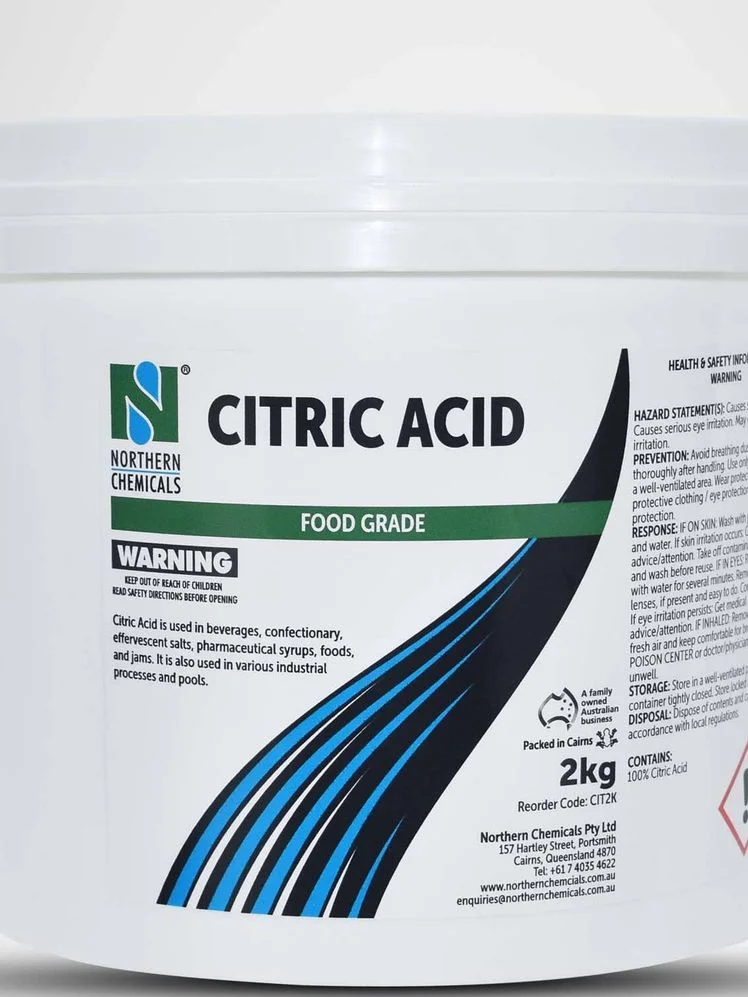
Here's the good news: making your own descaling solution is not only feasible but also more cost-effective than buying commercial options. If you’re in the habit of spending money on branded descalers, you’re likely wasting your cash. The essential components are simple: you need an acid—like distilled white vinegar or citric acid—and water. For an ideal DIY solution, citric acid often comes out on top. It’s a dry powder that’s easy to store and has a much milder scent compared to vinegar, which some people find off-putting. Besides its cleaning prowess, citric acid carries certain antibacterial properties—though it shouldn't be relied upon as a disinfectant. If you prefer convenience, citric acid is readily available online or at your local store. Whether you're addressing mineral deposits in your coffee machine or cleaning up around your kitchen faucets, understanding descaling is key for maintaining not only the longevity of your appliances but also the overall cleanliness of your space. This can have substantial benefits—saving you time, money, and frustration in the long run.Pricing and Purchasing Options
In the current market, bulk citric acid is available at various price points. The most competitive offering lists it at $14, now reduced to a remarkable $11 — that’s a tempting discount of 21% for customers looking to buy in larger quantities. For those seeking smaller portions, a convenient alternative is a gallon of distilled water, priced at just $3 on [Amazon](https://www.amazon.com/Pure-Life-Distilled-Water-Gallon/dp/B0BFK1C5LB), making it a practical choice for users who prioritize quality and affordability.
What’s particularly appealing about this citric acid offer is not only the reduction in cost, but also the convenience of online shopping. You can find the product and make your purchase hassle-free with just a few clicks. Here’s the direct [link to the bulk citric acid](https://shop.com/products/6756677386411/citric-acid-bulk) listing, where you can explore this and more options for descaling solutions. Remember, using distilled water instead of tap water yields better results, as it prevents mineral buildup, which can afflict small appliances.
Discussion
Sign in to join the discussion.