Geoffrey O’Brien’s poem “Ray of Light,” dedicated to his late friend Joshua Clover, captures themes of loss, legacy, and the complexities of memory.
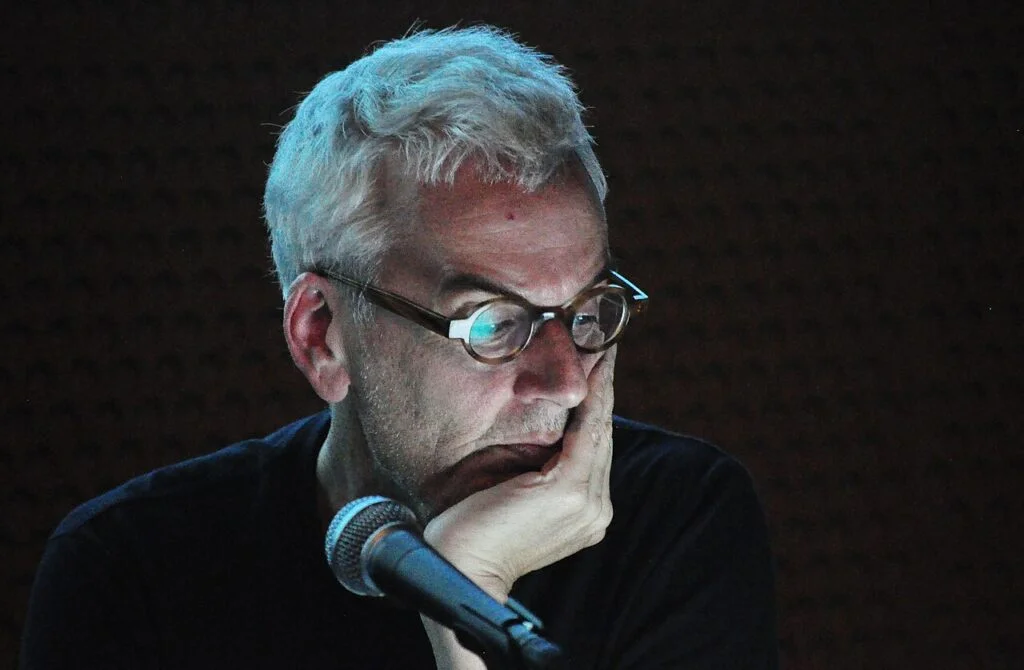
Geoffrey G. O’Brien's poem “Ray of Light,” featured in the latest Fall issue (no. 257), pays tribute to Joshua Clover, who passed away at sixty-two. Clover, a multidimensional figure in poetry and academic discourse, wove political critique and cultural elements into his work. O’Brien echoes Clover’s intricate relationship with art by stating, “Again you sing how / Music and poetry lie / Between joke and gift, idea and gun,” highlighting the tension between forms of expression.
O’Brien, who is married to Hannah Zeavin, founder of Parapraxis, looks back on a poignant exchange with Clover shortly before his death. Zeavin recalls Clover's remark, “We all know that the poems get worse after analysis, Hannah,” referencing the challenges of dissecting poetry. O’Brien's approach in the series Making of a Poem encourages poets to share insights about their writing process, allowing a glimpse into O’Brien's creative connection with his late friend.
Friendship and Mourning
Can you share your connection to Joshua Clover and his influence on this poem?
Joshua and I shared over thirty years of friendship, marked by a significant rift that ultimately made our reunion more meaningful. When I received the news of his passing early on April 27, 2025, I was blindsided; he had been coping with a mysterious illness. After processing that heartbreak, I found myself compelled to write the poem, capturing my elegiac instinct and reflecting on his legacy.
The Genesis of the Poem
What was the starting point of “Ray of Light”? Was it an idea, an image, or a particular phrase?
The poem opens with the word “Left,” which serves multiple purposes—it acknowledges Joshua’s absence while also representing what he contributed to the world: his dreams for a better future. Beyond its immediate meaning, “Left” encapsulates Joshua's radical ideology, refusals of contemporary norms, showcased through his poetry and activism. With that first word, I aimed to convey a spectrum of meanings, drawing readers into a dialogue with that complexity.
Artistic Influences
While you were writing, were there specific influences from music, literature, or film that shaped your work?
Joshua had an uncanny ability to merge various music genres with his writing. He meticulously crafted critiques of music and popular culture, often revealing their deeper socio-political contexts. While he embraced these materials, I personally find it challenging to incorporate corporate influences when writing. However, references in the poem connect to Joshua’s works and philosophies, including echoes of his earlier poetry collection, Madonna Anno Domini, and his final unfinished manuscript.
Writing Experience
Where did you write this poem, and how was that experience?
I composed it on my bed, a space often distant from the demands of daily life, allowing me to access my thoughts away from conventional distractions. This isolating environment created the right mindset to reflect on my loss and capture it in words.
Was the drafting process straightforward, or did it present challenges for you?
To say it came easily would be misleading; it emerged quickly, yet it felt like an instinctive response. The poem includes a line where the syntax rearranges to convey the weight of what I lost with Joshua’s passing. Through this structure, I grapple with the loss while seeking a connection to his memory—trying to find solace in the residual presence of our shared experiences.
Challenges in Elegy
What unique challenges did you encounter in crafting an elegy?
With any poem, the conclusion is a pivotal concern, but in elegy, it becomes especially poignant as you are left with the act of ceasing to speak to the one you’ve lost. The final line, “Our enemy has no shape,” speaks to the intangible nature of grief and the challenges that remain ahead. This intertwines Joshua’s insights on capitalism within a collective expression of mourning, punctuating the struggle and momentum he infused into his art.
Interestingly, “Ray of Light” in its title resonates with discussions Joshua had with Hannah in the days preceding his death, where they reflected on a specific song by Madonna. This poetic nod serves not only as a personal tribute but also recognizes the multifaceted nature of cultural critique that he embodied.
Geoffrey G. O’Brien is a published author with five poetry collections and serves as a professor of English at UC Berkeley.
Discussion
Sign in to join the discussion.