Editors tested 200+ kitchen products and picked 20 standouts, from KitchenAid's Artisan Plus mixer to clever, genuinely useful redesigns.

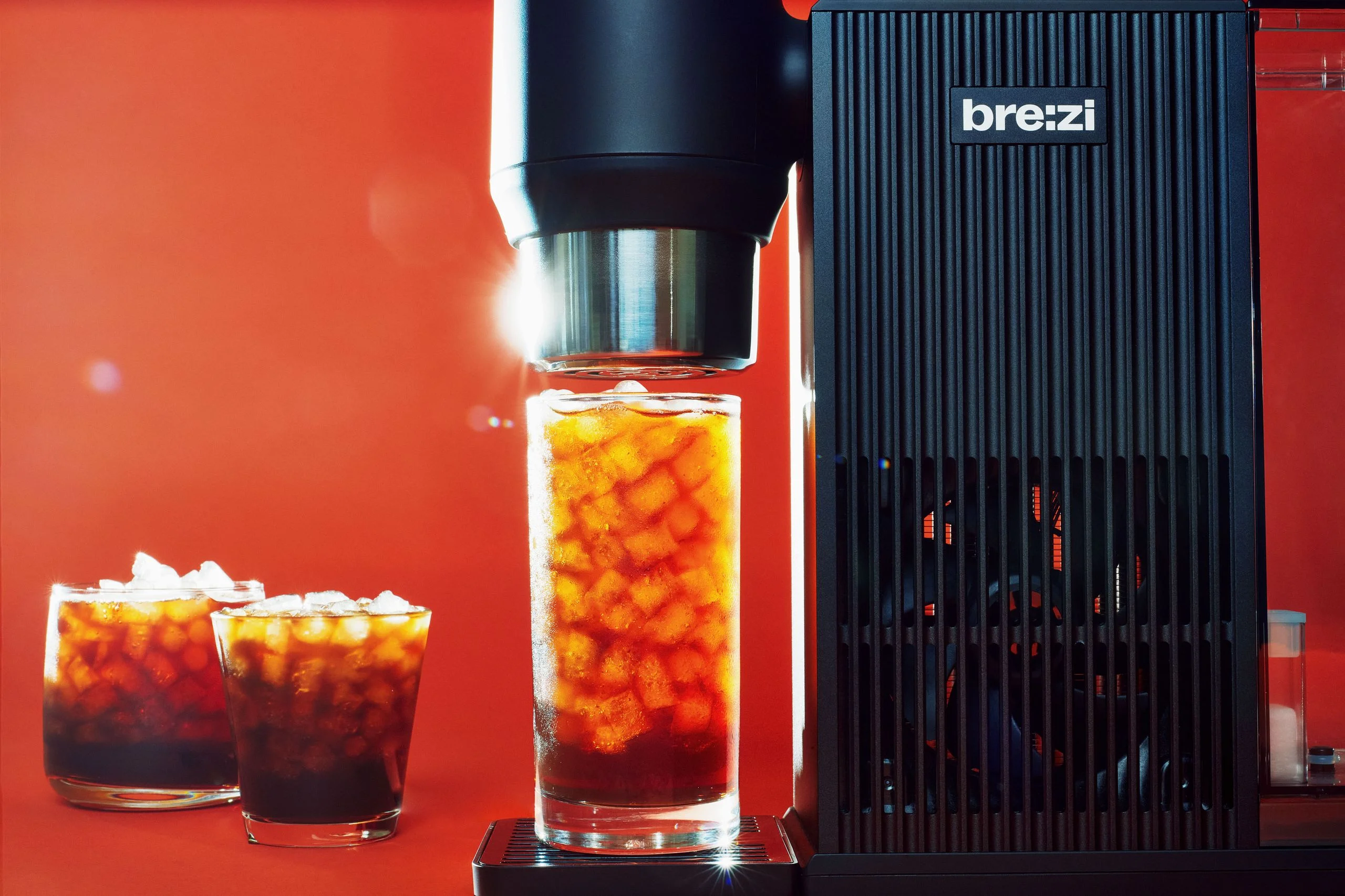
Photo by Travis Rainey, Prop Styling by Erica Lutz
Spend enough hours testing pans, knives, and air fryers and you'll arrive at an uncomfortable conclusion: making kitchen gear that's both new and genuinely good is hard. I've reached that conclusion after six years reviewing shopping categories for a living. A nonstick surface can only get so slick. An appliance can only pick up so many presets before the menu becomes a nuisance. Still, brands keep trying to improve their products every year, and a handful of them actually pull it off.
How the 20 Picks Were Chosen
This is our second annual Gear of the Year list, and it comes out of months of cooking, searing, and mixing in our test kitchen. We considered more than 200 appliances, cookware pieces, tools, and containers. Twenty made the cut. The ones that impressed us range from cheap, simple redesigns that are simply clever to smart appliances that are actually smart, rather than smart in name only.
Noah Kaufman, senior reviews editor
The eligibility rules are strict. Products had to launch between January 2025 and September 2026 and be available to buy this year. New colorways of existing products, with no changes to features or performance, didn't qualify. Testing also varies by category, since a stand mixer and a pair of tongs need very different scrutiny. The winners are listed alphabetically within each category, not ranked, so don't read the order as a verdict on which one is best.
Appliances
KitchenAid Artisan Plus Stand Mixer
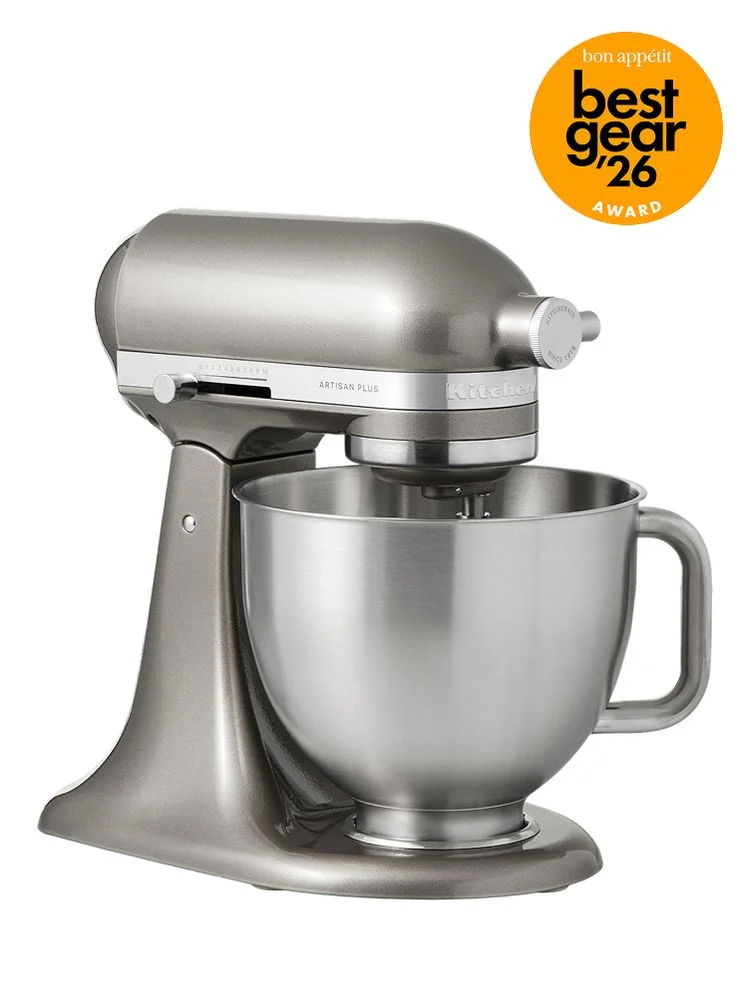
KitchenAid has a reputation to protect. Its stand mixer is practically the default answer to the question of what a serious baker should own, so the Artisan Plus carries a lot of history. It's the brand's biggest upgrade to its tilt-head mixer since 1955, and the first new addition to the stand mixer lineup in decades. It doesn't just coast on that legacy. The mixer keeps the iconic tilt-head design and adds precision speed control, a more powerful motor, and a bowl light. The stainless-steel accessories also look and feel more upscale, which matters more than it sounds, given the ongoing online complaints that some newer KitchenAid models have shifted from metal to plastic parts.
It's a sharp answer to rivals like Breville, which have spent recent years packing their mixers with new features. KitchenAid's approach is more restrained, and that's a strength. The Artisan Plus still works with the brand's large library of attachments, so the same machine can churn ice cream, grind meat, roll pasta, or turn zucchini into zoodles. The catch is the price. At $600 at Williams Sonoma, this is a serious purchase, and the plastic-versus-metal question is one the company will need to answer clearly if it wants long-term buyers to trust the premium accessories.
## Fellow's Espresso Series One: Easy Shots, Deep Controls Espresso machines tend to fall into two camps. Some are push-button appliances that never ask you a question. Others are beautiful objects that punish you for every wrong grind setting. Fellow's Espresso Series One, the company's first espresso machine, straddles both. Let it guide you and it walks you through an almost automatic routine that pulls coffee-shop-quality shots and cappuccinos. Dig into the menu and it opens up: pressure profiles, brewing temperatures, and extraction times, all adjustable. 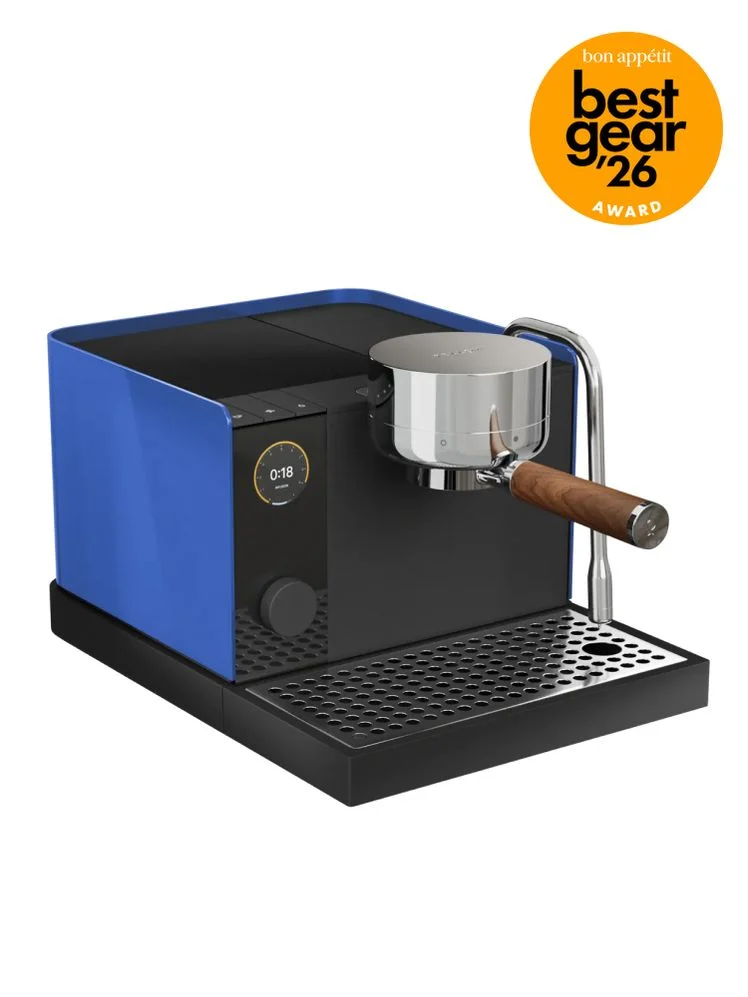 The hardware targets the annoyances that nicer home machines tend to ignore. A small boiler inside the grouphead heats up in a fraction of the time many high-end machines need. Some of those make you wait around 20 minutes for a shot, which is a long time to stare at a counter. The body is squat enough to fit under kitchen cabinets while leaving room to reach the water reservoir, so you won't be dragging the whole machine across the counter to refill it. That sounds trivial until you do it every morning. At $1,500 from [Amazon](https://www.amazon.com/clp/B0F816QX9R), this is not a casual purchase. That price has to be earned through daily use, not spec-sheet bragging rights. The Series One's real trick is range. A beginner can stay on automatic and still get good results. Someone who wants to tinker can go deep into the settings. Few machines manage both, and that breadth is why its potential audience is wider than most home coffee makers can claim. Whether that holds after the novelty fades is a question I'd want answered over months, not a week at the counter. ## Vitamix VX1: Cheaper and Stronger Than the 5200 Vitamix sits at the top of the blender market, and its prices reflect that. So the VX1 matters. The brand's newest full-size model costs less than our longtime favorite, the iconic 5200, and it's the more powerful machine. Its 2.2-hp, 1,440-watt motor edges out the 5200's 2 hp and 1,380 watts. Footprint, shape, and volume are nearly identical, so you won't need to rethink your counter space. It's available from [Amazon](https://www.amazon.com/clp/B0G6FR8V9Y) for $380. 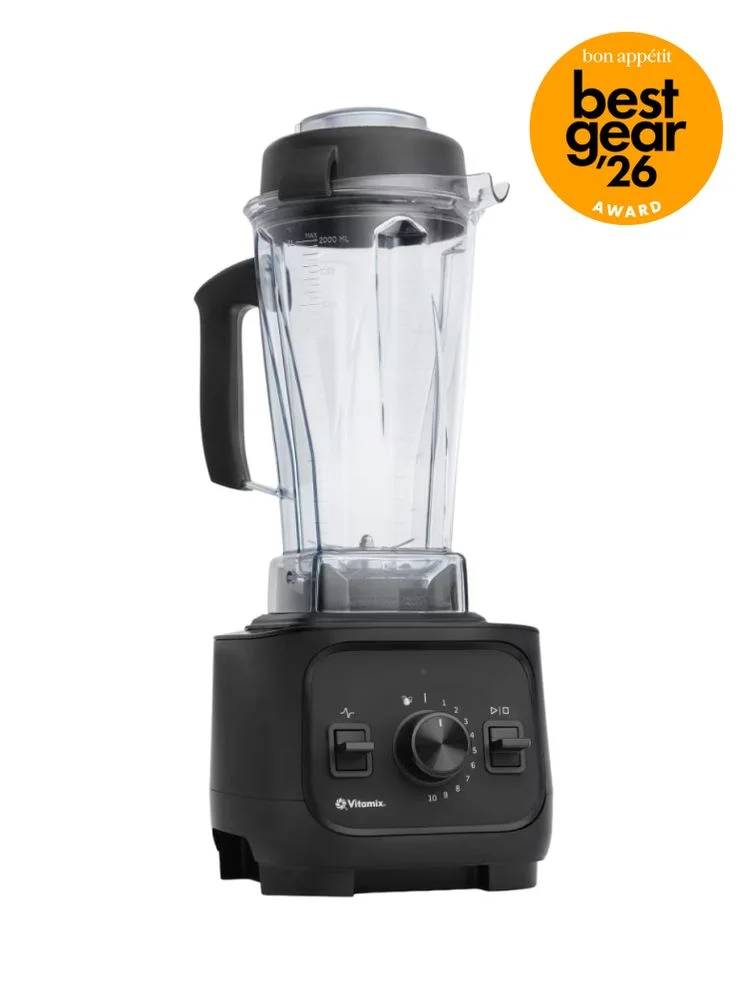 The performance comes from the tapered base of the container, which creates a strong vortex. Fibrous, stubborn ingredients like raw nuts, whole citrus, dates, and thick kale leaves get pulverized. In wider containers, those same ingredients can sit just beyond the blades' reach. In my testing, the VX1 produced some of the silkiest smoothies I've ever tasted. I also appreciate its old-school design. A dial and switches replace a touchscreen that can act up, along with a row of presets most people never touch. It's our new go-to recommendation for most home cooks and anyone buying their first Vitamix. The Nano is a different case.Vitamix finally has a personal blender
Vitamix already appears elsewhere on this list, and that could look like a free pass. It isn't. Until this year, the brand simply didn't sell a personal blender. The Vitamix Nano fills that gap, and it clears a high bar.
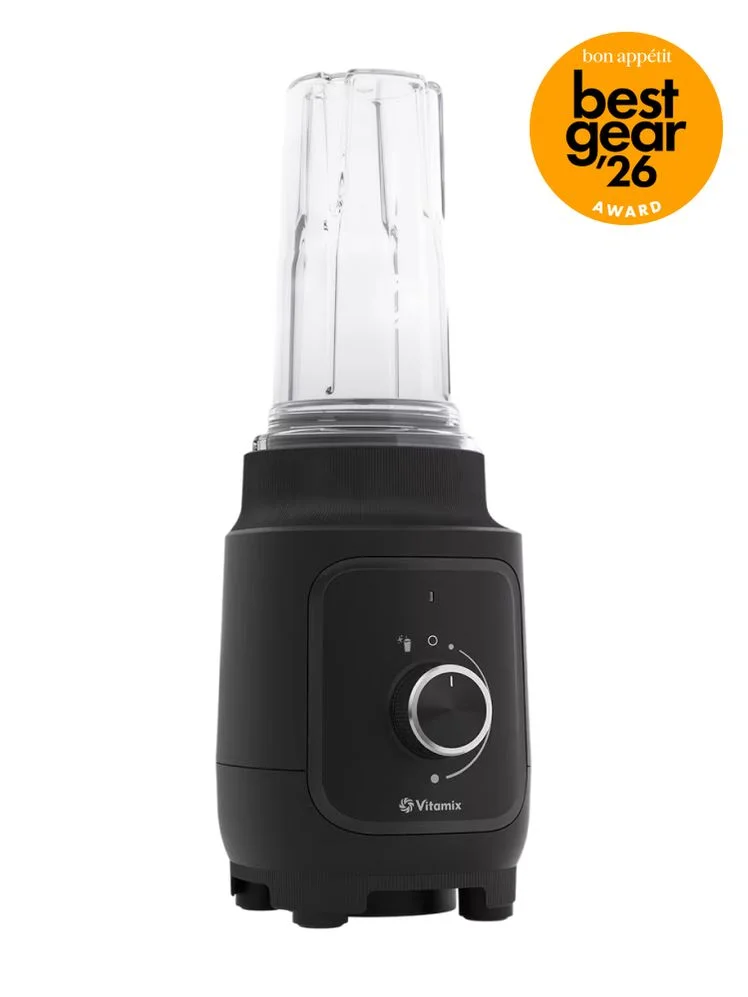
The 1,000-watt motor is the headline spec, but the smoothies are what stick. The reviewer has made a lot of smoothies, and this one was the smoothest they've produced.
The dial is the real differentiator
Most personal blenders offer a motor and a button or two. The Nano's variable speed control sets it apart. Turn the dial and you blend at whatever speed you want, not just a preset. That makes it more versatile than any other personal blender the reviewer has tried.
The design finishes the pitch. It's sleek and intuitive, the kind of appliance that earns a permanent spot on the counter rather than a cabinet shelf. At $200 on Amazon, it's a straightforward buy if you want a small blender that doesn't feel like a compromise.
Ninja's Crispi trades counter space for range
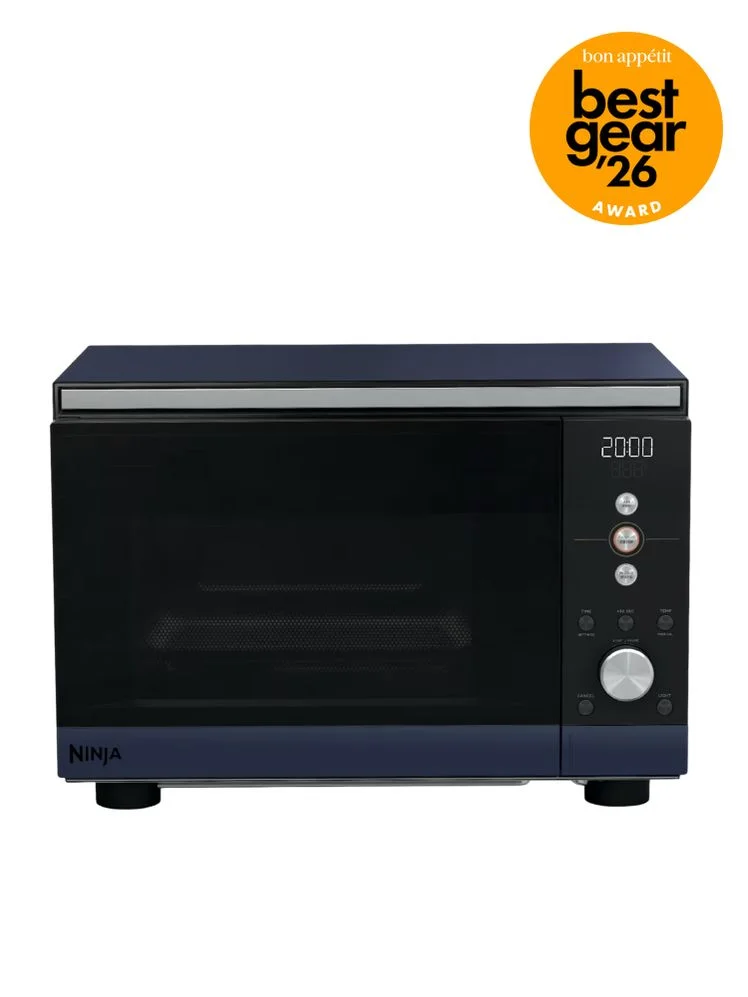
The next pick is the Ninja Crispi, a countertop unit that combines a microwave and an air fryer. It's listed at $449 on Amazon, which makes it a much bigger commitment than the Nano. If you're deciding between one multipurpose machine and two separate appliances, that price and footprint are the trade-off to weigh.
The pattern across this year's picks is clear enough: the best new kitchen gear is the stuff that does one job better than before. The Nano makes a strong case for that idea, and the dial is the reason why.
Discussion
Sign in to join the discussion.