Andy Baraghani's Ditto café near Union Square pairs seasonal vegetables with Persian flavors, tartness, and a bold, clear point of view.

A restaurant built around a point of view
Andy Baraghani says stagnation scares him more than death. He draws a sharp line between being stuck and being still: one is a stagnant pond, the other a kind of meditation. On a chilly autumn morning in his Manhattan kitchen, he’s in no danger of standing still. He’s developing date-and-lemon scones for [Ditto](https://www.instagram.com/ditto.newyork/), the café he plans to open near Union Square, and we’re about to leave for cream. Before we go, he crosses the kitchen to a Crittall-style window. Baraghani lives with his husband, Keith Pollock, a few blocks from the Union Square Greenmarket. Nearby, peppers are spread across market tables in bright, varied piles; on his own counter, heirloom tomatoes sit beside shallots in a Swid Powell bowl. “Torpedo shallots,” he says when he catches me looking. Even the alliums seem to have been cast for the setting. That carefully composed kitchen reflects a larger truth about Baraghani’s public image: he’s become a standard-bearer for seasonal cooking and the pleasures of making it beautiful. His following has grown well beyond the food-obsessed audience that first knew him as a video presence. His debut cookbook,The Cook You Want to Be, became a New York Times bestseller and won a James Beard Award. He has more than 370,000 followers across Instagram and TikTok, and [Out called him “the Internet boyfriend of our dreams”](https://www.out.com/print/2020/2/17/how-andy-baraghani-became-internet-boyfriend-our-dreams). Vogue covered his wedding; the New York Times published his ideal Thanksgiving menu.
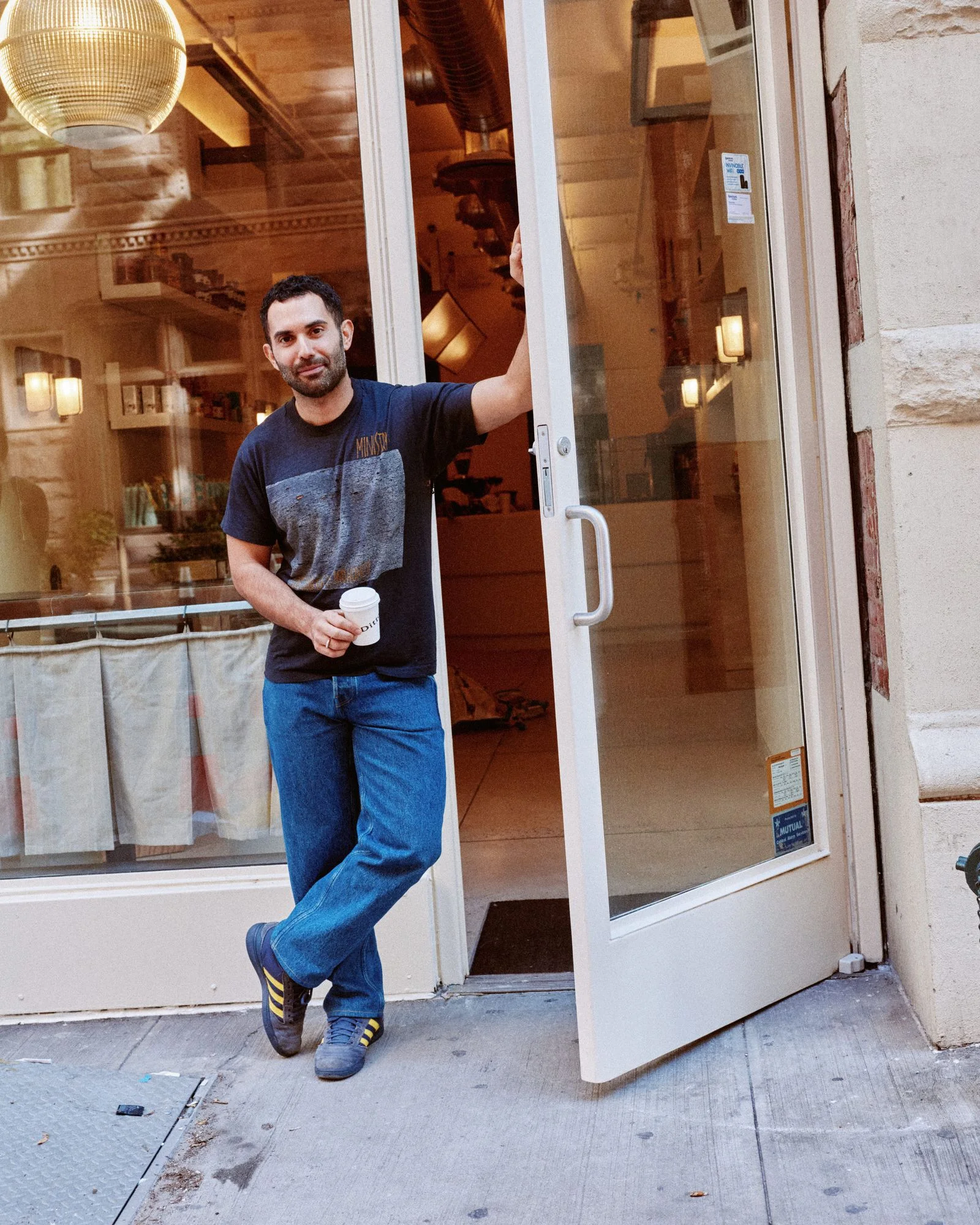 The attention can make his life sound like a carefully managed food-world spectacle. In the past day, he’d beaten creative director Terrence O’Connor for Best Body at the podcast How Long Gone’s first “Goneies” awards, after revealing a pink, formfitting Versace tank top beneath his blazer. He’d also run into David Tanis while grocery shopping. Yet there’s a plain confidence beneath the performance. Asked about juggling Ditto’s opening, a second cookbook shot at home, and a renovation downstairs, Baraghani says he feels calm: if something goes wrong, he believes he can fix it because he knows what he wants to achieve.
He has spent years making room for disagreement in his recipes. In The Cook You Want to Be, he writes, “I know that my food may be a touch too lemony for some,” and acknowledges using “a ridiculous amount of herbs.” Ditto, he suggests, will make that point of view more explicit. The dishes will pair seasonal vegetables with Persian influences, tartness and fragrance, and a clear sense of taste. Baraghani’s best work often takes a familiar dish a little off course: a few degrees sharper, more vivid, more arresting than expected.
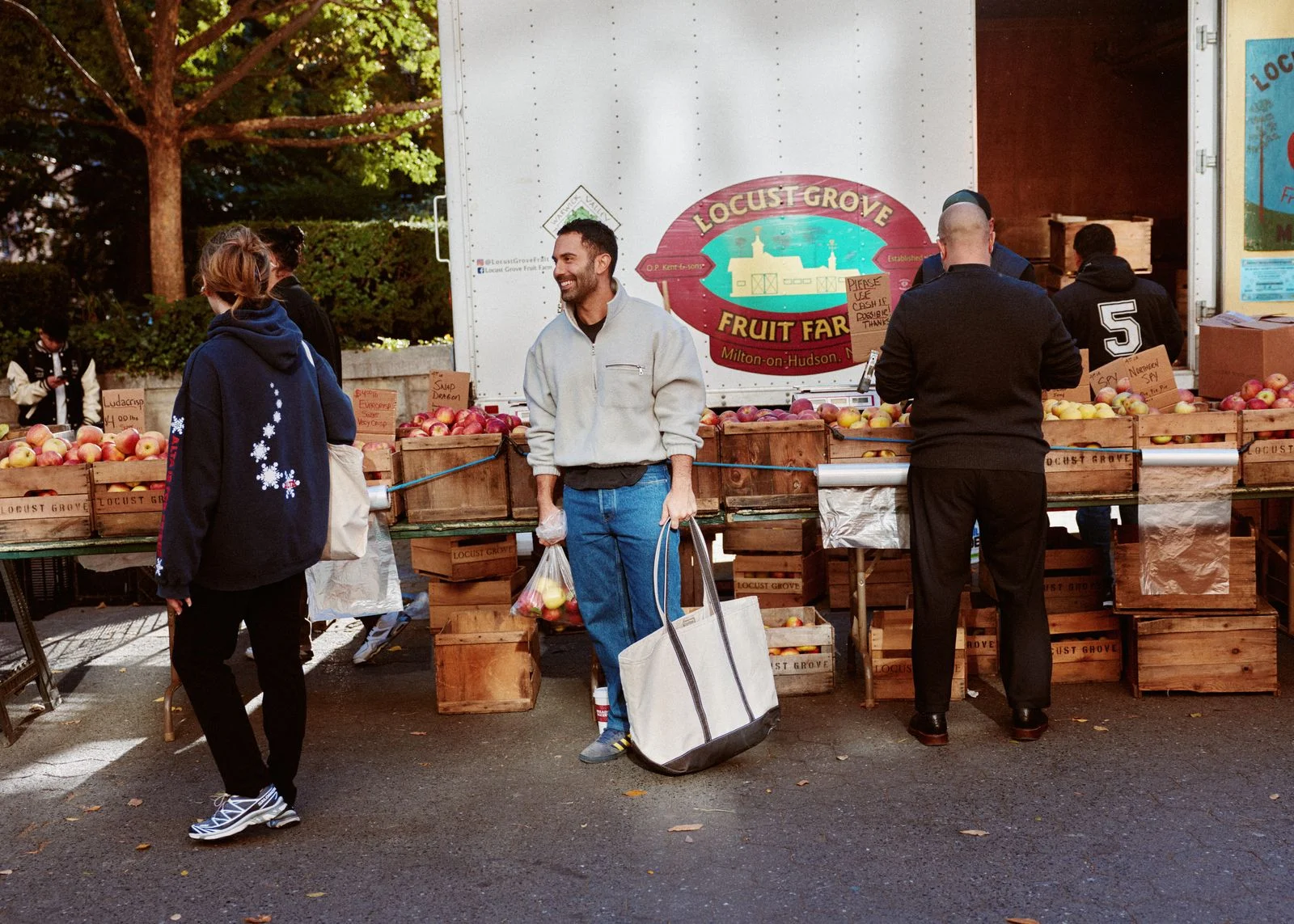
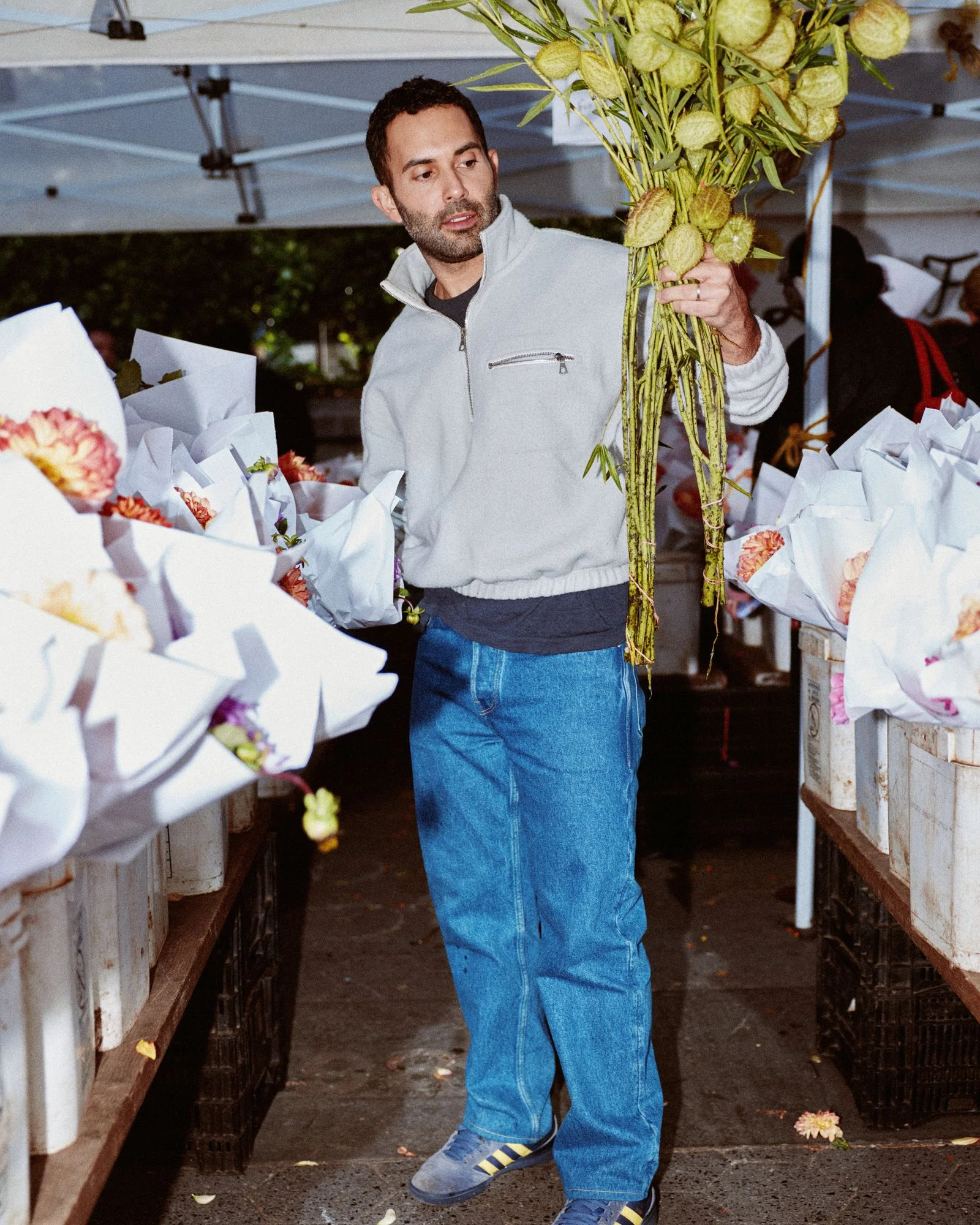
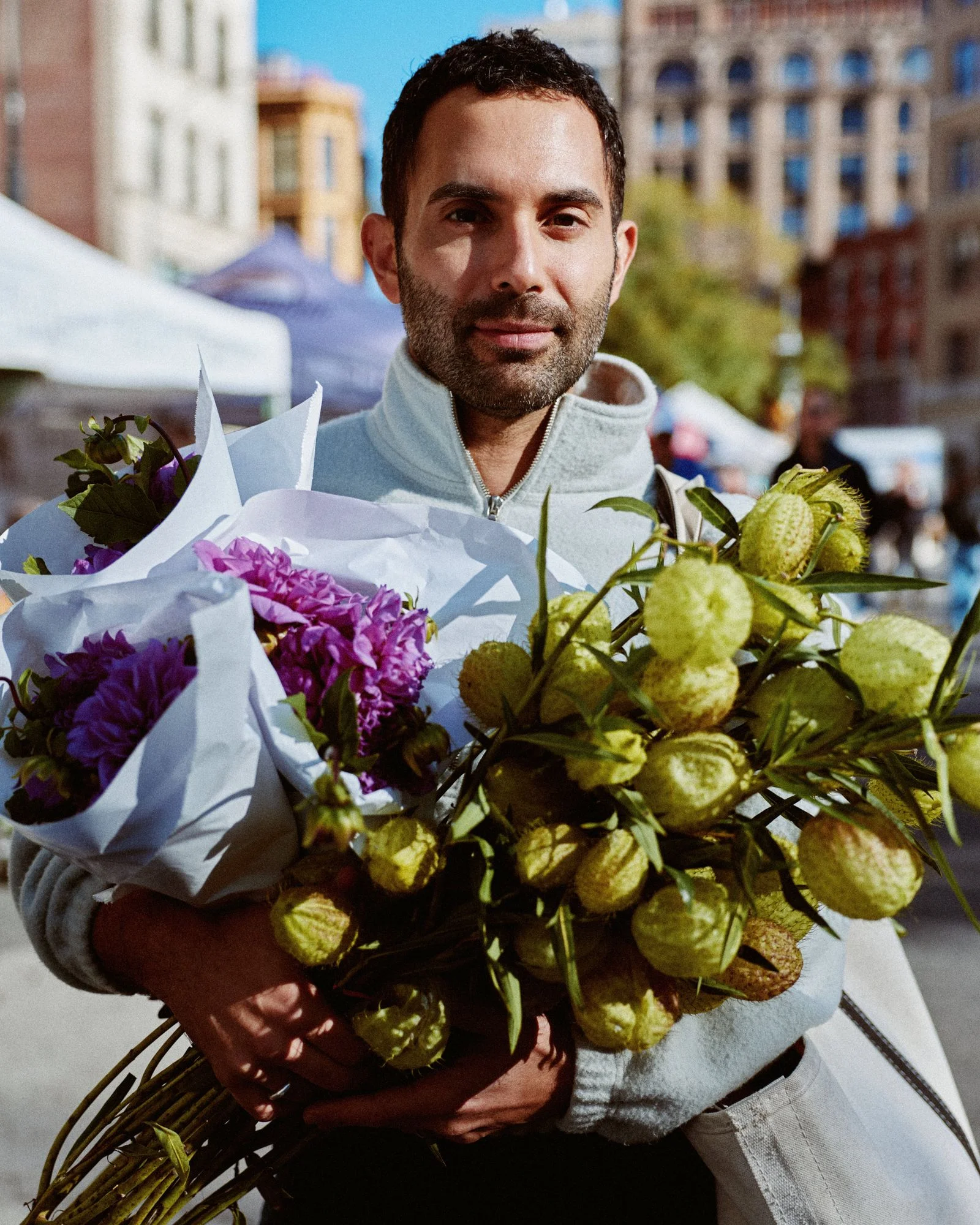 The biggest change in his outlook came through loss. Baraghani says that before stagnation became his greatest fear, it was losing a parent. His father died in 2024 after a battle with small-cell lung cancer. Baraghani describes the aftermath as a void to live with, not a problem to solve. That distinction gives his talk about motion and ambition a different weight. A busy life can be a choice; grief doesn’t offer the same control.
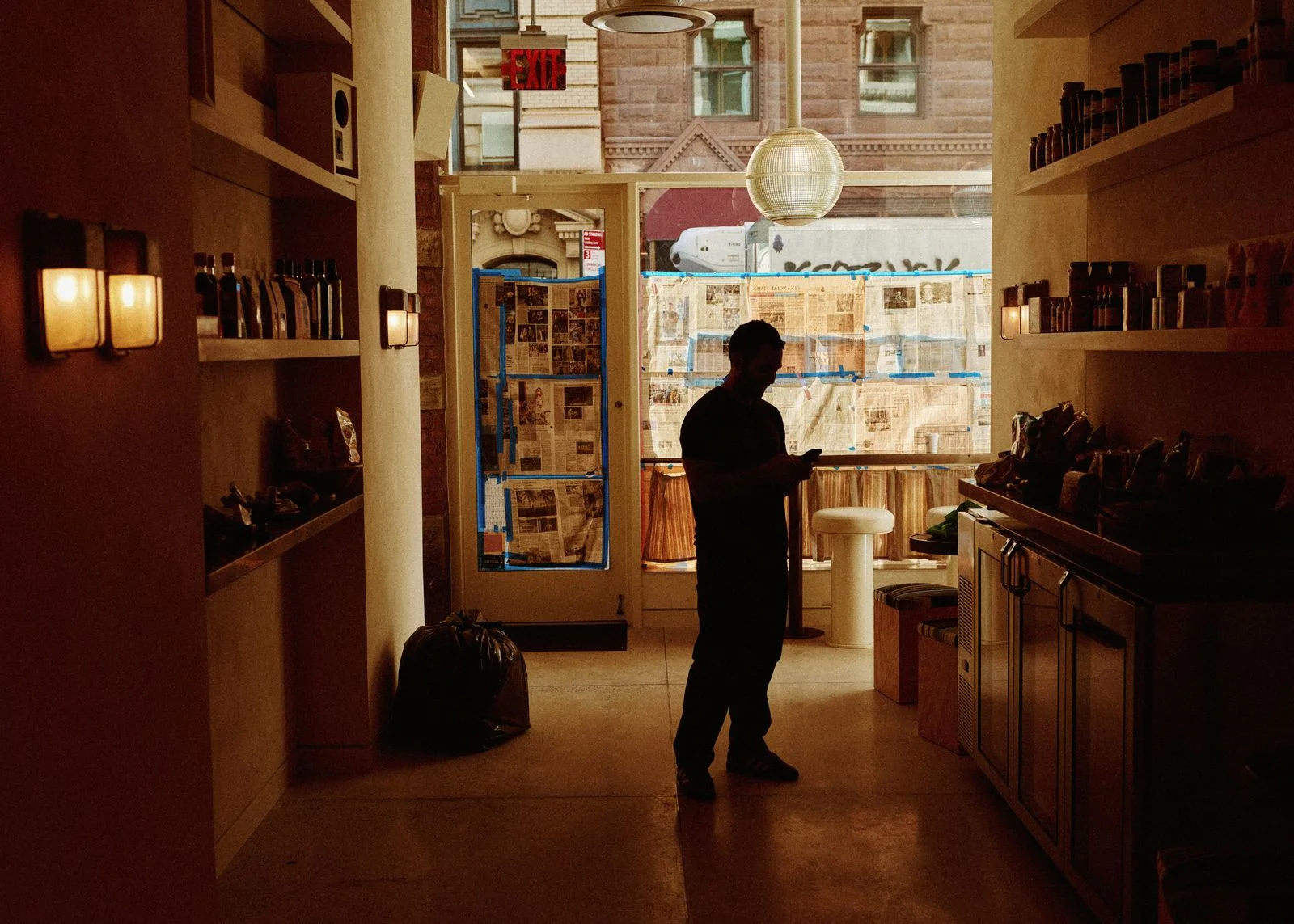
At Ditto, the ambition is to make food that feels human and a room that feels open to everyone. Baraghani and restaurateur Michael Silber chose a former Agnès B. storefront on 16th Street, close to the Greenmarket. Their plans include counter pastries, California-leaning sides and salads displayed in the style of Yotam Ottolenghi, and provisions such as tahini, harissa, and dates. For now, the restaurant is set to serve breakfast and lunch. Dinner might come later.
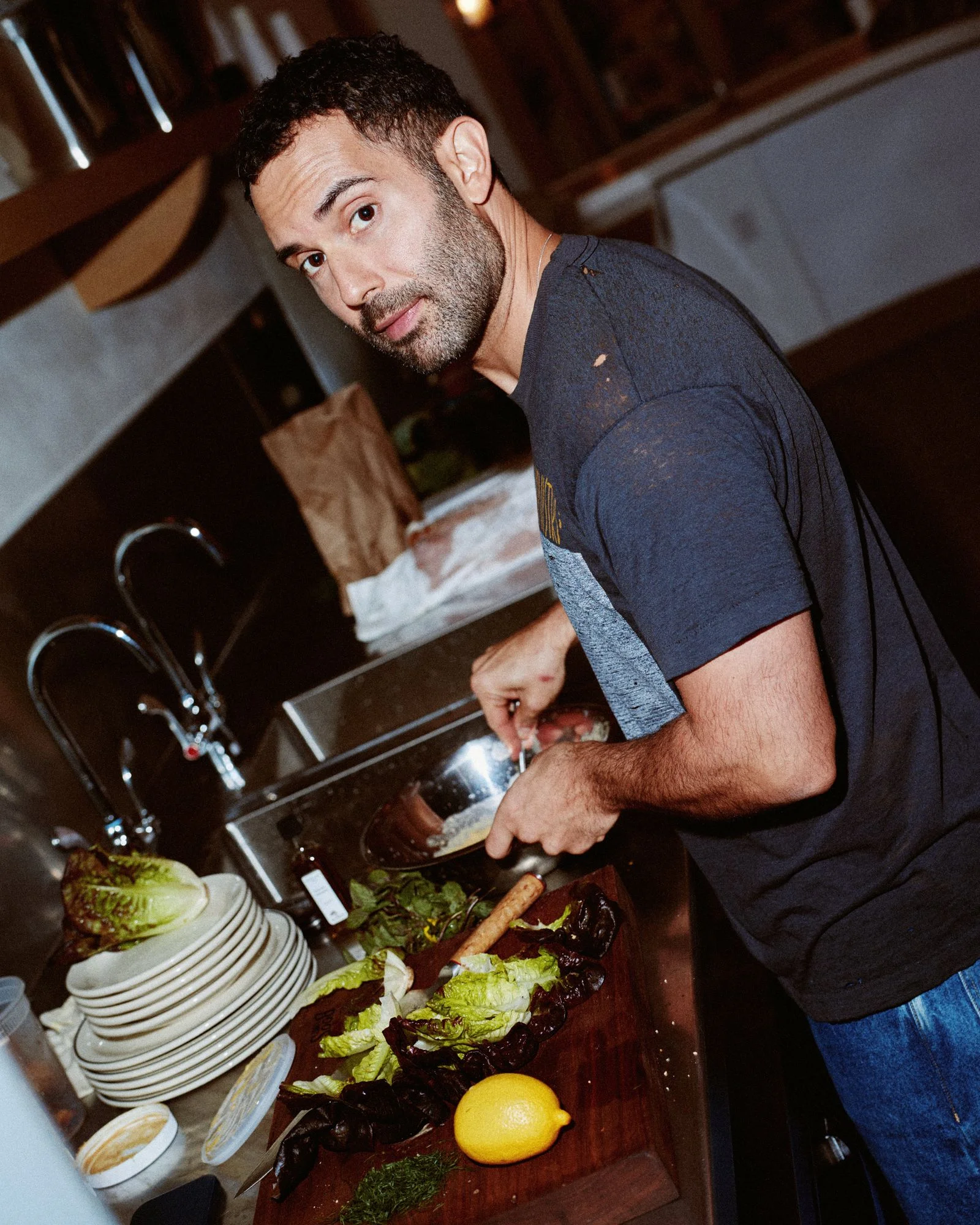
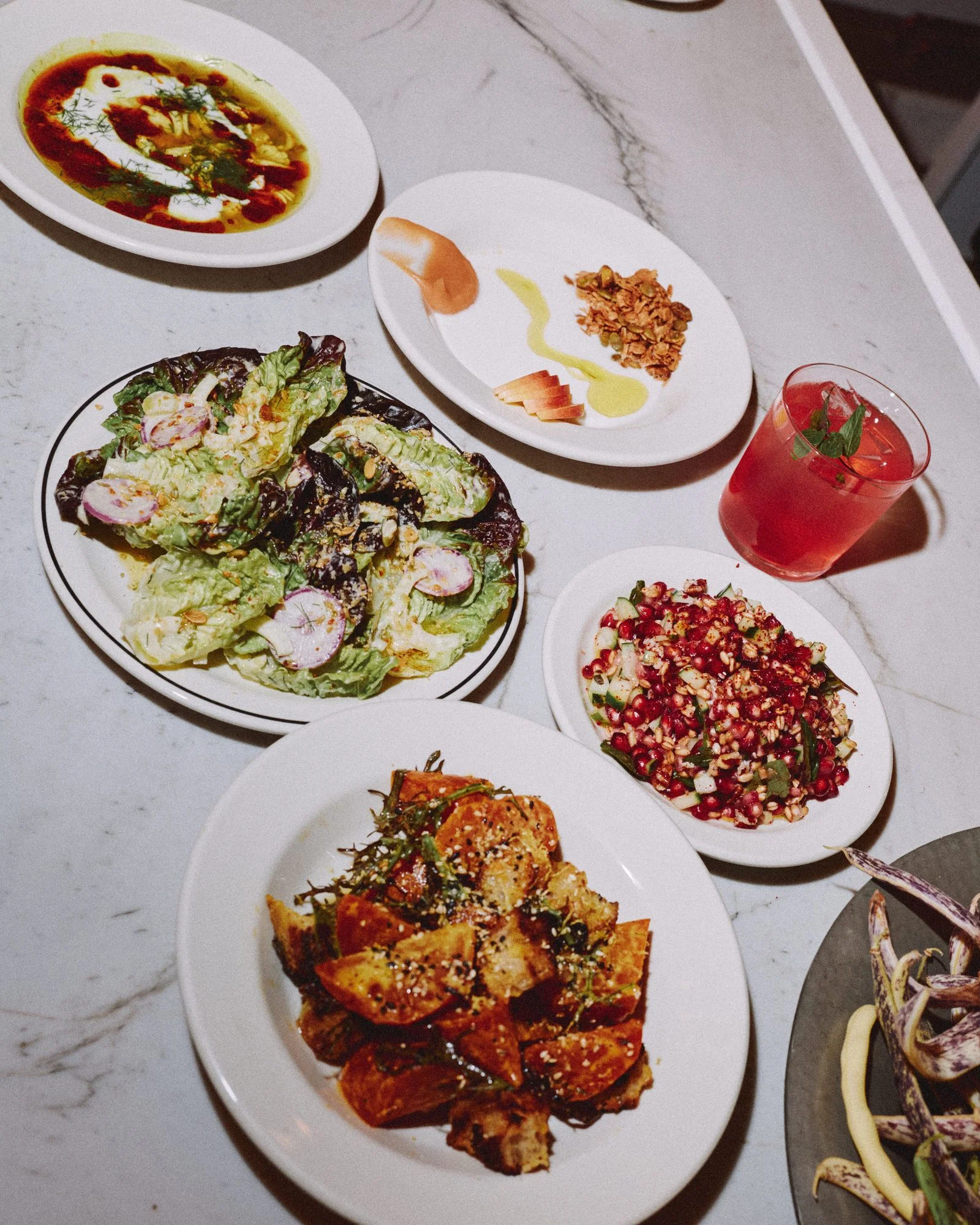 The menu will also feature a rotisserie “beyond chicken program,” with plans for spit-roasted porchetta, romanesco, and cabbage. That’s a telling choice: the centerpiece isn’t limited to chicken, and the vegetables get the same treatment. Baraghani has long admired counter-service spots such as Gjusta in Los Angeles and City Bakery in New York; Ditto’s format draws on that affection while making room for his own taste.
The attention can make his life sound like a carefully managed food-world spectacle. In the past day, he’d beaten creative director Terrence O’Connor for Best Body at the podcast How Long Gone’s first “Goneies” awards, after revealing a pink, formfitting Versace tank top beneath his blazer. He’d also run into David Tanis while grocery shopping. Yet there’s a plain confidence beneath the performance. Asked about juggling Ditto’s opening, a second cookbook shot at home, and a renovation downstairs, Baraghani says he feels calm: if something goes wrong, he believes he can fix it because he knows what he wants to achieve.
He has spent years making room for disagreement in his recipes. In The Cook You Want to Be, he writes, “I know that my food may be a touch too lemony for some,” and acknowledges using “a ridiculous amount of herbs.” Ditto, he suggests, will make that point of view more explicit. The dishes will pair seasonal vegetables with Persian influences, tartness and fragrance, and a clear sense of taste. Baraghani’s best work often takes a familiar dish a little off course: a few degrees sharper, more vivid, more arresting than expected.
What shaped the cooking
That confidence has a history. Baraghani once wrote about growing up Iranian in post-9/11 America, changing his name from Andisheh to Andy and buying an “Italian Stallion” T-shirt. He also described coming to terms with his sexuality in restaurant kitchens, where he rarely met other gay men, and within his family. His parents emigrated from Iran to Berkeley in 1977. The essay ended without a tidy resolution: “I’m still trying to figure things out. It’s not always steady progress.” [He wrote about that experience for Bon Appétit.](https://www.bonappetit.com/story/andy-baraghani-cooking-and-identity) His curiosity seems rooted in the world he grew up around. His parents were political activists; his mother worked as an aesthetician, and Baraghani established a [skin-care routine that later drew attention](https://intothegloss.com/2019/10/andy-baraghani-beauty-routine). The family’s immigrant neighbors welcomed them into their homes and celebrations, giving him early tastes of food from far beyond the Bay Area. After moving to New York, he traveled through Vietnam, Lebanon, and Turkey, staying in hostels and eating along the way.
The biggest change in his outlook came through loss. Baraghani says that before stagnation became his greatest fear, it was losing a parent. His father died in 2024 after a battle with small-cell lung cancer. Baraghani describes the aftermath as a void to live with, not a problem to solve. That distinction gives his talk about motion and ambition a different weight. A busy life can be a choice; grief doesn’t offer the same control.
At Ditto, the ambition is to make food that feels human and a room that feels open to everyone. Baraghani and restaurateur Michael Silber chose a former Agnès B. storefront on 16th Street, close to the Greenmarket. Their plans include counter pastries, California-leaning sides and salads displayed in the style of Yotam Ottolenghi, and provisions such as tahini, harissa, and dates. For now, the restaurant is set to serve breakfast and lunch. Dinner might come later.
The menu will also feature a rotisserie “beyond chicken program,” with plans for spit-roasted porchetta, romanesco, and cabbage. That’s a telling choice: the centerpiece isn’t limited to chicken, and the vegetables get the same treatment. Baraghani has long admired counter-service spots such as Gjusta in Los Angeles and City Bakery in New York; Ditto’s format draws on that affection while making room for his own taste.
Discussion
Sign in to join the discussion.