A lobster workshop and wild blueberry demo spotlighted Maine producers, food traditions and the practical work of building local businesses.

Maine’s food story reaches well beyond lobster. At Bon Appétit Live 2026, a cooking class and a kitchen demonstration brought that breadth into focus, connecting seafood and wild blueberries with the growers and producers behind them.
From lobster harvest to oyster farm
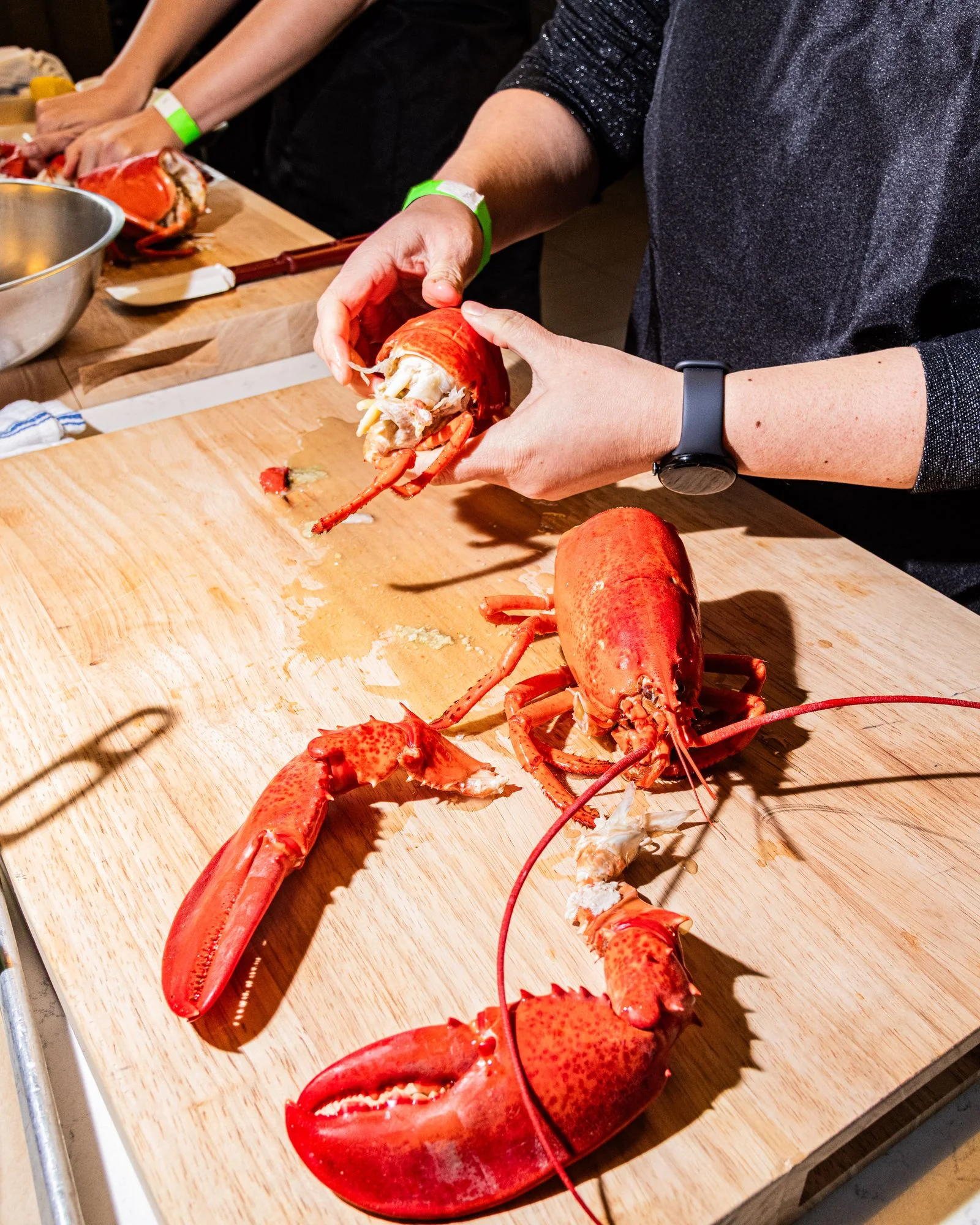
In a hands-on session called Lobster 101, Bon Appétit audience strategy manager Carly Westerfield and Krista Tripp, founder of Aphrodite Oysters in South Thomaston, walked guests through breaking down a steamed, two-pound Maine lobster. The meat went into a creamy dip, served with Ritz crackers before the group turned to oysters.
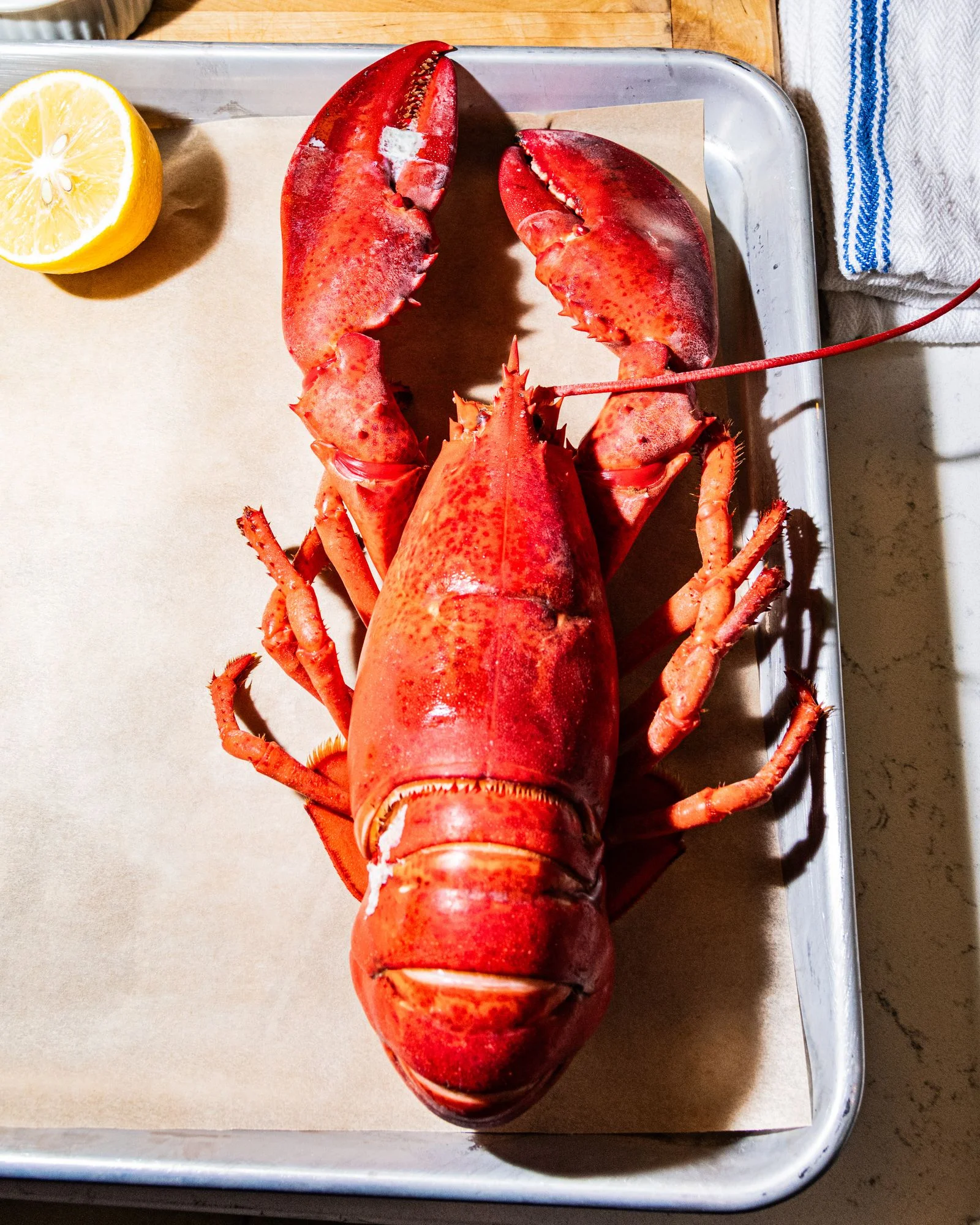
Tripp’s move from lobster harvesting into oyster cultivation reflects one way a coastal business can broaden its footing. Her oysters grow in the cold tidal waters of the Lower Weskeag River and take three years to mature. Their fluted shells hold briny, mineral notes balanced by a mild sweetness.
She also made the case for oyster farming as part of a healthy marine ecosystem. Oysters can filter up to 50 gallons of water a day, taking in nitrogen and using some of it to build their shells. Tripp said water test scores have improved around her farm. “Eating an oyster is contributing to the environment,” she said.
Guests who volunteered to shuck their first oysters got a practical lesson: protect the hand holding the shell with a towel, then work a knife gently into the hinge. The oysters offered a direct taste of the Penobscot Bay waters where they are grown.
Wild blueberries, with room to adapt
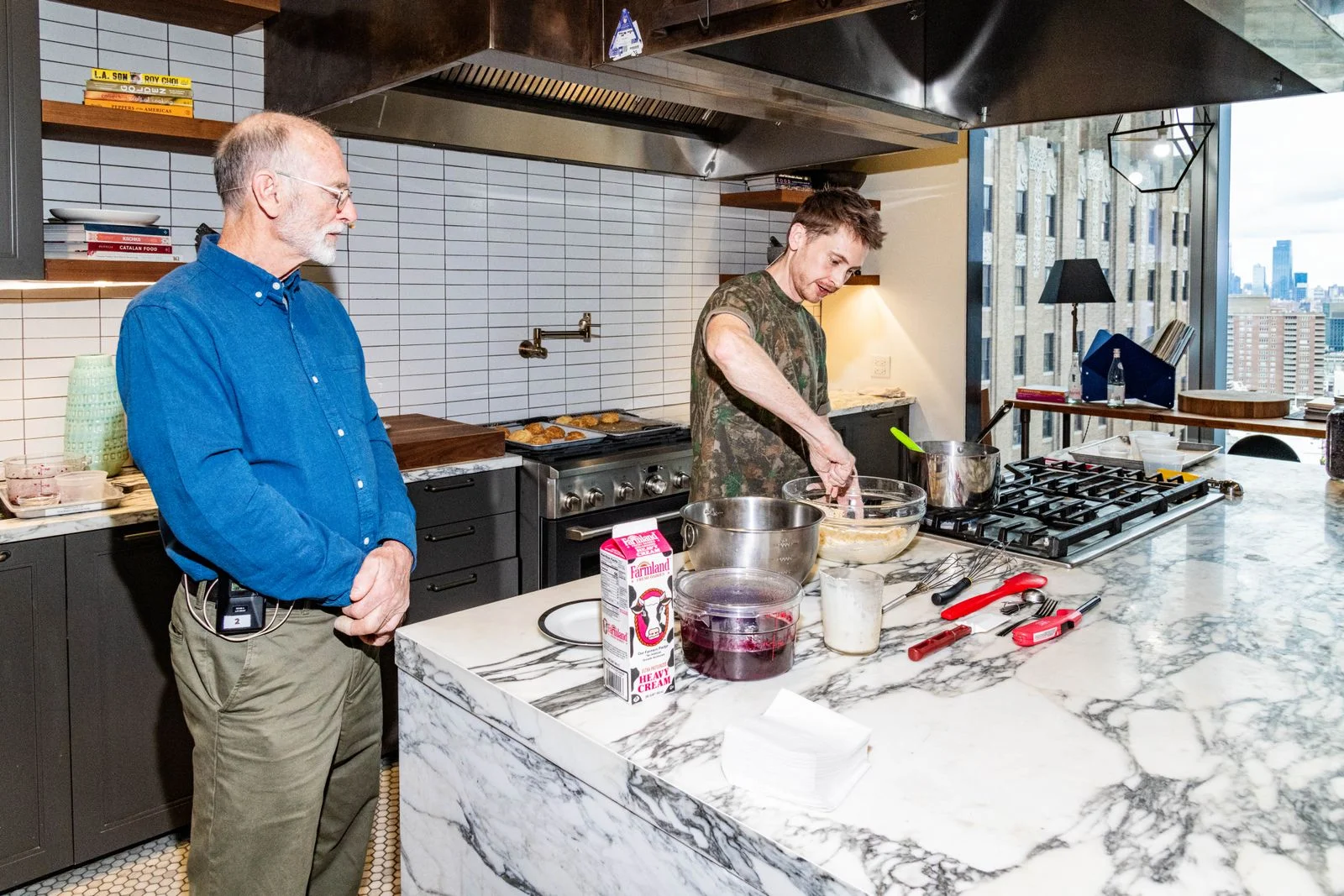
Later, Bon Appétit senior Test Kitchen editor Jesse Szewczyk prepared cornmeal shortcakes with blueberry compote using wild Maine blueberries from Brodis Blueberries, a family farm in Hope stewarded by Ron Howard and his family. Howard said Maine produces 99% of the wild blueberries grown and harvested in the United States.
The crop’s history stretches back to the retreat of the glaciers at the end of the Ice Age. Wild blueberry plants colonized newly exposed ground with help from ericoid mycorrhizal fungi. Indigenous communities valued the berries as food long before “superfood” entered the modern vocabulary.
Howard described how his family has adjusted to challenges including tariffs and currency fluctuations, particularly the effects of a stronger Canadian dollar. New harvesting equipment helped the farm expand and supply retailers. The family also developed an ingredient-free, freeze-dried product that can ship farther afield, and Howard and his son started a distillery producing wild blueberry eau de vie and vodka. Their Wild Blueberry Weekend invites visitors to the farm to learn about the crop and how it is grown.
A wider definition of Maine food
For Carolann Ouellette, director of the Maine Office of Tourism, direct contact with producers is part of what makes the state’s food culture tangible. She recalled childhood trips from New Jersey, remembering the smell of pie and spruce on arrival. “The relationship between people and nature is inseparable, and stewardship is an important part of the state's identity,” she said.
Ouellette said Maine has put more emphasis on its culinary identity in recent years. “Sea to table with local ingredients is what we were doing before it was a thing.” The state’s food story also includes apples, potatoes, kelp, seaweed and grains, featured in Visit Maine’s Bountiful Plate video series.
Local relationships help connect that range of products to restaurants and visitors. Tripp, for example, delivers oysters to restaurants herself. Ouellette sees that kind of connection as part of Maine’s appeal, alongside the hardworking communities that depend on one another. The event’s strongest takeaway was concrete: understanding Maine’s food means meeting the people who grow, harvest and make it.
Discussion
Sign in to join the discussion.