Understanding Football Hooliganism: Bill Buford's Insightful Exploration of British Culture
Published Jul 29, 2026583 readers
Bill Buford's *Among the Thugs* reveals the complex identity of football hooligans, blending cultural critique with firsthand experiences of a chaotic subculture.
From Literary Aspirations to Hooligan Observations
If you think football violence is purely a sensationalized narrative, think again. In 1984, Bill Buford, a young American editor and writer, plunged into the murky world of “football hooligans”—a group notorious for their hostility during soccer matches. His exploration wasn’t just about fear; it was about understanding a facet of British culture that was often shunned and misunderstood. Back then, English soccer was under siege by violence, with fans' aggressiveness turning matches into chaotic scenes. Hooliganism had become emblematic of a national embarrassment, labeled as a “British disease.”
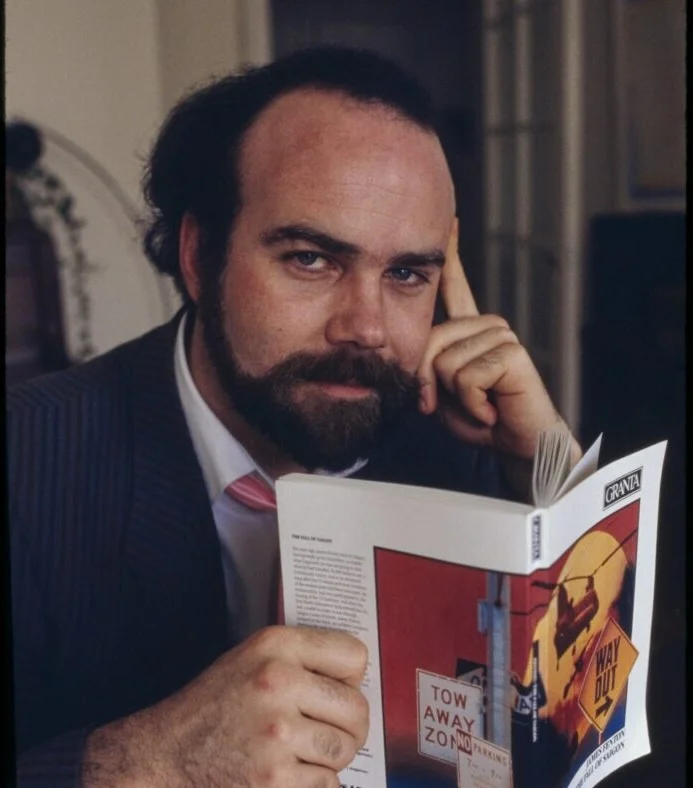
Buford’s journey wasn't meant to be an ordinary exposé. He intertwined his highbrow academic background from King’s College, Cambridge, with gritty encounters among the ranks of fan gangs like Manchester United's ICJ, the Inter-City Jibbers. What might seem like a collision of two worlds actually formed a basis for his pivotal work, *Among the Thugs*. His stint as editor of *Granta* had already instilled in him a penchant for danger and storytelling, preparing him for the raw narratives he would later encounter.
Yet, don’t be mistaken; these experiences didn’t outright mirror his posh Cambridge connections. The essence of Bufford's duality is what really draws attention. Under the umbrella of his literary endeavors, he reveled in drama and danger, confronting the brutal reality of hooliganism head-on. The stark contrast between the refined, thoughtful atmosphere of the Bloomsbury Group and the violent chaos surrounding soccer stadiums might seem irreconcilable, but that’s precisely where Buford thrived.
Here’s the kicker: by the time he finished *Among the Thugs* in 1991, a seminal shift in English football was underway. In the wake of tragedies like the Heysel disaster, there were growing calls for reform, aiming to transform the sport from what had been regarded as a “slum sport” to a more family-friendly activity. The work stands not as a mere chronicling of hooliganism, but as a poignant reflection of an era just as much as it details a fading world of brutality.
Buford captures the zeitgeist of an unrefined yet vibrant subculture in a society grappling with its own identity. As he latched onto the primal behaviors of football fans, he unearthed the contradictions in their identity: they were drawing camaraderie and a sense of belonging from the very violence that was alienating them. If you’re looking to understand the intricacies of football culture beyond the pitch, this narrative offers a compelling gateway. Buford’s account sheds light on a time when destruction and loyalty intertwined, creating an unforgettable backdrop that transcended the sport itself.
Bringing Sport to Life
In reflecting on the past, there's something poignant in recognizing how sports, particularly football, weren't often treated with the seriousness they deserved in literary discourse—especially in the UK during the 1980s. The narrative around sports often centered on the game itself—its rules, scores, and statistics—while the fans, the culture, and the raw, visceral experiences surrounding these events remained largely overlooked. But as we've seen through the lens of various writers, football embodies something far deeper. It’s not just a game; it’s the theater of human emotion.
Bufford's insights from his dinner with legendary figures emphasize a pivotal shift. When he faced derision for writing about the fervent supporters instead of the matches, he wasn’t just documenting a sport; he was unveiling a cultural phenomenon. Sports are intertwined with passion, violence, and community identity. His recollections of events—like the riots in Turin—speak to a broader narrative. These aren’t merely sporting events; they encapsulate passion and the sometimes agonizing human condition, reflected in the chaos surrounding them.
Which raises the question: What does this mean for contemporary writing about sports? If you’re in this space, consider this a call to go beyond the surface. Writers today have an opportunity to explore the narratives beneath the stats, the history pulsing through the rivalries, and the untold stories behind the spectators. It’s a rich tapestry worthy of exploration.
As readers, we crave more than just play-by-play recountings. We desire engagement with the drama, the heartbreak, and the triumphs that sports evoke. If Bufford's experience shows anything, it's that the visceral exchanges between fans and players shape our understanding of the sport itself. It’s time to give voice to these narratives, to acknowledge them as essential threads in the fabric of our culture. The challenge lies not just in recounting the events, but in capturing the pulse of the experience itself.
As we look to the future, the platforms for storytelling have multiplied exponentially, providing an array of avenues to share these narratives. The stage is set for a new generation of writers to make football and other sports not just a pastime but an essential part of our literary landscape. The question isn't whether we will write about these experiences, but how vividly we can bring them to life.
Discussion
Sign in to join the discussion.