Harvey Nichols faces significant challenges, but new ownership and strategic adaptations could capitalize on potential growth in the luxury market.
### Rethinking Strategies for Harvey Nichols's New Chapter
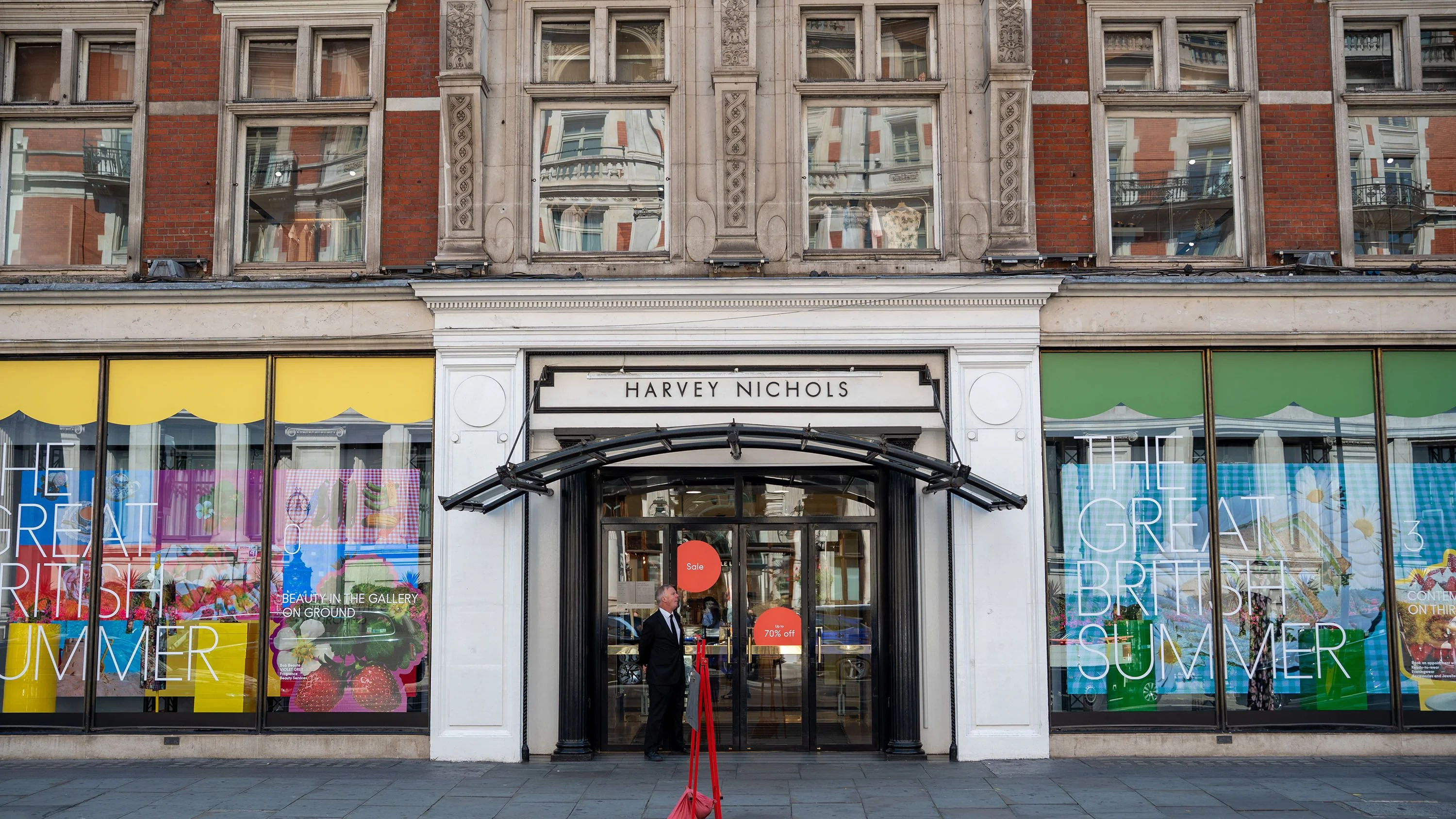
Harvey Nichols once epitomized British luxury shopping in the '90s, attracting an elite clientele and carving out its niche in high-end retail. Fast forward to today, and the department store is grappling with a stark reality: reduced foot traffic, mounting losses, and a tarnished reputation that begs the question of its future. With historical losses dating back to 2019 and a staggering £177.6 million loss posted for March 2025, the stakes are high as potential new owners circle the brand.
This summer, Sir Dickson Poon signaled a willingness to sell his stake, inviting bids between £50 million and £60 million. Though several interested parties emerged, including Frasers Group and Next, Frasers has taken the lead, driven by founder Mike Ashley's urgency to secure a deal before it slips away. A recent report from Sky News indicated that discussions were in advanced stages, leaving industry insiders and stakeholders pondering what the new leadership might mean for the brand's legacy.
However, it isn’t just about who buys the store; the real question lies in whether the fresh ownership can navigate the complex landscape that has transformed retail in recent years. Harvey Nichols's struggles represent broader challenges in the sector—from falling shopper numbers due to changed consumer habits post-pandemic to pressures from e-commerce giants stealing market share. Marguerite Le Rolland, a consumer analyst, underscores that these shifts are symptomatic of a much bigger retrograde movement affecting department stores generally.
Yet for the new owner, potential exists. The global luxury market is expected to bounce back, with a projected growth of 3% to 5% in 2026 according to Bain. This rebound could be a lifeline for Harvey Nichols, but it demands more than light investments or cosmetic changes.
### Streamlining Operations is Imperative
For the next chapter to succeed, the new owner should first focus on streamlining operations. Renowned consumer analyst Anne Critchlow highlights that department stores are incredibly capital-intensive. Therefore, restructuring long-term leases can significantly alleviate cash flow issues. Negotiating better terms with landlords could free up essential resources for reinvestment.
Additionally, revamping the retail mix will be vital. Harvey Nichols has a unique position in the market, offering a range of luxury products that cater to affluent customers. With the average ticket price being higher, there's significant potential to capitalize on e-commerce, but the retailer needs to sharpen its logistics and deliver a seamless online shopping experience, which has been a sore spot. The operating losses reported by their online platform indicate a troubling trend that must be stemmed if the department store is to thrive.
### Trust and Relationships Matter
Building trust with suppliers will also be crucial. Gary Wassner, CEO of a New York-based factoring firm, emphasizes the need for new ownership to maintain robust relationships with brands. The perception of instability can lead vendors to withhold stock. If the new owner hopes to attract the right merchandise, they’ll need to prove they can meet inventory demands consistently. There's a glaring urgency here—effective supply chain management could mean the difference between success and failure in a competitive marketplace.
An ongoing commitment to transparency and timely payments will be pivotal, as highlighted by industry insiders. With many brands still recovering from previous market upheavals, ensuring timely compensation demonstrates reliability and fosters long-term partnerships.
### Embrace a New Vision
Lastly, revitalizing the brand's public image must be part of the strategy. Despite perceptions of stagnation, there’s cautious optimism since Julia Goddard took the helm in 2024, portraying Harvey Nichols as a refreshed, adaptive player in luxury retail. Goddard’s pivot towards a curated shopping experience reflects the evolving landscape of consumer interests and preferences—which have changed significantly since the store's heyday.
By enhancing the brand's aesthetic and broadening the inventory, Goddard seems poised to leverage the department store's unique character. If the forthcoming ownership thrives on these foundational moves, Harvey Nichols might once again become a go-to destination—not only for high-profile shoppers but also for those seeking a genuinely engaging retail experience.If Harvey Nichols aims to reclaim its stature as a quintessential retailer in London, it must act swiftly and decisively. Under Julia Goddard's leadership, the company is navigating a pivotal transformation. The central challenge lies not just in energizing the brand's identity but in making that identity resonate beyond the confines of the fashion elite. Time is ticking, and the newly appointed owner must amplify the innovative strategies Goddard is championing, ensuring that these efforts transcend industry circles and captivate the broader consumer base.
Analysts like Luca Solca from Bernstein underscore the necessity of carving out a niche in a fiercely competitive retail landscape. Without a distinctive mission, Harvey Nichols risks being overshadowed by giants like Harrods, which dominate the luxury market by appealing directly to the most affluent consumers. To thrive, the retailer must refocus its value proposition, staying true to its roots while embracing a modern vision that prioritizes unique offerings.
Feedback from industry insiders resonates with this sentiment. Artem del Castillo, founder of both brand Delos and the concept store Odeum, emphasizes the importance of preserving Harvey Nichols's essence—a place of genuine discovery and creativity. He argues for a commitment to independent designers, urging the company not to retreat into the safety of well-known commercial names. Similarly, Jeppe Meier of Forét expresses hope that the new owners will bolster Harvey Nichols's role as a destination for a diverse array of brands—both established and emerging—helping them tell their stories authentically.
Here's the thing: unless Harvey Nichols quickly differentiates itself, both regionally and globally, it risks fading into obscurity. Neil Saunders from Globaldata warns that the new owners need to seriously evaluate which of its regional stores can thrive and which might need to be shuttered. A strategic understanding of local markets—considering consumer preferences and spending behavior—will be fundamental to its resurgence.
By treating its spaces as experiential destinations, Harvey Nichols has the chance to carve out a unique selling proposition. Goddard’s recent renovations, including a focus on wellness and dining experiences at flagship locations, are steps in the right direction. Yet, there's much more that can be explored, particularly in smaller towns where customers have fewer entertainment options. These markets offer a ripe opportunity to engage luxury consumers seeking special experiences.
Data trends suggest that luxury experiences are on the rise, with Bain predicting a growing consumer preference for experiences over traditional ownership. As younger generations, particularly Gen Z and Gen Alpha, gain purchasing power, Harvey Nichols must adapt. The combination of physical engagement in stores alongside innovative digital strategies is essential. Younger consumers crave authenticity and purpose, and a mere transactional relationship won't suffice.
In this context, the opportunities to create memorable in-store interactions and events tied to influencers and designers could be pivotal. As 2024 approaches, it's crucial for Harvey Nichols to innovate rapidly. Kantar's projections indicate that Gen Z and Alpha are set to represent a significant portion of the market by 2035. Catering to their preferences for in-person experiences could redefine the retailer's future.
For the new owners of Harvey Nichols, the message is clear: evolve or risk becoming irrelevant. The time to transform the customer experience and establish a vibrant, engaging culture within the stores is now. As they take this journey, their ability to adapt and innovate will determine not just their survival but their success.
Discussion
Sign in to join the discussion.