Agefield High has debuted to disappointing reviews, with technical flaws overshadowing its nostalgic appeal for Bully fans.

The long-awaited release of Agefield High: Rock The School on PC has met a lukewarm reception from players, stirring skepticism among fans of the original Bully. A story trailer had sparked enthusiasm, but those expectations may need adjusting given the game's rough initial performance. For many, the hope was that this title could recapture some of the charm and mischief that endeared players to Bully, yet the reality is proving to be quite discordant with that vision.
Technical Shortcomings
Set against the backdrop of the early 2000s and drawing humor from iconic teen comedies, the game seems to have faltered in execution. Players are voicing their frustrations loud and clear—significant issues plague the experience. Many users on Steam are citing complaints such as rigid character animations. Combat feels sluggish and unresponsive, which can sap the enjoyment from what should be exhilarating gameplay. Frequent crashes and noticeable lag underscore these problems, an unwelcome combination that even minimal graphic settings fail to alleviate. It’s surprising that such fundamental aspects overlooked in development, leading to a marred first impression. Players, after all, often expect a polished experience, especially from titles that aim to invoke nostalgia.
Mixed Reviews on Storytelling
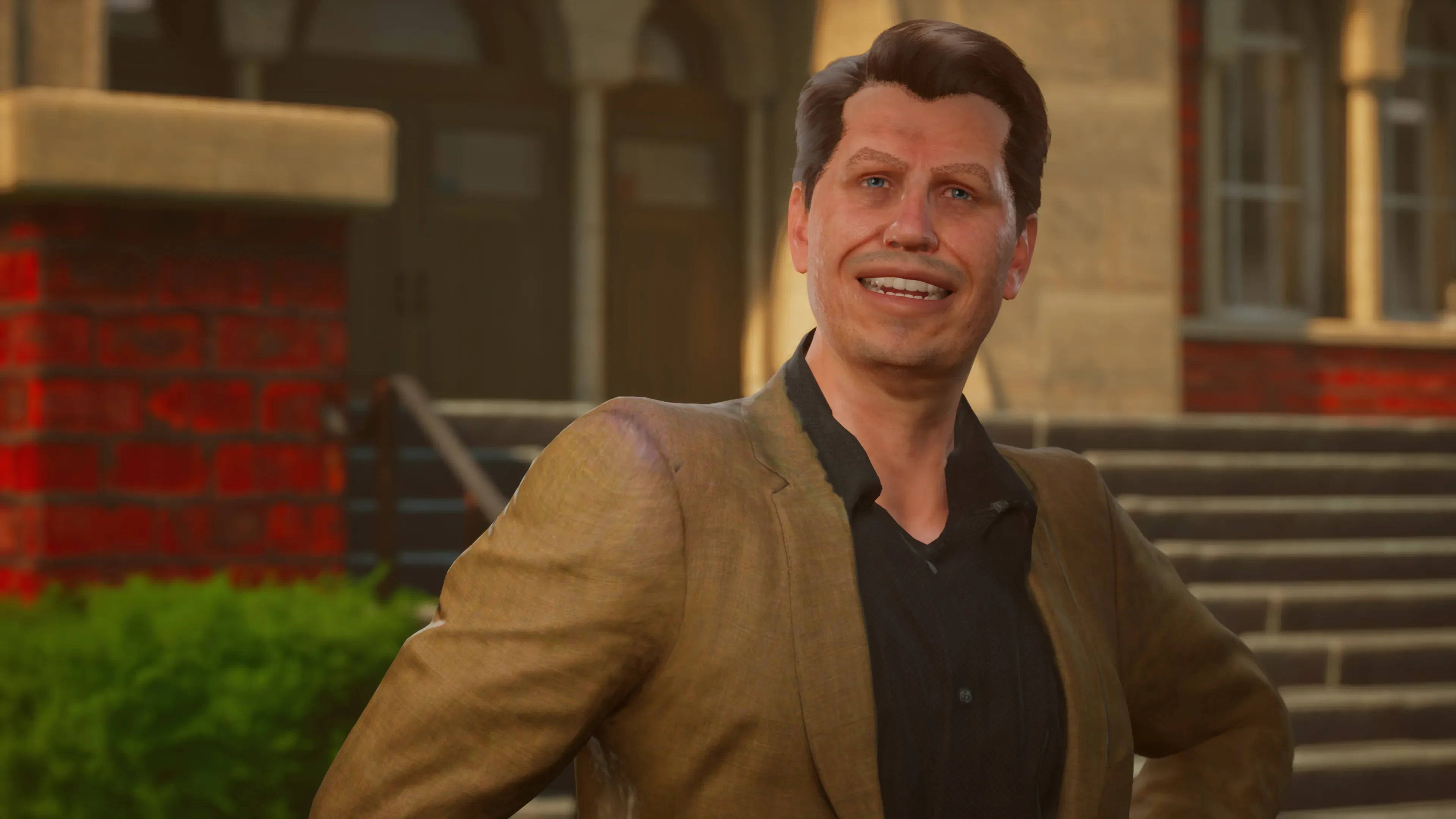
Jean-Luc Seipke, a reviewer, echoed these concerns, particularly with the narrative quality. For fans craving a story-driven experience reminiscent of the original, disappointments seem inevitable. While the expectations were high, the execution has reportedly failed to deliver engaging storytelling or character development. Strikingly, there is one point of relief: the absence of AI-generated art, which has become a common critique across modern gaming. This restraint may please some players, yet the broader narrative failings leave an unsettling taste. You’d think a game centered on teenage hijinks would feature a more engaging plot, one that pushes players to invest emotionally in their characters and their stories. The current lack of such storytelling depth raises red flags about the developers' vision or dedication to that vision.
Developer Response
In the face of mounting criticism, Refugium Games took an interesting approach by engaging directly with its community. They posted a message on Steam—written from the perspective of Principal Carpenter—entreating users to treat the game kindly. Humorously, they stated, "Please be gentle with the walls. The paint is still fresh." This could be seen as a clever attempt to inject some lightheartedness into a challenging situation. Yet, beneath the levity lies a serious acknowledgment of their struggles. Gamers often appreciate transparency and humility from developers, but is humor enough to mask glaring faults? Such a response, while well-intentioned, may feel insufficient if the gameplay doesn't improve significantly in the near future.
Future Outlook and Implications
So, what's next for Agefield High? Without addressing these pressing technical issues and narrative shortcomings, its future might look bleak. Fans are already expressing thoughts of revisiting Bully—considered a benchmark for this genre. If the developers can't pivot quickly, even the most patient players might abandon ship. There’s a danger here: when trust erodes, it doesn't just affect one game; it can tarnish the entire franchise. Developers need to act promptly, correcting the launch bugs and listening to player feedback. If they don’t, they risk losing a generation of gamers who might not be inclined to give them a second chance.
If you're working in this space, this should resonate with some familiar patterns. Many new titles have suffered from similar fates—hyped releases disappointing their core audiences. It's a tough environment where players expect not just innovation but also reliability. How Refugium chooses to handle this situation could either salvage or worsen their reputation.
Conclusion
Until these issues are resolved, fans might be better off revisiting a classic like Bully rather than investing nearly $30 in Agefield High. Nostalgia often sells, but if the execution falters, that nostalgia can swiftly turn into disappointment. The game’s ambitions might have been lofty, but the dashed hopes of its early players serve as a reminder of the high stakes involved in game development.
Discussion
Sign in to join the discussion.