Christopher Judge critiques the frequent exclusion of original game creatives in adaptations, using examples from "The Last of Us" and the upcoming "God of War."
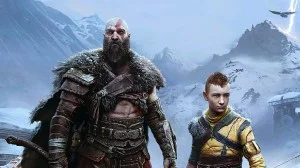
Mounting Expectations for God's Of War Adaptation
As anticipation builds for the live-action adaptation of God of War, the stakes are undeniably high. The original game is not just another title in the crowded video game market; it's a cultural phenomenon that has revolutionized how narratives are woven into interactive play. This adaptation comes at a time when the industry is packed with attempts to translate beloved games onto screen, making Judge's comments particularly significant.
Christopher Judge Takes a Stand
Christopher Judge, the actor whose voice brought the fierce and complex character Kratos to life, has openly expressed his frustrations regarding the handling of video game adaptations. His concerns hinge on a pivotal point: the omission of key creators from the original games. Judge argues that not having those directly responsible for a game’s success involved in any adaptation severely undermines its potential. This isn’t a trivial issue—it goes to the heart of authenticity in storytelling.
During a panel at Fan Expo, Judge articulated his grievances, emphasizing the disconnect between creators and their adaptations. "My problem with all game adaptations is you have this pre-existing, successful property, and the first thing you do is not hire anyone associated with it," he said. This highlights a frequent oversight in adaptations; they’re often led by filmmakers who may not fully grasp the essence of the source material. Judge's critique isn't merely about casting choices but reflects a broader critique about how adaptations often sideline the talent responsible for the content's initial impact.
Lessons from The Last of Us
Judge used The Last of Us as an example of what can go right in video game adaptations. The series saw the original cast contributing to its emotional depth, creating a more authentic experience for viewers familiar with the game. His admiration for their performance is not just about nostalgia; it underscores a deeper understanding of character portrayal. What's more intriguing, he raised a valid question why these actors didn’t reprise their roles in the series despite their existing rapport with the material. "I saw a stage reading they did. It was unreal. I have no idea why you don't just take that cast," he remarked.
This raises a pertinent issue: the balance between star power and authenticity. It's easy to argue that bigger names drive viewership, yet they don't always deliver the nuance needed to convey complex characters. Judge's skepticism is warranted—adaptations like The Last of Us succeed because they ensure existing talent carries the emotional weight of the story.
The Challenges of Adaptation
The challenges of writing for video games versus television are well-documented, but Judge makes a strong case for having original writers as part of the adaptation team. In an age where studios strive for 'shot-for-shot' remakes, maintaining the essence of the original material becomes paramount. Judge aptly noted, “If you’re going to adapt games and do 'shot-for-shot' remakes of them, hiring the writers behind them would be a smart move." This insight points to a larger industry tendency: the urge to take shortcuts in creative processes, which often backfires when the result misses the mark.
Connected to this is Amazon’s adaptation of God of War, which is already navigating its own set of production issues—including the injury of actor Ryan Hurst, who was set to play Kratos. Such setbacks can happen in any production, but they also underline risks inherent in squeezing properties into rigid templates. Transforming a game into a series requires not just adapting the plot but capturing the emotional core that made the game resonate with audiences in the first place.
Adjustments Amid Production Setbacks
Rumors have emerged suggesting that Dave Bautista, known for his versatility in both wrestling and acting, might be stepping in for Hurst. This showcases how fluid production can be and how quickly pivotal changes can happen—sometimes for better, sometimes for worse. And yet, one can't help but wonder how much these swift changes might affect the adaptation's integrity. If you're working in this space, keeping an eye on how talent is selected and retained amidst these shifts is essential.
What stands out in Judge's comments is his call for a more collaborative approach between studios and original creators. It’s an echo of sentiment that many fans share: adapt stories with homage to their roots rather than as an afterthought. He underscores a growing demand for authenticity as adaptations of favorite games flood screens. This is more significant than it looks; studios could unlock more fan support simply by honoring the original work.
The Implications of Judge's Call for Collaboration
Collaboration may not just enhance the narrative quality but also bolster the credibility of adaptations. Judge’s insistence on including original writers and voice actors speaks to a broader truth in storytelling: authenticity resonates more deeply with audiences. When creators are sidelined, adaptations run the risk of feeling hollow—disconnected from the emotional stakes that drew fans in the first place.
As studios scramble to capture audience attention, Judge’s viewpoint becomes increasingly relevant. Instead of approaching adaptations as opportunities to rebrand, perhaps it’s time to realize that the soul of the original piece matters most. Meanwhile, the eventual release of the God of War adaptation will likely serve as a litmus test for how well the industry is listening to these concerns. If the creative team fails to include those who know the game best, the adaptation could easily become just another footnote in a long list of missteps.
Discussion
Sign in to join the discussion.