Exploring the Emotional Depth of Dorothea Lasky's Latest Poetry Collection, *Mother*
Published Sep 04, 2026712 readers
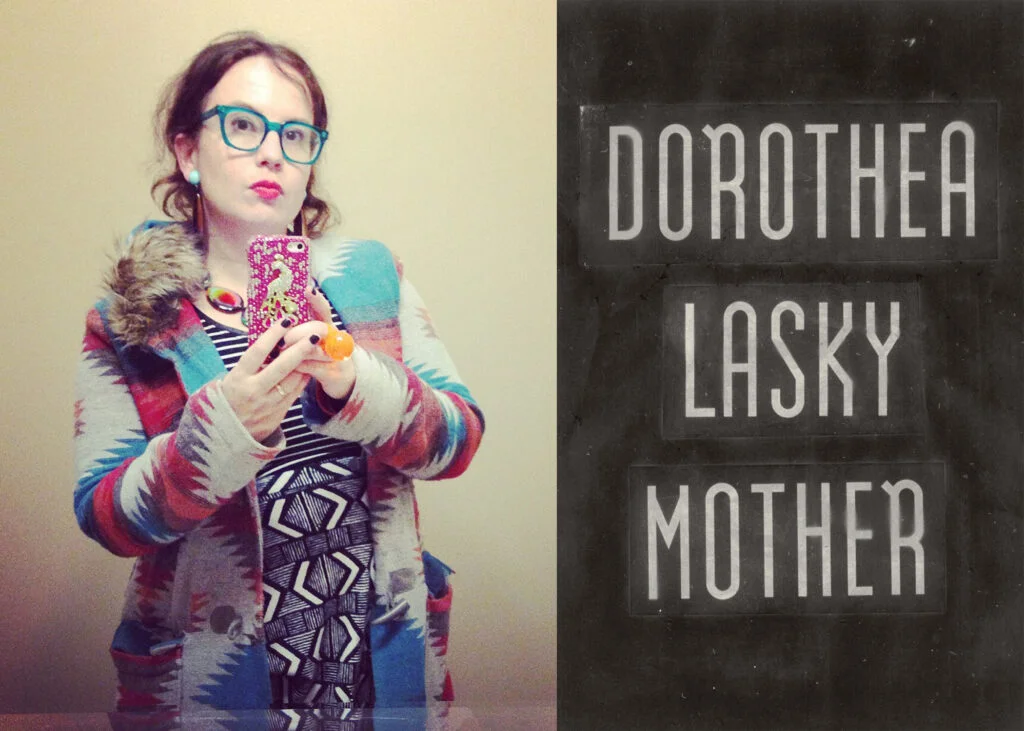
Dorothea Lasky's *Mother* takes a darker turn, exploring motherhood's complexities with vivid imagery and emotional weight, redefining her poetic landscape.
Dorothea Lasky: A Glimpse into Her Poetic Universe
Dorothea Lasky stands out as an extraordinary voice in contemporary literature, showcasing a striking versatility throughout her ten collections of poetry and prose. She seamlessly navigates diverse themes and styles, with works ranging from reflections inspired by **The Shining** to an upcoming exploration of Sappho's legacy. In her latest collection, **Memory**, Lasky delves into eclectic subjects, touching upon fashion, Satanism, and even visual arts through the lens of David Hockney. Despite this wide-ranging curiosity, her oeuvre reveals a cohesive emotional core that gravitates towards the bizarre and the vividly colorful.
The Dark Palette of *Mother*
However, her newest poetry collection, **Mother**, marks a tonal shift that may surprise readers familiar with her earlier work. While Lasky's signature vividness remains, the collection adopts a darker atmosphere. The inaugural poem, published by *The Paris Review* in 2023, begins ominously with the evocative line, “The bird was blue and gray.” The imagery that unfolds is steeped in muted blues, dusky grays, and somber browns. Bright colors make rare appearances—when they do, they carry unsettling implications. Red emerges as "monstrous," and even pink evokes a sense of decay and dread, as Lasky writes about "smoke / Emanating from my abdomen." Such vivid imagery highlights how colors can elicit moods, something Lasky herself has articulated in an essay where she states, “color makes a mood that can wash over anything.” In **Mother**, the prevailing moods are those of claustrophobia, anger, and the profound fear that comes with motherhood. As one poem concludes, “The poems are always / Taken from their mothers too soon,” encapsulating the fragility of both life and art.
Insights from the Author
In a meeting held at Columbia University's Montparnasse campus during an exceptionally hot June, we took a moment to reflect on the oppressive heat that seemed to echo the weighty themes in her work. That day, Lasky graciously offered me refreshments—vibrant pink fruit water and a cola reminiscent of carob—perhaps an invitation to engage with the contrasting colors that populate her poetry.
Our conversation turned to her decision to title eight poems in **Mother** simply “Mother.” Lasky explained the playfulness behind such an overt choice, suggesting that there’s something irreverent in opting for straightforward titles. She likened it to a joke she plays on herself, further illuminating her process by referencing her upcoming manuscript, **The Green Lake**, which features similarly titled poems. For Lasky, any title feels preferable to the ambiguity of “Untitled”—a label that riles her creativity.
When asked about the difference between the “Mother” poems and the others, she confessed that her choices in titling may seem dull but reflect a shift in focus. The poems bearing the same title center on the mother figure herself, diverging from those that explore surrounding themes. This deep connection stems from personal experience; Lasky originally intended **Mother** as an homage to fellow poet Bernadette Mayer's work written during her own third pregnancy. Yet, the creative process transformed her intended letters to her father into poetry. It’s a testament to her spontaneity as a writer that she documents the process so candidly, commenting on the frustration of poems sometimes surfacing in unexpected forms.
That exploration of subjectivity and that deeply intimate connection to mother figures emerge time and again. For Lasky, the concept of motherhood transcends the personal; it becomes a lens through which she navigates moral complexities and broader themes of identity, existence, and art. As she pointedly states, the maternal figure embodies both authority and rebellion against conventional morality, making the exploration of motherhood in her work a vital aspect and something she’ll likely never tire of delving into.
Lasky’s rich storytelling reflects not just her individual journey but a collective reckoning—inviting readers to ponder the intricate dynamics of motherhood and the emotional landscapes that accompany it. What this portends for her future works remains to be seen, but her creative trajectory reveals an unwavering commitment to exploring the profound depths of personal experience through the universal lens of motherhood.The tension between love and manipulation is a recurring theme in both motherhood and art, with implications that reach far beyond the page. As explored in this interview, the nuanced relationship portrayed in Lasky’s writing addresses how deeply cherished emotions—specifically that of a parent’s love—can make individuals vulnerable, paving the way for systems to exert control over them. This poignant realization speaks volumes about the human experience, especially in a world that often can’t seem to separate genuine care from exploitative structures.
When it comes to Lasky's work, her exploration of horror isn't just about fright; it dives into deeper anxieties. Writing "Mother" in parallel with an upcoming horror novel, "Katie," shows a deliberate intertwining of her thematic elements. "Katie," a surrogate, is similarly ensnared by forces reminiscent of the nightmarish demons of classic horror. This connection not only enriches our understanding of her characters but also deepens the reader's engagement with the pervasive societal structures that control our lives, often masked in the guise of love and support.
As she recasts poetry and prose as two sides of the same creative coin, Lasky expresses a sense of devotion that poetry has yet to evoke in her. The allure of poetry—its unpredictability—adds its own complexity, making it a passionate yet frustrating companion. In contrast, her experience with prose feels like a consistent embrace, one that invites her in regardless of her fears of inadequacy.
Lasky’s thoughtful revisions further illustrate her approach to creation. By turning a statement into a question in her poetry, she underscores the inherent uncertainty that accompanies rescue. The focus shifts from absolutes to the perpetual struggle for understanding and connection—essentially, the notion that saving isn’t a one-time act, but a fluid, ongoing endeavor.
Looking toward the future, this insight invites readers and creators alike to reconsider how they define success and love in their own lives and work. If we can embrace the questions instead of clinging to definitive answers, perhaps we can navigate our complexities with greater empathy and clarity. Lasky’s works serve as a testament to this idea, reminding us that the most profound art springs from the murkiest waters of uncertainty and emotional vulnerability.
Discussion
Sign in to join the discussion.