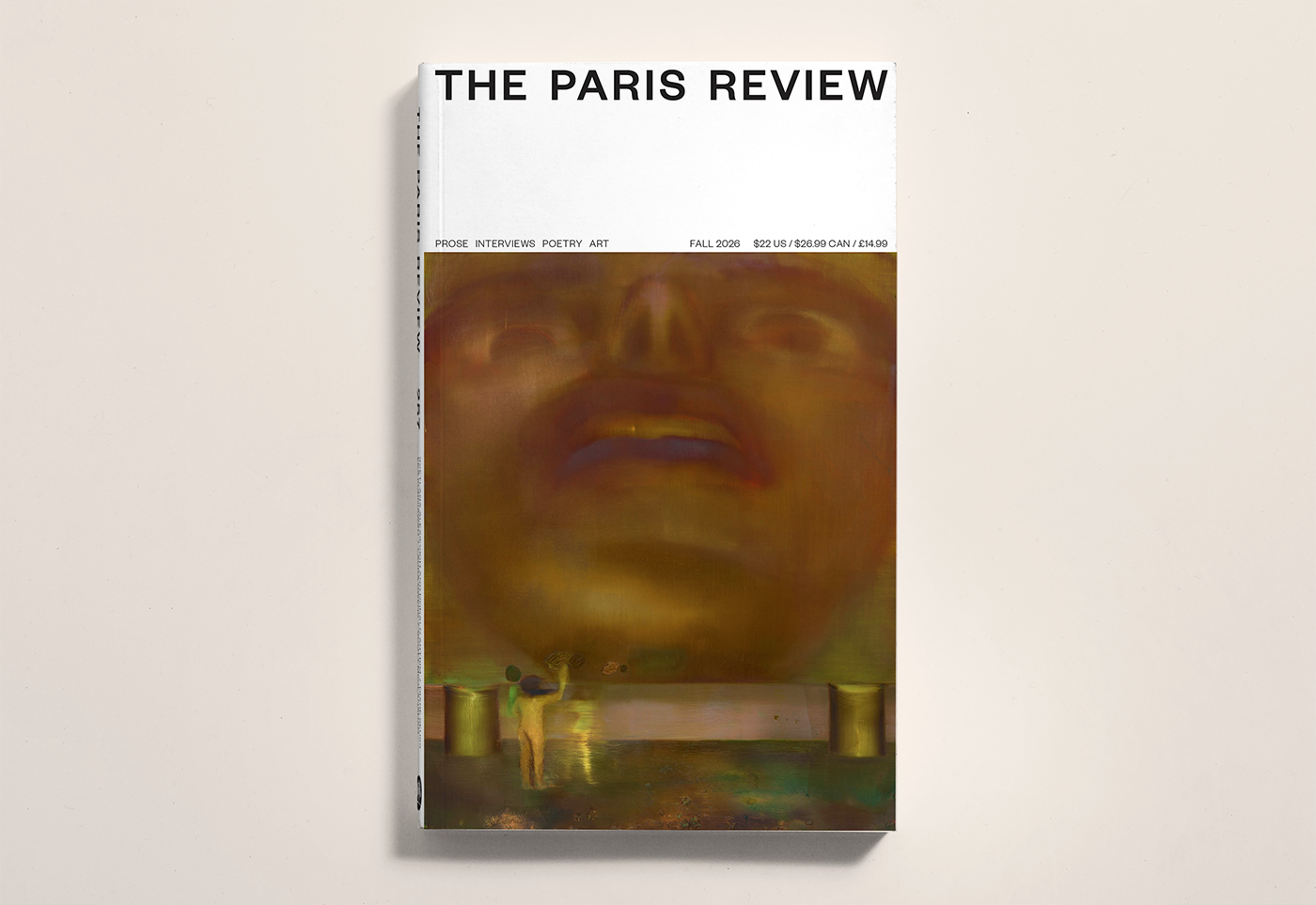
Discover the themes of personal narrative and identity in oral history through Svetlana Alexievich's insights in The Paris Review's newest issue.
In Soviet times, informal conversations around the kitchen table, referred to as “kitchen talk,” served as a vital space for safely sharing stories and expressing dissent. This intimate setting fostered a culture where individuals could speak freely, hold heated debates, and exchange controversial literature, particularly in the confines of small, cramped apartments known as khrushchevka.
This essence of private discourse lives on in the works of Svetlana Alexievich, a Nobel Prize-winning author from Belarus, whose oral histories command attention for their depth and emotional resonance. In the latest issue of The Paris Review, Alexievich is the focus of the debut Art of Oral History interview, revealing her approach to narrative storytelling through candid discussions. The interviews, conducted by journalist Elena Kostyuchenko in Alexievich's Berlin home—where she resettled after leaving Minsk—offer a glimpse into the lives and thoughts of ordinary people during significant historical moments.
Alexievich’s method of capturing stories involves synthesizing numerous interviews with a diverse array of contributors, often creating what some describe as literary compositions. Critics occasionally raise concerns about her technique of merging narratives or reshaping accounts, yet Alexievich defends her style, underscoring the importance of conveying emotions and impressions over strict factual fidelity. “What’s crucial,” she articulates, “is the essence of the impressions, feelings, the sense of the era.”
The conversations Alexievich shares often unfold in an unguarded manner, free from the influences of external observers. “The best conversations happen behind closed doors,” she notes, indicating the significance of privacy in revealing authentic thought processes. This intimate dialogue echoes through the pages of The Paris Review as the publication works to distill hours of transcripts into digestible narratives, reflecting the complexity and nuances of human experiences.
Notably, Alexievich's narratives touch on significant historical events—she delves into topics ranging from the Second World War to the disastrous Chernobyl incident and the disintegration of the Soviet Union. In her conversations, she often emphasizes the interplay between human experience and broader societal changes, asking questions that reveal deeper insights into personal and collective memory. Her literary style captures a sense of place and time while enabling a conversation that feels both immediate and timeless.
Another interview featured in the issue with Donald Antrim, conducted by Andrew O'Hagan, showcases a unique blending of autobiography and reflection. At one point, O'Hagan prompts Antrim to consider the impact of his childhood experiences—specifically the tumultuous nature of his parents' divorce. Their dialogue resembles a therapeutic session where disconnected memories are pieced together in real time, inviting readers into the complexity of personal history.
The compilation of narratives in this fall issue aims to capture voices striving to make sense of their existence within the currents of history before their stories solidify into a defined narrative. Scott McClanahan’s vivid recounting of a family road trip amid a catastrophic flood in West Virginia serves as a testament to the fluidity of storytelling, revealing personal truths while commenting on larger societal issues. Similarly, Sam McKinniss's story reflects on the fabric of friendship woven against the backdrop of the Iraq War and discussions surrounding LGBTQ+ rights.
Introducing Brian Ma’s debut piece, readers are immersed in the perspective of a refugee from the Vietnam War who transforms his adversity into a successful engineering career. His narrative grapples with recollections of conflict and survival, raising profound questions about identity amid chaos. “I’m not interested in events per se,” Alexievich emphasizes, “but in how people make sense of what happens to them.” Sometimes, as the characters reflect, making sense of their experiences involves confronting unbearable truths.
Through these intimate portraits and shared stories, this issue of The Paris Review showcases the art of oral history, emphasizing the intricate relationship between personal narrative and collective memory. It invites readers not only to witness these conversations but to engage with the profound questions they pose about life, loss, and the search for meaning amidst complexity.
Emily Stokes is the editor of The Paris Review.
Discussion
Sign in to join the discussion.