From Nablus to Grundy: A Family's Journey Through Cultural Transition
Published Sep 10, 2026638 readers
Explore the compelling story of a family's transition from Nablus to a small Appalachian town, highlighting cultural challenges and personal growth.
A Journey from Nablus to Grundy: A Personal Narrative
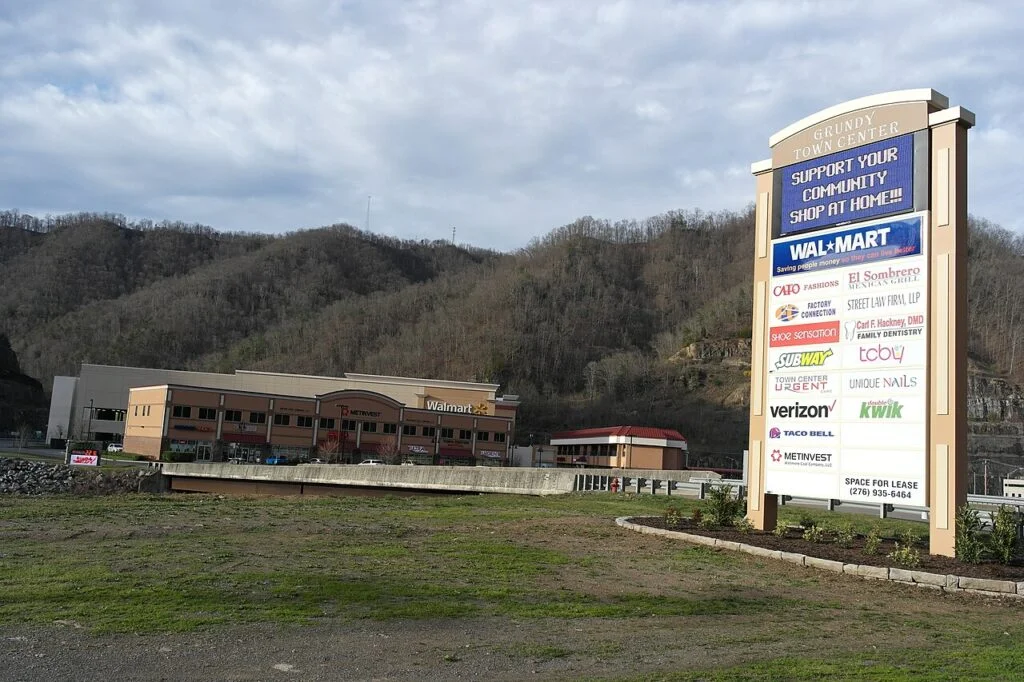
Grundy, Virginia, holds a significant place in my family history, even though I've never set foot there. My grandfather, affectionately known as Sido, made the improbable transition from Nablus to this small town nestled in the Appalachian Mountains during the late 1970s. Back then, Grundy was a coal mining hub, the rural seat of Buchanan County, notable for housing Buchanan Mine, the deepest longwall coal mine in the United States.
In its prime, Grundy was characterized by its verdant hills and an overwhelmingly conservative population. The population was around 1,100 when Sido arrived; it's since declined to 875. The town back then lacked major chains—no Walmart or Kmart, just an A-Mart. Dining options were limited to Hardee’s and a Long John Silver’s, with quirky local establishments like Burger Queen and Dairy Queen standing in for the familiar fast-food giants. My family has shared anecdotes about Sido's adjustment to rural life, which included interactions with an extraordinarily small minority presence—two Black students and a solitary Hispanic classmate at the private Mountain Mission School. Sido was one of only four nonwhite doctors in a sea of local practitioners.
Before his journey to Grundy, Sido was an accomplished surgeon in Nablus, leading Watani Hospital and heading the Red Crescent Society. With extensive training from UVA and Sloan Kettering, he specialized in oncology, reconstructive surgeries, and obstetrics. In 1977, his eldest son, Saad, was heading to college in Colonial Heights, aptly dubbed "Colonial Whites" by locals. Saad faced considerable racial tension, often enduring slurs from peers who were oblivious to his Palestinian roots.
Sido initially planned to return to Nablus after settling Saad. However, that intent transformed. He began seeking job opportunities in the area, which led him to a position at Fort Lee, near Petersburg, Virginia, supplemented by moonlighting at a hospital in Emporia. With the demand for medical personnel surging thanks to the 1970s coal boom, Sido soon found a role that offered a more stable future. He accepted a position headed the surgery ward at Buchanan General, a new facility built to address the influx of miners' health needs, securing a monthly salary of $6,000—a substantial sum at the time.
While he awaited the arrival of his family, my grandmother, Tata, stayed in Nablus with two of their younger children. The plan was to reunite once Sido had established a stable lifestyle. However, the call of American life was strong. In September 1979, Tata and three of her children made the trek across the ocean, landing in Washington, D.C. No doubt enamored by an image of America steeped in urban excitement and cosmopolitan culture, Tata soon came to realize that her new reality in Grundy would starkly contrast her previous life in New York City.
As they rolled into Grundy, the sense of impending culture shock loomed large. The beautiful, busy world of her imagination gave way to a quiet, rural community devoid of bustling cafes and vibrant nightlife. It became particularly evident when the family arrived at the Anchor Inn—a stark reminder of how far removed they were from city life. Tata could hardly contain her dismay and quickly called Saad in tears, asking why he hadn’t adequately prepared her for this drastic change.
All of this paints a picture far richer than just a geographical change. It's about the collision of expectations versus reality, the nuances of cultural identity, and the uncanny feeling of belonging in a place that feels entirely foreign—even when it carries your family's legacy. Grundy may be a small dot on the map, but for those connected to it, it’s teeming with history and deeply personal narratives, especially for someone like me who longs to understand where I come from.
A Legacy of Resilience
The complexities of identity and belonging seep through the entire narrative, a poignant reflection on the choices made under pressure and the weight of familial duty. Sido's attempts to safeguard his family from the political turmoil in Nablus offer a glimpse into a life marred by conflict. His decisions weren't just about survival; they were filled with the hope of creating a future where his children could thrive. Sending Sami to Cairo for a better education was a desperate but strategic move. The odds against Sami were severe—those who fought alongside him in demonstrations often paid the ultimate price, while he managed to escape that fate, at least temporarily.
This transition from Nablus to Cairo was not merely geographic; it symbolized the push against the tightening grip of occupation—and it foreshadowed the generational divide faced by many Palestinian families. Sido's reluctance to let Ammar tread the path of political resistance demonstrates a father's instinct to protect, but it also inadvertently highlights a broader tension within their community: must resistance and futurity coexist, or can they be separated?
As Sido endeavored to reestablish connections with his past—seeking citizenship from Saudi Arabia that had been promised long ago—the weight of lost opportunities became clear. The situation in the West Bank spiraled beyond initial expectations, forcing choices that many hoped would offer refuge yet often resulted in barriers.
The Ties that Bind
In the quieter corners of Grundy reside memories that compile a tapestry of family history, where my uncle’s early experiences shaped much of the family's narrative. Though my mother initially resisted moving to America, it was there—in that little town—that her future unfolded. The meeting with my father was a serendipitous turn of fate, yet it replicated the cycle of cultural dislocation and adaptation that our family had always known.
What’s striking is how Sido's familial bonds played a crucial role in weaving this legacy. His initial opposition to my mother’s early marriage to my father suggested a protective instinct rooted deeply in cultural values. Yet, those same ties that sought to anchor them in tradition also encouraged a leap into the unknown. Despite fears and skepticism, my mother chose love, marking a significant departure from her original life path. This narrative arc—between resistance and acceptance, tradition and modernity—yielded not only individual stories but also a collective history filled with nuanced ties.
Ultimately, the return to Grundy remains a poignant reminder of the crossroad between heritage and embracing change. In skipping out on a visit, I became more aware of how physical place intertwines with personal history. The majestic beauty of that town, when juxtaposed with my family’s struggles, reveals a striking resilience that resonates across generations.
As we reflect on these narratives, we’re reminded that history does not exist in isolation. Each decision, each path taken shapes not just individual lives but families and legacies—always underpinned by the unseen forces of circumstance and choice. Therein lies the heart of this story: it is an enduring legacy of resilience against overwhelming odds, woven through the lives and choices of those who came before, echoing still in the generations that follow.
Discussion
Sign in to join the discussion.