The Paris Review unveils its submission process, revealing how it discovers and nurtures new literary talent from the slush pile.
Uncovering New Voices
The Paris Review is reopening its online submissions for prose and poetry this October, and with it, an opportunity for emerging writers to gain exposure. This renowned publication, with a legacy spanning over seventy-three years, has championed literature in all its forms, regularly showcasing the works of writers who might not find their voices represented elsewhere. With its commitment to reviewing unsolicited pieces, The Paris Review has a history of spotting and nurturing talent like Yiyun Li, Philip Roth, and Wells Tower, allowing what many call the "slush pile" to serve as a vital gateway for literary discovery.
The Slush Pile Journey
A piece’s path from submission to publication can be complex, as articulated by assistant editor Owen Park. The Review leverages platforms like Submittable to streamline the submission process — a shift that reflects broader trends in publishing towards digital solutions. From this centralized hub, contributors can share their work, including notable recent poems like Rachel Lapides’s “Public Domain” and Edward Salem’s “My Aerodynamics.” This online infrastructure plays a key role in democratizing literary submissions, enabling a wider array of voices to be heard, especially those from underrepresented backgrounds.
Selecting Promising Writers
Occasionally, the editors pull a standout piece of prose directly from the submissions system. More often, they reach out to writers whose work shows promise. This interactive editorial approach is significant — it reflects a cultivation of relationships between the publication and new authors. Take Brian Ma, for instance. His story “Their Utopia,” which appeared in the recent Fall issue, was not a one-off submission. Ma sent multiple contributions over time, steadily honing a narrative centered around life in a cell-phone factory in Vietnam. This highlights a critical part of the selection process: persistence pays off. Editors are looking for evolution and depth in a writer’s journey, often favoring those with a track record of refining their work.
A Yearlong Dialogue
The selection process can extend beyond the initial read. In the case of Chad Fore, the conversation began in early 2025, spurred by an enthusiastic recommendation from a reviewer. This led to nearly a year of correspondence, showcasing how long the editorial process can truly be. His short story “Lil Spooky,” which dives into the gritty realities of freestyle rap and gang violence, ultimately represents more than just a publication—it embodies a long-term investment in a writer’s potential. It’s easy to overlook the significance of this dialogue. But it’s emblematic of a deeper editorial philosophy that values thorough exploration over quick decisions.
Discovering Writers Beyond the Inbox
While the digital submissions process is vital, discovering new talent often means stepping outside the office. The editorial team actively participates in book festivals and engages with educators, placing them in contact with emerging voices. They seek recommendations from fellow writers, tapping into community networks that are rich with potential. Certain poems and stories, such as Millicent Borges Accardi's “Good Tank Farms,” demonstrate that the literary search extends beyond the confines of email, with some submissions arriving through traditional mail. This dual-method approach is illustrative of a broader trend in publishing, where personal connections often lead to the discovery of extraordinary talent.
The Personal Touch in Publishing
It’s easy for writers to dismiss the submission process as sending work into a void. Yet, the Review maintains a deeply personal approach, relying on face-to-face conversations, handwritten notes, and even long phone calls. This human element isn’t just sentimental; it’s strategic. The team understands that building rapport with writers can foster trust and creativity, which can lead to groundbreaking work. It may not be the fastest way to operate, but the quality of new literature that emerges is invaluable. What’s evident is that the process, while lengthy and laborious, fosters a richer literary community where writers feel valued and heard.
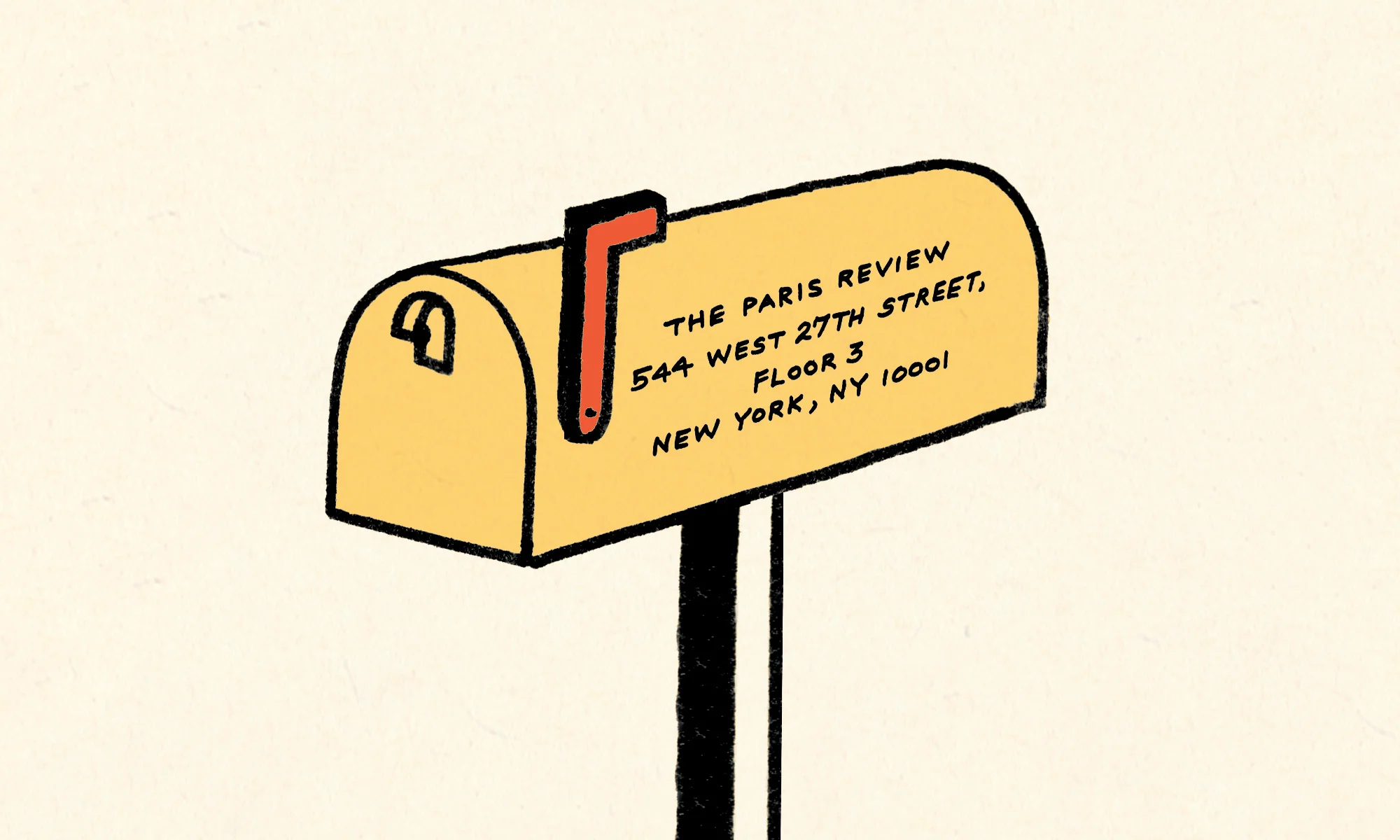
For those considering submitting their work, The Paris Review invites you to read the submission FAQs. And for the perpetually late, there's now the option of sending hard-copy submissions year-round.
Implications and Future Outlook
This return to open submissions has broader implications. The Paris Review’s engagement with new writers might signal an intent to refresh its roster and connect with the next generation of literary talent. In a world where digital submissions dominate, this process not only democratizes writing opportunities but could also influence which voices gain prominence in literary circles. If you're working in this space, the focus on personal interaction and continuous dialogue reflects an evolving understanding of what it means to support writers. This personal touch can redefine the submission landscape, creating a more intimate relationship between publication and author.
Owen Park serves as the assistant editor for The Paris Review.
Discussion
Sign in to join the discussion.