Sunday, October 11, 2026Analysis · Ideas · Culture
Newsinsiderly

CELEBRITIES

Exploring F. Keith Wahle's Poetic Journey: Life, Art, and the Echo of Vulnerability

Published Sep 29, 2026765 readers

F. Keith Wahle's poetry intertwines humor and depth, reflecting his complex life experiences and unique insights into art and vulnerability.
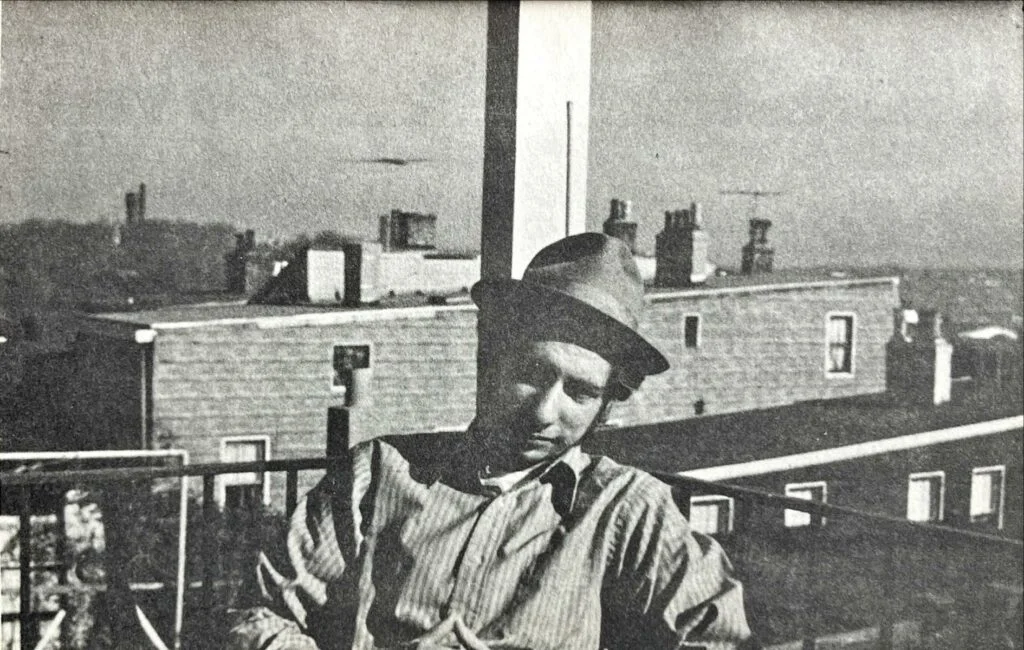
Exploring F. Keith Wahle's Poetic Journey: Life, Art, and the Echo of Vulnerability
## F. Keith Wahle: A Poet's Journey through Life and Art F. Keith Wahle's literary career began in an unexpected location: the Cincinnati Public Library. It was here that he honed his craft while navigating a life steeped in complexity and creativity. Born and raised in Cincinnati, Wahle served as a conscientious objector during the Vietnam War, opting to work as an orderly in a psychiatric ward. This experience proved crucial, inexplicably intertwining with the fabric of his poetry, which often explores unsettling themes. After only a brief departure to attend the prestigious Iowa Writers’ Workshop—where he studied under notable poets like Donald Justice, Mark Strand, and Larry Levis—Wahle returned to his roots, where he would maintain a long-standing partnership with the library and with Beth, his wife of fifty-two years. His initial poem, “Sonnet,” was published in **The Paris Review**, an ironic title for a piece that playfully subverts the sonnet form. During the mid to late seventies, Wahle's unique voice caught the attention of the magazine's poetry editor, Michael Benedikt, leading to several more publications. However, despite this early recognition, Wahle's work has remained largely overshadowed, a reality further highlighted during a recent visit to his home in Ohio, mere months after Beth's passing. Surrounded by DVDs and seasonal decor, I realized the palpable weight of their shared life—the remnants of their years together so carefully preserved. Wahle's poetry is a curious blend of humor and hallucination. His readers often find themselves oscillating between laughter and discomfort. It’s not every day you hear someone say they can't read a particular collection—Wahle’s **A Choice of Killers**—at night, unless you conjure images of Edgar Allan Poe. His fascination with pop culture is evident; from his appreciation for classic comedians like Laurel and Hardy to his collectible love for Walt Kelly's *Pogo*, the influence permeates his verses. Wahle has crafted works that are, by turns, brightly colored and candidly erotic, existing as far more than just poetic exercises; they give voice to a deeper, often surreal commentary on life and desire. ### A Life in Motion Later in our conversation, Wahle shared an intriguing glimpse into his artistic process. He showed me old home movies that oscillated between the absurd and the profound—one set featured lovers clad in vibrant underwear, while another showcased his avant-garde performance piece, **Can Anyone Hear?** Here, he enacted harrowing scenes, crawling blindfolded before an audience, each vignette more haunting than the last. His unabashed creativity and willingness to expose vulnerability onstage—culminating in his complete nudity—mirrored the honesty of his poetic voice: challenging, raw, and revealing. Wahle’s performance question—“Can anyone hear what I'm saying?”—echoes a growing concern about the dialogue between poet and audience. In a world flooded with voices, the question feels more relevant than ever. His experiences, no matter how distant they may appear, serve as the hidden threads woven through his work, suggesting that the real world often seeps into the poetic realm, shaping and reshaping its landscape. What’s particularly striking about Wahle is his unconventional approach to technology. Opting to stick with typewriters over the complexity of modern computers, he finds solace in their limitations. This choice raises questions about the balance between craft and tool—perhaps echoing back to a more intuitive time when writing felt more immediate. His aversion to excessive revisions speaks to a deep confidence in spontaneity and instinct that many writers struggle to embrace. Each ‘unpoem’ he creates marks a departure from traditional expectations, an exploration of brevity and a challenge to the idea of perfection in poetry. The complexity of Wahle's life experiences and insights undeniably infuses his artistic oeuvre, making him an intriguing figure in contemporary poetry. As he reflects on the intertwined nature of his existence and his work, one can’t help but wonder what further layers lie beneath the surface of his writing. In a literary landscape shaped by conventional norms, Wahle stands as a unique voice, inviting readers to engage with words that resonate with both laughter and unease. For those invested in the intersection of personal narratives and poetic expression, F. Keith Wahle offers a compelling glimpse into the heart of an artist's journey.

Confronting the Absurd: The Art of Expression

At the intersection of personal exploration and societal commentary lies the provocative work of poet Keith Wahle. When discussing his poem, "The Caller," Wahle doesn't shy away from controversy, using outrageous imagery to create a fictional narrative that evokes both shock and introspection. He describes the poem's opening declaration about his habits during phone calls as an exaggeration — a performance wrapped in hyperbole rather than a narrative rooted in reality. This contradiction only amplifies the absurdity, pushing readers to question the boundaries between truth and fiction in art. What’s fascinating here isn’t just the audacity of his claims but the underlying honesty. There's a kernel of genuine experience in his exaggerated tales, like intimate, albeit unconventional, conversations that play out over the phone. Wahle's work provokes a critical dialogue about our often hidden impulses and desires, raising questions that resonate well beyond the page. If you're an artist, reckoning with the truth of your own experiences can indeed produce something remarkable — even if it requires a layer of absurdity to convey.

Exhibitionism and the Creative Process

Wahle's admission that he’s wrestled with his own exhibitionism sheds light on another layer of his artistic expression. In recalling his first experience performing naked during a reading of "Naked At Last," there's a palpable sense of both discomfort and liberation. Initially, he approached this act with trepidation, worried about how it might distract from his poetry. However, after stepping into that vulnerability, he found an unexpected freedom, highlighting the paradox that often accompanies self-exposure in art. This reluctance to fully embrace his exhibitionist tendencies mirrors the experiences many artists face. For Wahle, it wasn’t merely about being naked on stage; it served as a metaphor for laying bare one’s inner turmoil, fears, and truths. If you're involved in creative work, consider how embracing your vulnerabilities might enhance your authenticity and connect more deeply with your audience.

The Responsibility to Rattle

Wahle's exploration of dark subjects — such as a cold-hearted serial killer calmly dissecting his philosophy on torture in "The Killer on the Radio" — signals his commitment to pushing boundaries. He acknowledges that his narrators are often morally ambiguous figures, serving as a canvas for exploring extreme themes like sexuality and violence. "The artist should give them the chance to see that those things do exist in the world," he states, emphasizing the moral imperative artists have to confront uncomfortable truths. This approach raises an important question: is it enough to merely stir the pot, or does art need to be a vehicle for deeper understanding? Emerging works often flirt with the sensational, but Wahle’s perspective reminds us that there's great value in confronting the grotesque if it leads to contemplation and conversation.

Embracing Flaws in Expression

As Wahle reflects on the reception of his poem "A Man" — which he describes as a "one-joke poem" after some initial pride about its publication — he confronts the challenges of self-critique. The acknowledgment of its perceived triviality reveals an important truth about the creative journey: not every piece will resonate equally, and that’s okay. It's easy to get caught up in the pursuit of perfection, but why not embrace the imperfections too? If you’re creating in this space, take Wahle’s thoughts as a reminder that each work has its own value, whether it’s due to its craftsmanship or the connections it forges with readers. Even as he downgrades the significance of some of his earlier pieces, he recognizes that their impact on others can't be minimized. This duality is something every artist should embrace, understanding that every expression contributes to the broader dialogue about art and existence. With every poem, each performance, and every reckoning, Wahle offers a raw glimpse into the turbulence—and beauty—of the human experience. His willingness to tackle the absurd and the uncomfortable ensures that his work remains a vital part of contemporary poetry. As we move forward, let’s consider how our own narratives can challenge norms, provoke thought, and perhaps even inspire change.
Source: Joseph Grantham · www.theparisreview.org

Discussion

Sign in to join the discussion.