Rosie Grant's cookbook celebrates recipes etched on gravestones, blending culinary heritage with heartfelt stories of community and remembrance.
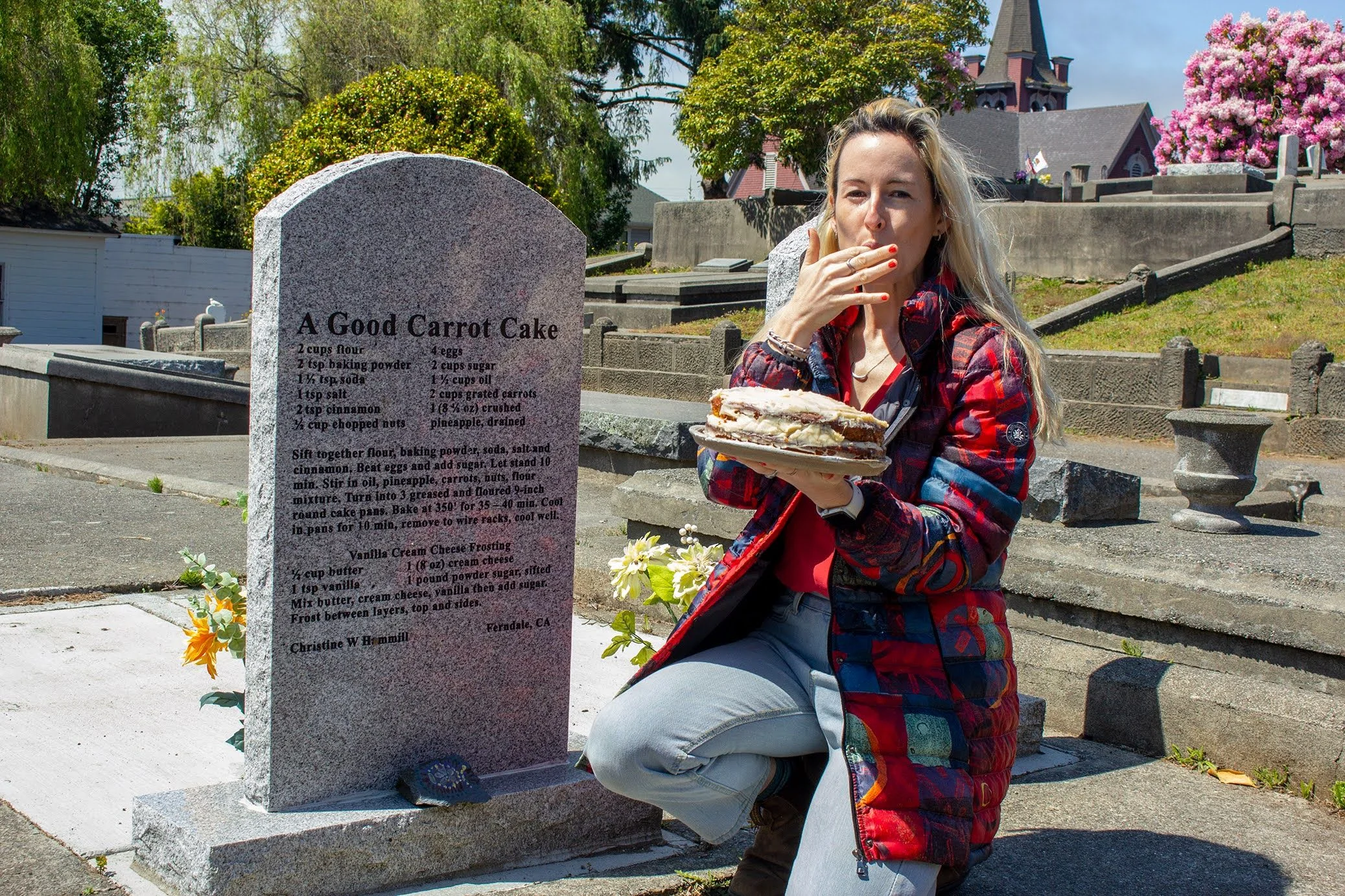
A recipe immortalized in stone? That’s the intriguing premise behind Rosie Grant's ongoing project, which has transformed into a cookbook titled To Die For. The title aptly encapsulates her exploration of “gravestone recipes,” which have become synonymous with departed loved ones, proudly engraved on their headstones.
This effort is particularly poignant as it coincides with the season of remembrance, focusing on the enduring legacies of individuals who demonstrated extraordinary passion in their everyday lives—whether they were beloved teachers, humble dentists, or the neighbor everyone cherished. Each recipe serves as a testament to their skill and love for feeding their communities.
A Culinary Expedition Across Graveyards
What began as a personal curiosity gradually morphed into a deeper reflection on identity, place, and the marks we leave behind. For the past five and a half years, Grant, through her TikTok and Instagram accounts named ghostly.archive, has traversed the United States—from bustling cities to remote locations like Nome, Alaska—and even ventured into Nova Scotia. These travels allowed her to connect with families and uncover their stories while visiting the resting places of their loved ones.
This journey has proved to be as much about personal healing as it is about culinary nostalgia. Her cookbook features an array of recipes that evoke the comfort of traditional funeral foods, such as spritz cookies and carrot cakes, alongside unique dishes like WWII-era guava cobbler and a no-bake blueberry pie. The collection doesn't shy away from more unexpected entries, such as a savory meatloaf, a homemade ranch dip, and even a distinctive Jack Daniel’s marinade, showcasing the diversity of American culinary traditions.
Breaking the Ice on Mortality
Grant has found that discussing food often serves as a gentler entry point into the heavier subjects of mortality and grief. She reflects on her upbringing among parents who led ghost tours in Alexandria, Virginia, a family more comfortable discussing the supernatural than confronting death. “Something like a recipe feels so life-giving,” she states, emphasizing that conversations around food can ease the discomfort of discussing death.
Much of the cookbook’s content centers not just on the recipes themselves but on the emotional connections they conjure. She recounts how sharing the sensory memories tied to baked goods—like the anticipation of cookies baking and the nostalgic aromas that permeate kitchens—shapes a holistic understanding of individuals and their legacies.
Connecting with Loved Ones Through Recipes
The 40 recipes included in the book were all approved by the families of the deceased. Grant reached out to many of them through digital channels, uncovering stories tied to each dish. A notable example is Naomi Odessa Miller-Dawson, whose headstone, located in Brooklyn’s Green-Wood Cemetery, features a book inscribed with her famed spritz cookie recipe. Her son, Richard Dawson, shared heartfelt memories of waiting for the cookies to cool, which deeply impacted the direction of the project.
Through her explorations, Grant has infused a sense of intimacy into the concept of gravestones. She notes that the evolution of grave markers from wood and slate to more durable granite has allowed for stunning customizations that tell stories about those they memorialize. “Cemeteries are beautiful grounds still vibrating with life and knowledge,” she observes, inviting others to embrace this perspective.
A Lifeline to Legacy
Grant's dedication resonates with those involved in the Death Positive Movement, advocating for open discussions about mortality and end-of-life planning. While she has faced criticism for her unique approach, many individuals find inspiration from her project as they ponder their own culinary legacies or lament missing the chance to collect recipes from departed family members.
Despite initial intentions to focus solely on the recipes, Grant found value in placing emphasis on the stories and relationships that inform each dish. “It really changed the project in the sense that it made the project,” she reflects, illustrating how the connections with families have enriched her work.
Documentation and Preservation of Family Recipes
Although initially, Grant envisioned a straightforward online PDF for her recipes, families expressed a desire for something tangible and lasting. This feedback led to the creation of the book, designed to mimic heirloom cookbooks that are often passed down through generations.
A particularly impactful aspect of her cookbook includes guidance on how to document one’s own familial food legacies. Grant recognizes the discomfort that can come from broaching such subjects with loved ones, offering practical tips on how to capture recipes through shared cooking sessions or even just texting photos of treasured recipe boxes.
This project has taken on a life of its own, evolving into a nexus for discussions about memory, grief, and the rites of passage that accompany death. Sharing in the experience of cooking together or reminiscing over a meal provides cathartic moments, allowing individuals to reconnect with their pasts.
Ultimately, Grant underscores the importance of keeping such individual histories alive: “If we don’t do it, nobody else will.” Her work stands as a heartfelt reminder of the enduring power of food as a means to foster connection beyond the constraints of time and loss.
Discussion
Sign in to join the discussion.