A ten-minute, four-ingredient cranberry sauce that works with fresh or frozen berries, keeps five days, and cuts through rich holiday meals.

Most cranberry sauce is a side dish nobody fights over. This one is different, and the reason is simple: it's built around the sharp fruit instead of burying it. Priya Krishna has served it at her family's [Thanksgiving table](https://www.bonappetit.com/story/cranberry-sauce-indian-thanksgiving-staple) for years, alongside her mother's elaborate Indian-inspired holiday cooking. In a meal that's heavy on richness, the sauce is the thing that cuts through.
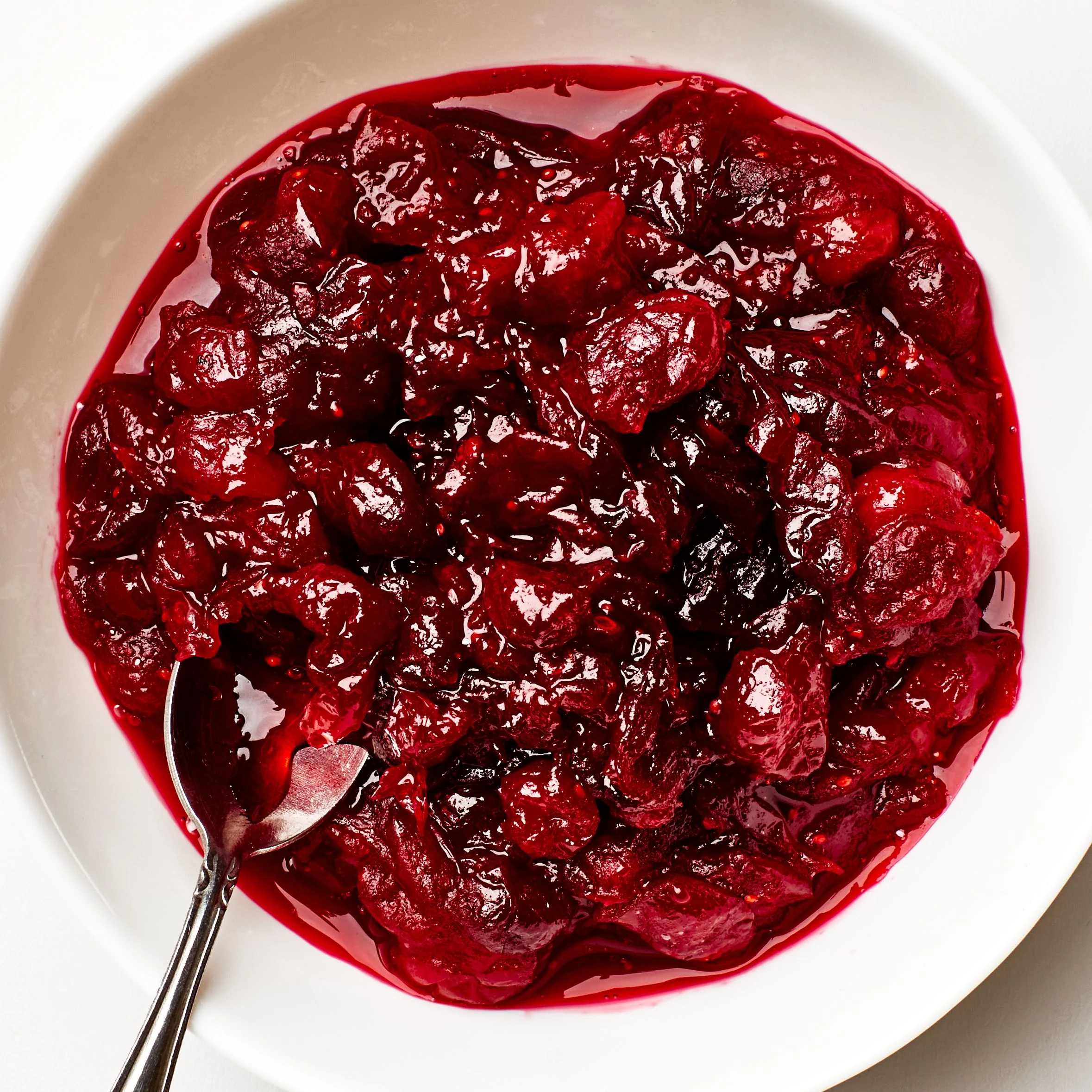
*Photograph by Isa Zapata, food styling by Taneka Morris*
## Ten minutes, four ingredients
The whole thing takes about ten minutes on the stove. You need cranberries, sugar, orange zest, and water. The cranberries can be fresh or frozen, which matters more than it sounds like it should, because the holidays are exactly when fresh fruit gets scarce and frozen bags sit in the freezer unused.
Ten minutes and four ingredients isn't a shortcut here. It's the point. Every extra step is another way to flatten the flavor you actually want.
## Where the recipe came from
Krishna's mother first started making cranberry sauce after tasting a homemade version at a friend's house. She didn't copy it exactly. Over time she made the recipe her own, cutting back on the sugar to push the tang forward and adding orange zest for brightness.
That's the kind of adaptation that tends to stick. Recipes that get passed around and changed by a family usually end up better fitted to the table than the original ever was.
## Why the fancy versions don't win
The family has tried the showier options. Maple syrup, chiles, warm spices: they've all been tested. And yet the stripped-down version keeps coming back.
The reasoning is blunt. Anything added on top of the sauce dulls the sharp cranberry bite, which is the only reason to make it in the first place. If you're tempted to jazz up your sauce this year, it's worth asking whether you're improving the cranberry or just covering it up.
## Optional tweaks and make-ahead
A splash of orange liqueur is optional. You can also swap some or all of the white sugar for light brown sugar, which shifts the sweetness toward something deeper without changing the core recipe.
The bigger practical win is timing. The sauce keeps for up to five days, so you can make it before [Thanksgiving Day](https://www.bonappetit.com/gallery/best-thanksgiving-recipes-ideas-gallery) and remove one item from a list that's already overloaded. Anyone who has tried to juggle a stove full of dishes on the holiday will appreciate that.
## The questions people actually ask
**Can I use frozen cranberries?** Yes. Fresh and frozen both work, and frozen berries don't need to be thawed first. They may take a bit longer to burst and turn jammy, so give them time.
**Can I leave out the orange liqueur?** Yes, and you won't lose much. The liqueur adds another layer of citrus, but the zest already brings the fruity brightness. The choice of liqueur does change the character, though. Brandy-based Grand Marnier adds warm, vanilla-like notes, while Cointreau tastes cleaner and brighter.
**Why is my cranberry sauce runny?** Cranberries carry natural [pectin](https://www.bonappetit.com/story/what-is-pectin), which thickens the sauce as it cools. That means a sauce that looks thin in the pot may firm up once it's cold. If it still seems loose after cooling, return it to a simmer and keep cooking until it coats the back of a spoon and holds a clean line when you drag a finger through it.
Here's the thing about that last answer: it's the one that trips up most home cooks. They pull the sauce as soon as the berries pop, assume it's done, and end up with a watery bowl at the table. Cooking it a little longer is the fix, and the test is visual, not a timer.
Discussion
Sign in to join the discussion.