Vinegars aren't interchangeable: each brings its own flavor from its source. Discover 11 types worth keeping in your pantry and their best substitutes.


What separates one vinegar from another
Every vinegar starts as alcohol. Bacteria convert that alcohol into acetic acid, and the source material does most of the work in determining what the final product tastes like. Wine, apples, rice, malted barley, and sugarcane all produce distinctly different results. Fermentation and aging then layer on more character, which is how you end up with everything from the crisp, fruity tang of apple cider vinegar to the deep, savory complexity of Chinese black vinegar. That's the reason substitution takes a little thought. Sathish Kumar, head chef at Indienne in New York and Chicago, puts it plainly: "Each vinegar contributes its own flavor and character rather than just adding acidity." Swap one for another and you're changing the flavor profile, not just the sourness. There are countless vinegars out there. These are the ones cooks reach for most often.
Types of vinegar
Apple cider vinegar
 Apple cider vinegar begins with apples, which are fermented into hard cider and then into vinegar. The result is bright, fruity, and pleasantly tart, with enough personality to hold its own next to bold ingredients. It's also wrapped up in some debatable health claims, which is worth keeping in mind before you start treating it as a tonic.
In the kitchen, it earns its keep. Use it in salad dressings and quick-pickled onions, or anywhere a little fruitiness improves the dish. It pairs naturally with pork and chicken, especially in apple cider braises. Its acidity also cuts through richness, whether that's a cheeseburger fried rice or braised collard greens. And it makes a heck of a pie, which is the sort of thing most people don't expect from a vinegar.
Distilled white vinegar
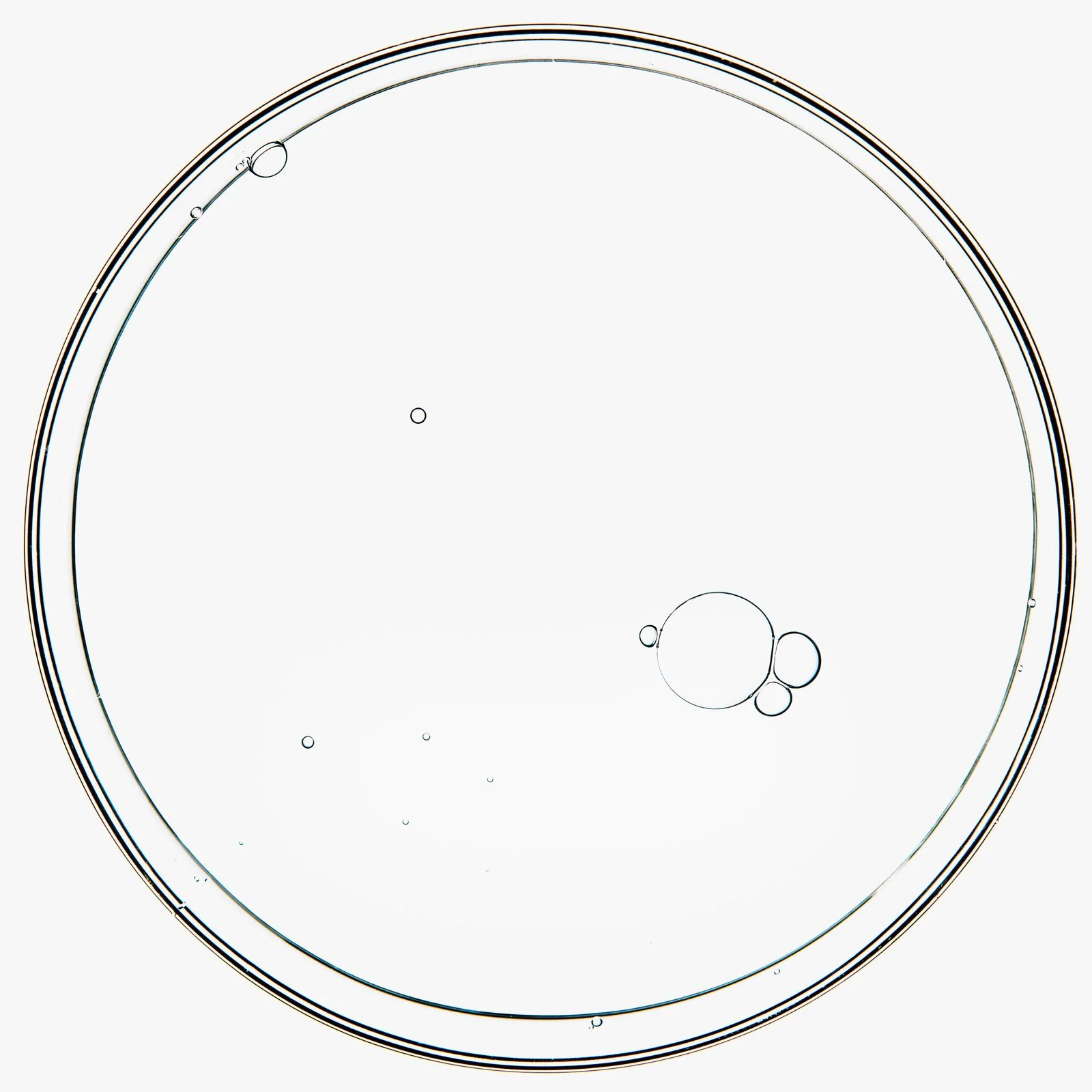 Clear, cheap, and unapologetically sharp, distilled white vinegar is the most direct source of acidity in the pantry. It's made by fermenting distilled alcohol, often derived from grains, and its flavor is relatively neutral. That's exactly the point: it adds sourness without competing with everything else in the pot.
Tom Carlin, chef at Burl in Evanston, Illinois, adds a dash to braises near the end of cooking. It brightens the dish "without changing the flavor at all," he says, which is a useful trick if you want acid without a new taste. The same clean bite makes it a natural for classic dill pickles. It's also a solid base for homemade flavored vinegars, especially those infused with chiles, herbs, or spices, since it won't muddy what you put into it.
Which vinegar can stand in for which
In many cooked dishes and dressings, rice, apple cider, or white wine vinegar can fill in for each other. Each one brings its own flavor, though, so taste as you go and adjust before you commit to the pan.Red wine vinegar is the loudest bottle in most kitchens. It's bold, fruity, and assertive, and it's hard to replace. You can't make a proper Greek salad or a mignonette for oysters without it. Like white wine vinegar, it starts as wine that goes through a second fermentation, but the red wine base gives it a heavier, deeper fruit flavor.

It earns its spot across a lot of cooking. It brings welcome acidity to BA's Best Gazpacho, coq au vin, a pot of hearty lentils, and rich meat marinades. If you're building a vinaigrette for a salad heaped with tomatoes, olives, or cheese, this is the bottle to grab.
No red wine vinegar on hand? You can use white wine or apple cider vinegar. Sahil Sethi, culinary director at Chicago's Sifr, goes another way and favors sherry vinegar. He argues its nutty, aged character gives a dish the same depth and acidity that red wine vinegar does.
White wine vinegar

Made from white wine, this vinegar is lighter and more delicate than its red counterpart. Its gently fruity acidity is the point. When you want to brighten a dish without drowning it, this is the one to use.
It works in salad dressings, seafood marinades, braised chicken, brothy steamed mussels, and buttery pan sauces like beurre blanc. Conor Dalton, head chef at Smyth in Chicago, calls it "the most versatile" option. He likes to infuse it with herbs such as lemon verbena, which sharpens creamy sauces for shrimp and cuts through richer preparations.
Champagne vinegar
Champagne vinegar is an especially good substitute, and it's the one Sethi keeps coming back to. Sherry, apple cider, and unseasoned rice vinegars can also stand in, depending on the dish.
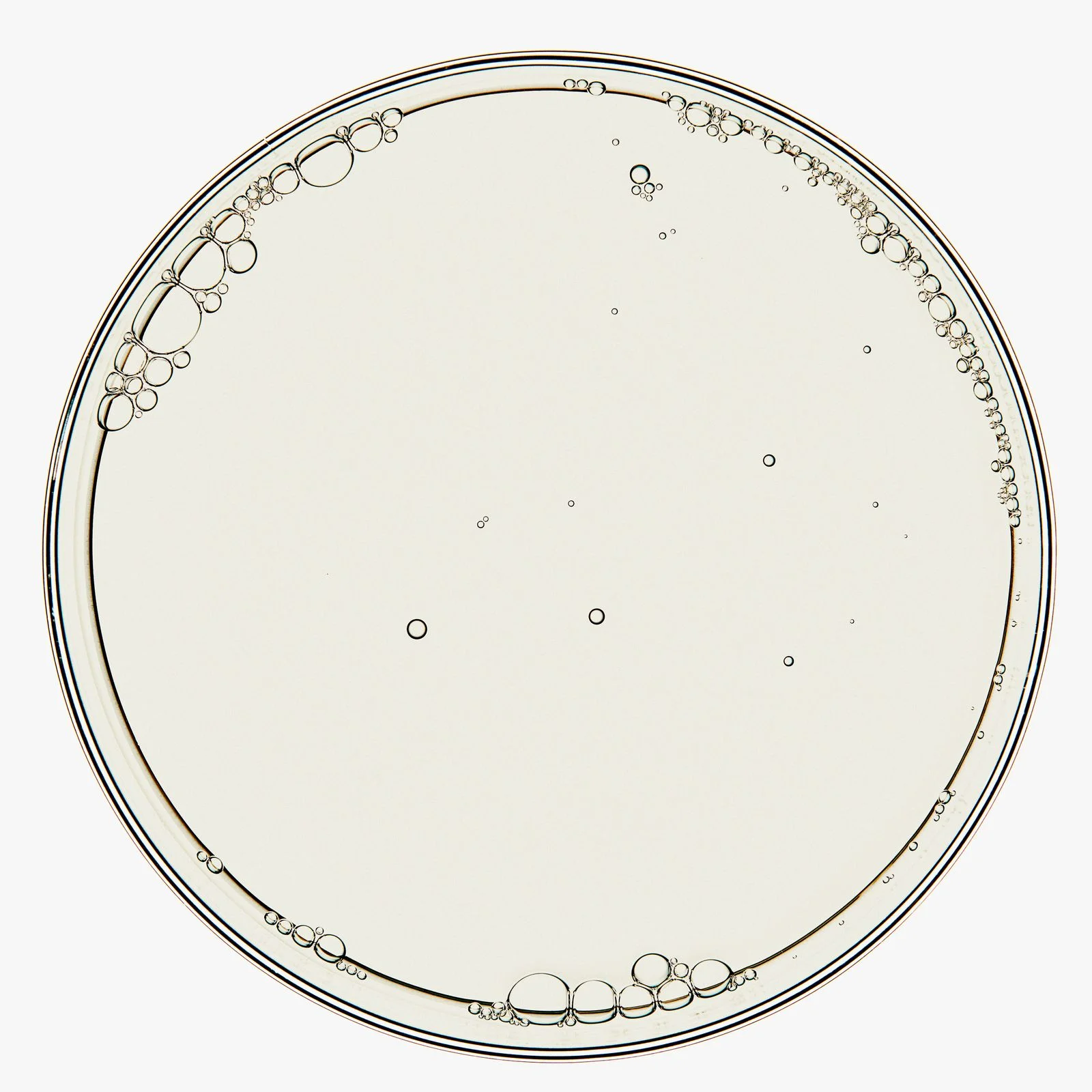
Light, fruity, and delicately tangy, Champagne vinegar is usually made from wines produced with the same grape varieties as Champagne, such as Chardonnay and Pinot Noir. That doesn't mean it's made from Champagne itself, and it doesn't carry the same strict regional protections. Its subtle fruit and floral notes make it gentler than many white wine vinegars, though it isn't necessarily less acidic. Some producers age it in barrels for a rounder, more complex flavor. It's the right call when a more assertive vinegar would steal the show.
Sethi calls it his favorite for salad dressing because of that subtle fruitiness. Try it in a vinaigrette for tender greens, drizzle it over seafood, or dress spring vegetables with it. It adds lift to richer dishes without adding much flavor of its own.
Sherry vinegar

If red wine vinegar is bright and brash, sherry vinegar is its smoother, more thoughtful relative. It's made from sherry wine and aged in wood barrels, and the result is an amber-hued vinegar with a rounded acidity and nutty, sometimes caramel-like notes.
That complexity makes it good at finishing sauces, dressing roasted vegetables, and brightening stews. Try it in a classic leeks vinaigrette, in braised chicken escabèche, or as a glaze for rib eye. Dalton also uses it to deglaze a pan or to lift a sauce at the very end of cooking.
Vinagre de Jerez comes from the area around Jerez, Spain, and must age in wood barrels for at least six months. It's worth keeping a bottle around if you want a vinegar with more depth, though red or white wine vinegar covers many of the same jobs. Malt vinegar is far more robust in flavor, but it can bring some of the same woody, caramel undertones.
Balsamic vinegar
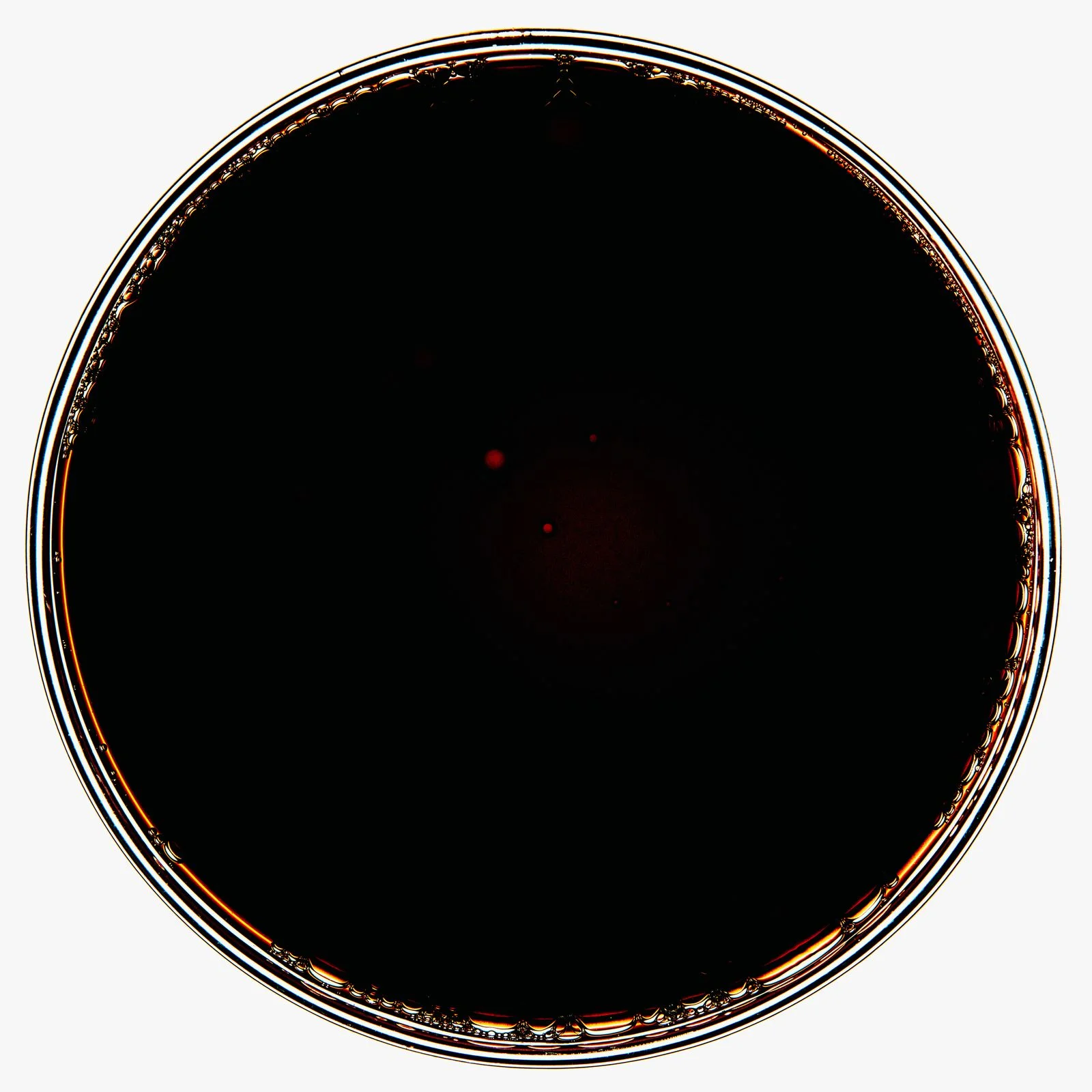
Dark, rich, and sweet-tart, balsamic vinegar can be either a finishing touch or the backbone of a dish, depending on the bottle. Traditional balsamic, made in Modena or Reggio Emilia, Italy, starts with cooked grape must (freshly crushed grape juice) and ages in wood barrels for at least 12 years. The result is intensely concentrated, syrupy, and complex.
The bottle most shoppers actually buy is a different product. It's commonly made by combining grape must with wine vinegar, so it's thinner, tangier, and far less expensive than the traditional version. That's not a knock. It's the everyday bottle for balsamic dressing, for brussels sprouts with honey and garlic, and for adding sweet-tart depth to Balsamic Mushroom and Sausage Pasta.
Want a thicker finishing sauce? Simmer everyday balsamic into a balsamic reduction, which concentrates its sweetness and acidity. Save the good aged stuff for drizzling over Parmesan, ripe tomatoes, or strawberries with vanilla ice cream.
What about white balsamic? It's made with grape must processed to minimize browning, so it stays paler, lighter, and fruitier than the dark version.
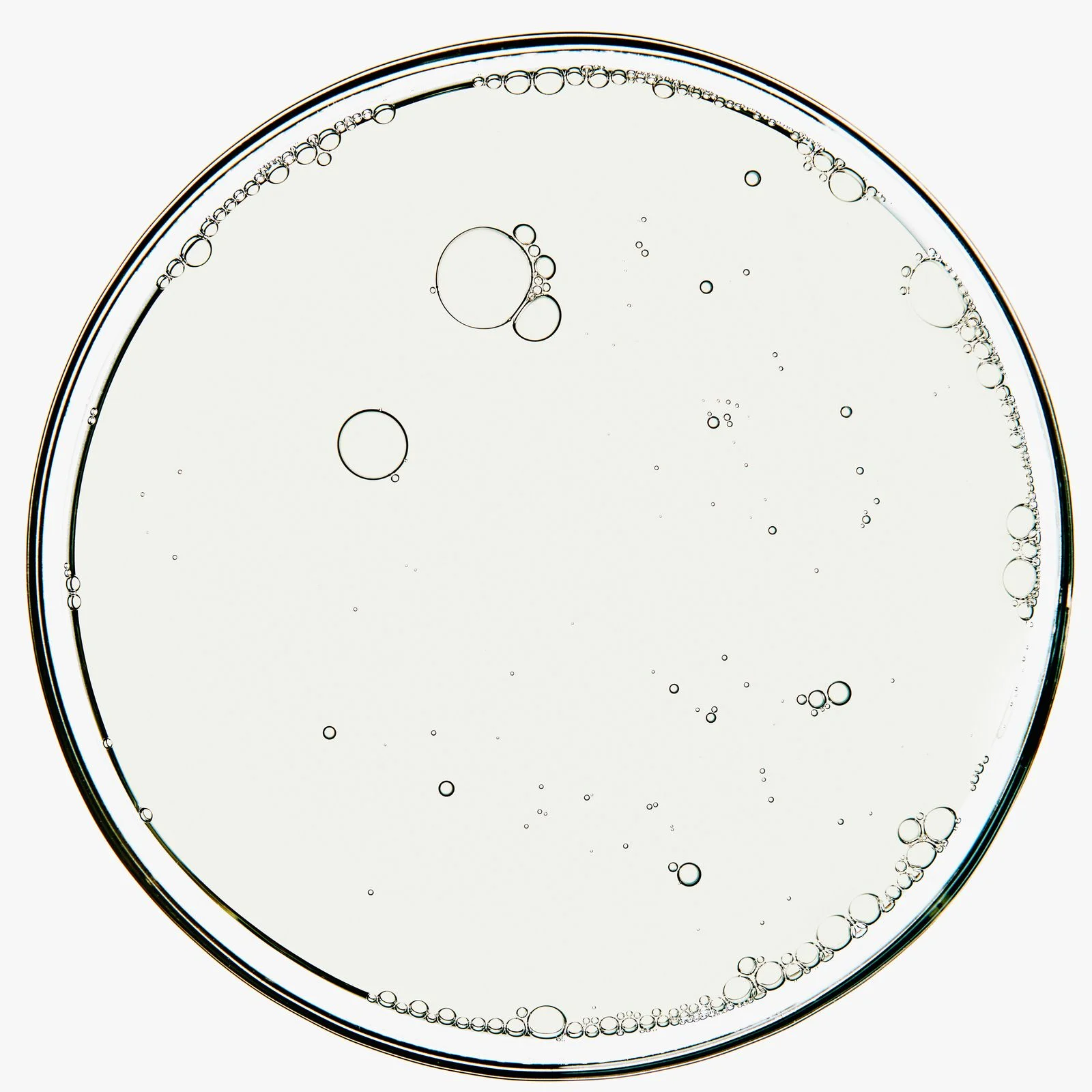
Use it to brighten a melon salad, dress roasted peppers, add sweetness to a pan sauce without turning it brown, or make a sweet-and-tangy custard for a fruit tart.
Balsamic of either color is tough to substitute, because its sweetness matters as much as its acidity. For dressings or cooked sauces, try sherry or apple cider vinegar with a little honey or brown sugar. It won't have the same depth, but it gets you closer to the sweet-tart balance.
Rice vinegar
Unseasoned rice vinegar is the mildest option on the shelf. If a gentle acidity is all you need, it does the job, and it's one of the few substitutes here that won't push a delicate dish around.
Rice vinegar: the mild one that does a lot
Rice vinegar is the quiet workhorse of the pantry. It turns up across Japanese, Korean, Chinese, and Vietnamese cooking, and the production process starts with rice fermented into alcohol, which then ferments again into vinegar. Flavor and method shift from region to region, so no two bottles taste identical. Most grocery shelves carry two versions: seasoned and unseasoned. Jae Seong Ha, head chef at Jeong Yuk Jeom in New York, puts the difference plainly. "Unseasoned rice vinegar has a clean, mild acidity with a subtle sweetness." That neutrality is why it slots so easily into Korean dressings, marinades, and pickled vegetables. It also works in a Crispy Rice Salad with Spicy Tahini Dressing, a tomato-basil salad, Salt and Pepper Fish, and miso-caramel glazed salmon. Seasoned rice vinegar is the shortcut. It arrives with sugar and salt already mixed in, which makes it handy for sushi rice and certain dressings where you'd otherwise measure two extra ingredients. Then there's the naming question. You'll see "rice wine vinegar" on labels too. "The terms rice vinegar and rice wine vinegar are used interchangeably," Ha says. "When shopping, I pay more attention to the ingredient list and whether the vinegar is seasoned or unseasoned." Good advice, because the label's wording tells you less than the ingredient list does. If you're out of unseasoned rice vinegar, Champagne or white wine vinegar will do. Going the other way, start with unseasoned and stir in a little sugar and salt until it tastes right. In a pinch, any other mild vinegar can stand in.Black vinegar: where the depth lives
 Black vinegar is a different animal. It's dark, earthy, and savory, and it contributes far more than sourness. Styles vary, including Chinkiang vinegar from China, but most are fermented from grains such as rice, wheat, or sorghum.
Cheng Lin, chef-owner of Shota Omakase in Brooklyn, describes it as having "a little sweetness, a malty character, and more fermentation flavor" than the milder rice version. He reaches for it with dumplings, noodles, "and other dishes where you want the vinegar to have a stronger presence." That's the key to using it well. Black vinegar leads the dish rather than blending into it.
Dipping sauces for scallion pancakes are an easy entry point. It also goes into a cabbage stir-fry, into Black Vinegar Chicken With Radishes, or into a punchy dressing. Go easy with it. A little goes a long way, and too much will swamp everything else on the plate.
Don't expect a perfect swap. There isn't one. Lin's workaround is a mix of balsamic and unseasoned rice vinegar. "It won't be exactly the same, but it gives you some of that darker, sweeter, aged character." That's a fair trade-off when the bottle is empty and dinner is in an hour.
Malt vinegar: the fish-and-chips staple
 If you've eaten fish and chips, you've almost certainly tasted malt vinegar. It's made from malted barley, ranges from amber to dark brown, and delivers a sweet, nutty tang with a toasted edge.
It's hard to beat on french fries, but it's more versatile than its reputation suggests. Splash it over roasted or steamed potatoes, or stir it into mayonnaise for dipping sweet potato wedges. It adds depth to Sweet-and-Sour Tomato Chutney and to other sauces. Reduce it with chiles and molasses for a sticky glaze for roast chicken, or use it in a tangy lamb chop marinade.
Here's the catch with fried food. A squeeze of lemon brings a similar brightness, but it lacks malt vinegar's toasty flavor, so you'll notice the difference. For sauces and glazes, apple cider or sherry vinegar is a reasonable stand-in.
Discussion
Sign in to join the discussion.