Most mirin on US shelves is aji-mirin, not true hon mirin. Here's why traditional mirin's koku, natural sweetness, and alcohol matter for braises and glazes.

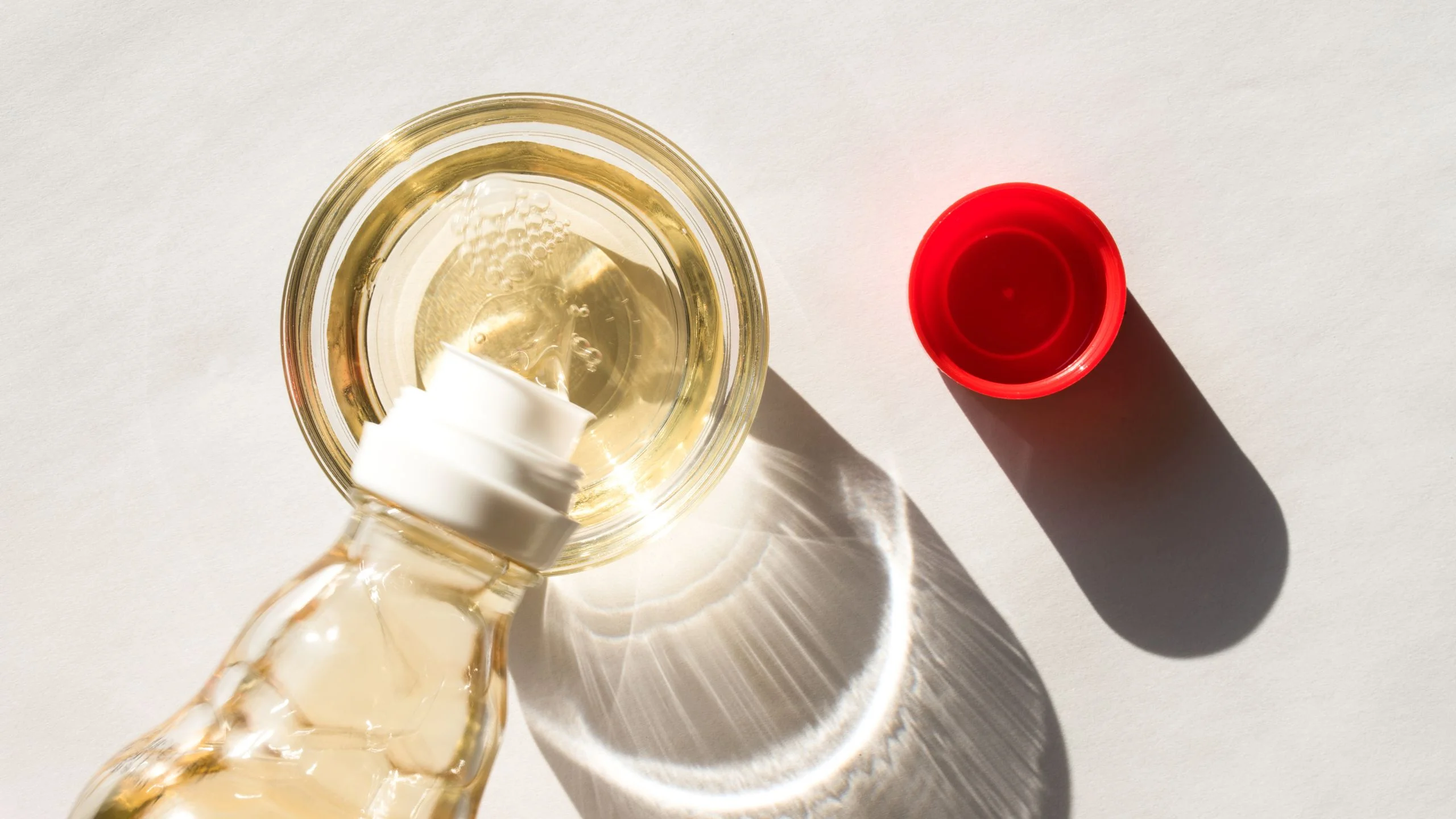
Photo by Michelle Lee Photography/Getty Images
You've almost certainly eaten mirin already. The sweet rice wine sits in the same pantry corner as miso, soy sauce, dashi, and rice vinegar, and it shows up wherever Japanese cooking needs body: simmered stocks, stews, marinades, and sauces. It's also why teriyaki gets that lacquered shine.
The catch is that the bottle on your supermarket shelf probably isn't the one that matters. Most people describe mirin as sweet with a hint of umami. Sonoko Sakai, author of Japanese Home Cooking, reaches for a different word. She prefers koku, and she defines it this way: "Koku is like umami, but it gives not just flavor but aroma; you feel it with your palate, and it gives depth."
That's a more demanding standard than "sweet and savory," and it's where the trouble starts. The mirin most shoppers grab won't reliably deliver koku. Hon mirin, the "true" version, is pricey and hard to find in the US. It's the bottle worth hunting for, and knowing why changes how you cook when you can't find it.
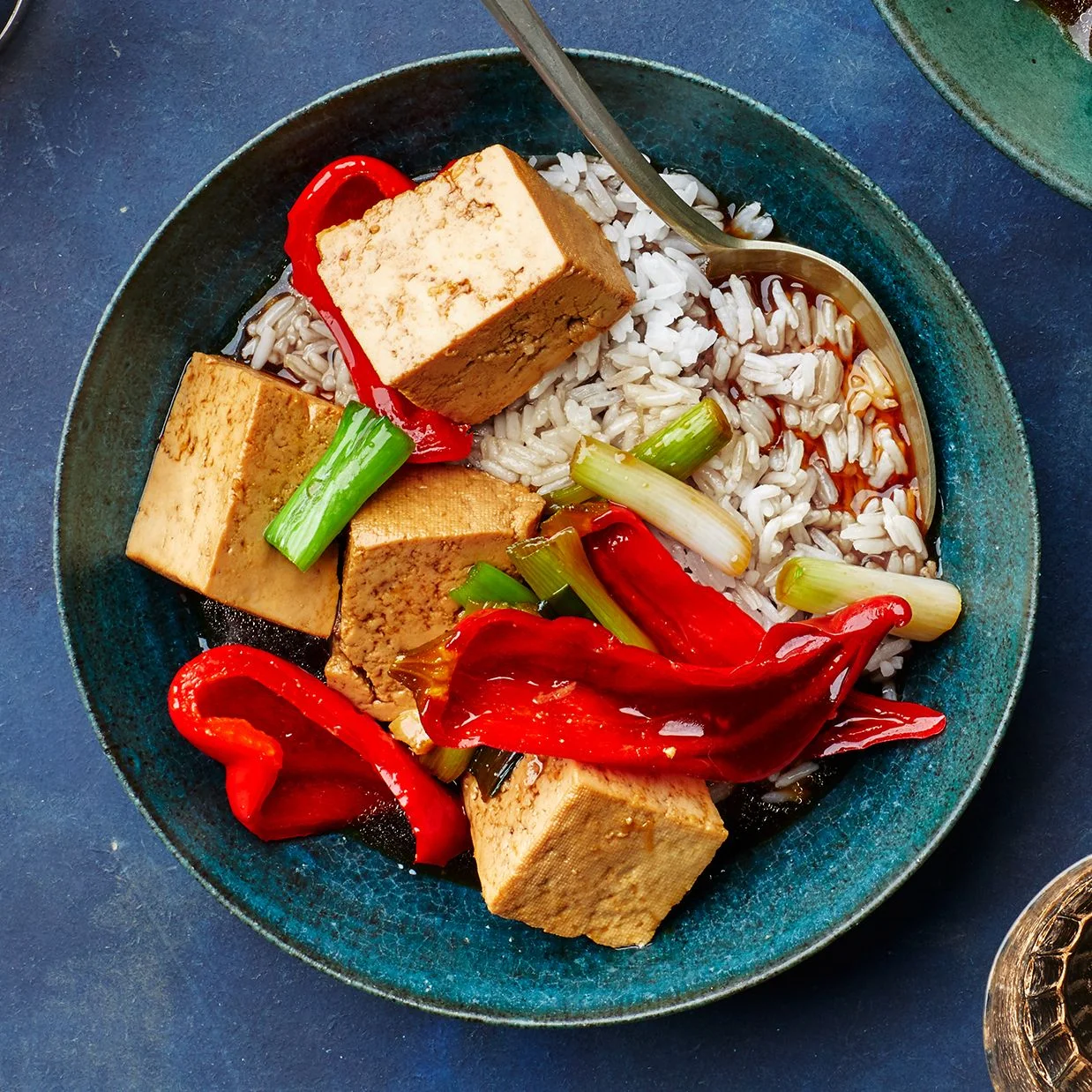
Photo by Emma Fishman, food styling by Rebecca Jurkevich, prop styling by Sophie Strangio
What exactly is mirin?
Traditional hon mirin uses three ingredients: glutinous rice, koji, and shochu, a Japanese distilled spirit that's often made from rice. Nothing else goes in. During production, enzymes break the rice's starches down into "simple sugars, mostly glucose," according to Hiroko Shimbo, author of The Japanese Kitchen. That process is where the sweetness comes from, and it arrives without any added sugar.
Shimbo describes that sweetness as subtler and more "elegant" than table sugar. The numbers back up her restraint. Glucose is about 70% as sweet as sucrose, the sugar most home cooks reach for. Sakai adds that mirin has a lower glycemic index than many other sweeteners. Treat that as a comparison, not a license to pour it freely.
Why the alcohol matters
Hon mirin runs at an ABV of around 14%. That puts it roughly level with some sakes and most grape-based wines, though nobody really sips it. The main exception is o-toso, a traditional New Year's drink built on spiced mirin.
In the kitchen, the alcohol does real work. "Alcohol denatures proteins," Shimbo says. "It helps them firm up slightly—it's also hygroscopic, so it helps to retain moisture." That combination is why braised meat and fish come out tender and juicy rather than dry, with the umami-sweet richness you're after. Cheap bottles that skip the traditional process don't get you the same result, which is the real argument for paying up.
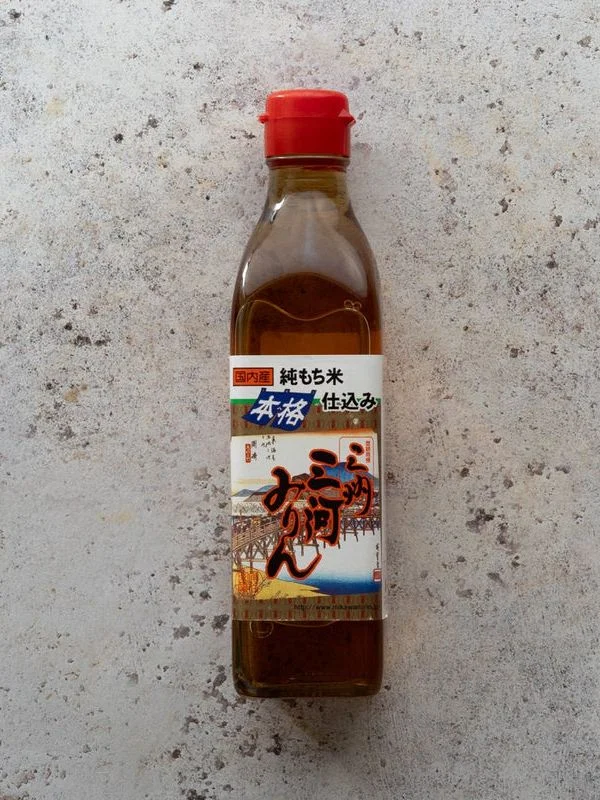
If you want a bottle that meets the standard, Sakai recommends Fukuraijun hon mirin, and Shimbo favors Mikawa hon mirin from Sumiya Bunjiro Brewery. Fukuraijun is available from Japanese Taste for $28.
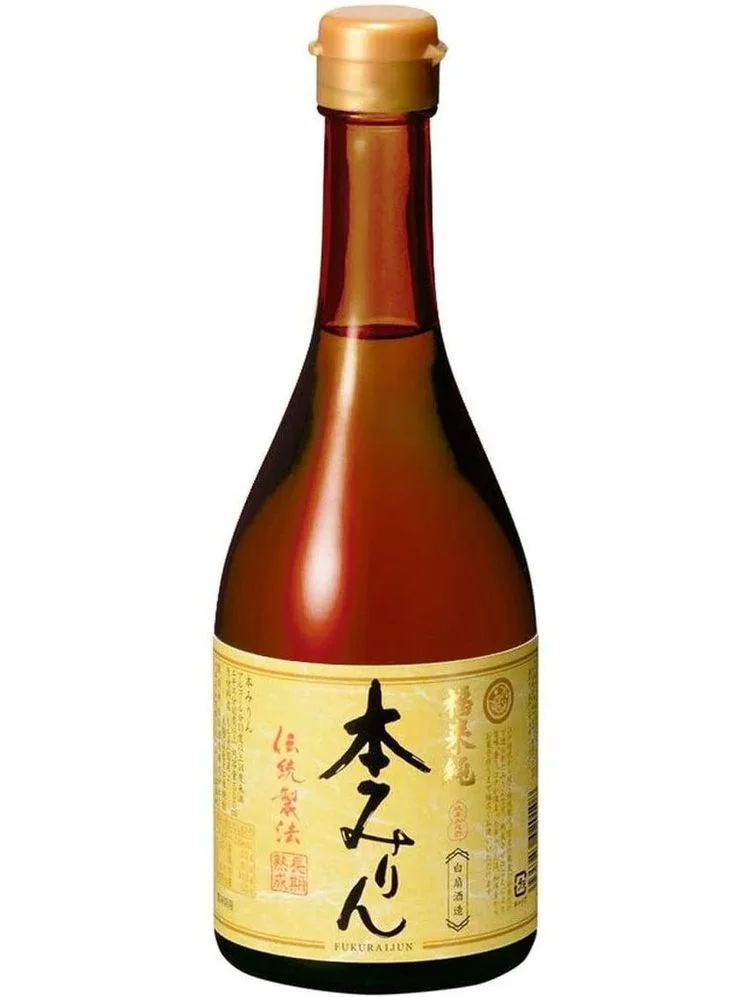
Fukuraijun Hon Mirin Artisanal Sweet Rice Seasoning, 16.9 fl oz, $28 at Japanese Taste
Most cooks are using aji-mirin, and that's fine
Let's be honest about what's in most American kitchens. It's aji-mirin, not true mirin. The name translates roughly to "tastes like mirin," and it's cheap, easy to find, and usually made from glucose or corn syrup, water, rice, salt, and alcohol. It skips the long traditional production process entirely. Alcohol content varies by brand. Kikkoman's aji-mirin, for example, is about 8%. Shimbo and Sakai both avoid it. They point to a flatter flavor and a sweetness that tips too sharp, and Shimbo adds that the lower alcohol level changes how the stuff behaves in a pan. That's a real critique, but it's a critique of the cooking, not the shelf.What J. Kenji López-Alt actually says
López-Alt, author of The Food Lab, won't argue that aji-mirin tastes the same. He says natural fermentation produces byproducts that give hon mirin its better aroma. Then he makes the point that matters for most home cooks: mirin usually shows up in small amounts, alongside plenty of other loud ingredients. He buys naturally brewed mirin when he can, but he keeps cooking with aji-mirin. "You'll notice a difference," he says, "but even the cheapest stuff is still going to work just fine."Sake and mirin aren't the same drink
Mirin and sake are both rice wines in Japanese cooking. The big difference is sweetness, and mirin is considerably sweeter. The gap comes from how each is made. Hon mirin starts with mochi gome, sweet or glutinous rice, and adds shochu, a distilled spirit. That alcohol-heavy environment lets koji enzymes break the rice starches into sugars. Sake uses sakamai, a rice bred for sake, and relies on yeast to turn sugar into alcohol, which leaves it much drier. Sake is also made to be drunk, so the shelf is crowded with styles, many of them too refined to justify pouring into a braise. That's why a bottle of everyday sake is the smarter cooking pick.Rice vinegar is a trap
Mirin and rice vinegar both come from rice, so it's tempting to treat them as cousins. They aren't. Mirin is sweet, syrupy, and alcoholic, with a savory undercurrent. Rice vinegar is sharp and tart with very little sweetness. Rice vinegar belongs in dishes that need acidity. The tempting shortcut is rice vinegar with sugar stirred in. Shimbo, Sakai, and López-Alt all agree it comes out far too acidic. Don't do it.The best substitute is sake plus a sweetener
Here the three experts align. The closest stand-in for mirin is sake mixed with a sweetener. The two wines share enough character to make this a better match than most alternatives, though you won't get the full complexity of hon mirin. Use any sake you have, but Shimbo recommends keeping a big bottle of seishu, clear sake, for cooking. Skip anything labeled "cooking sake," since it may contain added salt that throws off your seasoning. López-Alt usually mixes two parts sake with one part sugar by volume. Shimbo prefers brown rice syrup, which she finds closer to hon mirin's sweetness. Shimbo and Sakai both also consider maple syrup a solid swap. No sake or aji-mirin? Dry white wine or dry sherry with a sweetener works in a pinch, though neither is a true match. López-Alt says dry white wine comes closer than sherry, but it brings its own flavor, which can noticeably shift the finished dish. And here's the catch: many recipes that call for mirin also call for sake. You may need to replace both.Going alcohol-free is harder than it sounds
None of the three experts recommended a specific alcohol-free alternative. Some mirin-style seasonings have less alcohol than hon mirin, and some have none, but they don't swap cleanly into every recipe. Read labels closely. Aji-mirin can contain alcohol, and shio mirin, the salted kind, isn't necessarily alcohol-free. Cooking reduces the alcohol but doesn't guarantee it all cooks off. If you're avoiding alcohol strictly, buy a product explicitly labeled alcohol-free rather than counting on simmer time. And watch the salt. Some mirin-style products are salted so they're unpalatable as a drink, which means you may need to pull back on other sodium sources in the recipe.Storage is easy with hon mirin
Hon mirin keeps well. Its sugar and alcohol content make it remarkably shelf-stable. Store it tightly sealed in a cool, dark cupboard rather than the fridge, where the sugars can crystallize. Aji-mirin and other mirin-style seasonings vary by product, so check the label for instructions after opening.Where mirin earns its place
Combine mirin with soy sauce and sake and you have a silky tare, the seasoning base for ramen. Reduce it until it turns syrupy and you have a glossy teriyaki sauce. It works on salmon, steak, and vegetables. Its quick-cooking range is wide. Think stir-fried udon with pork or soboro don, plus slow braises, soups, and marinades. Its gentle sweetness suits fish and tofu, as in brothy steamed bass, and it rounds out the tang in this miso-turmeric dressing. Plenty of Western cooks reach for table sugar in these spots, and mirin can do the job with more depth. "When you use real mirin," Shimbo says, "there are many good effects."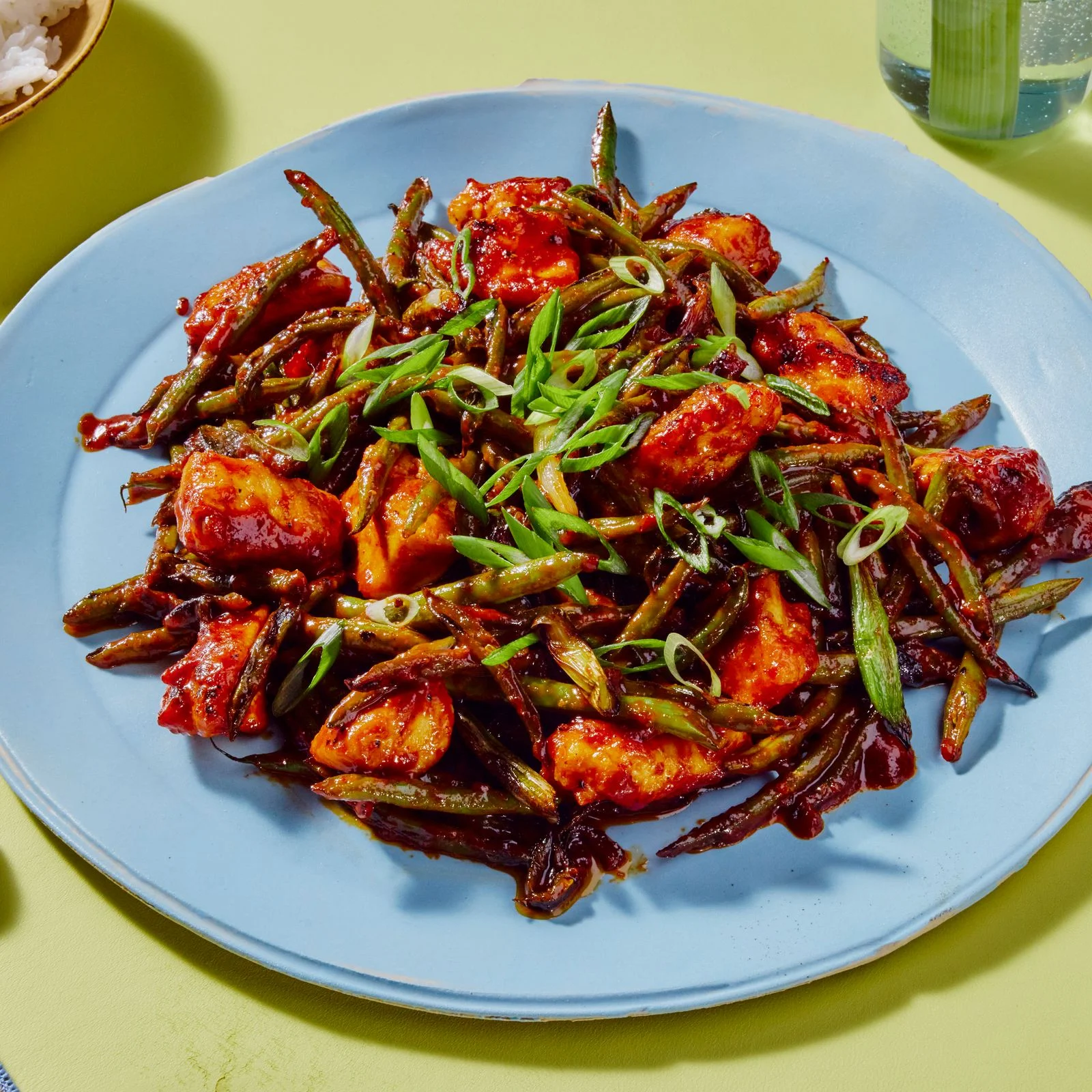
Discussion
Sign in to join the discussion.