Chris Brown is contesting a $13 million judgment over a dog attack, claiming jury bias and exclusion of critical evidence warrant a new trial.
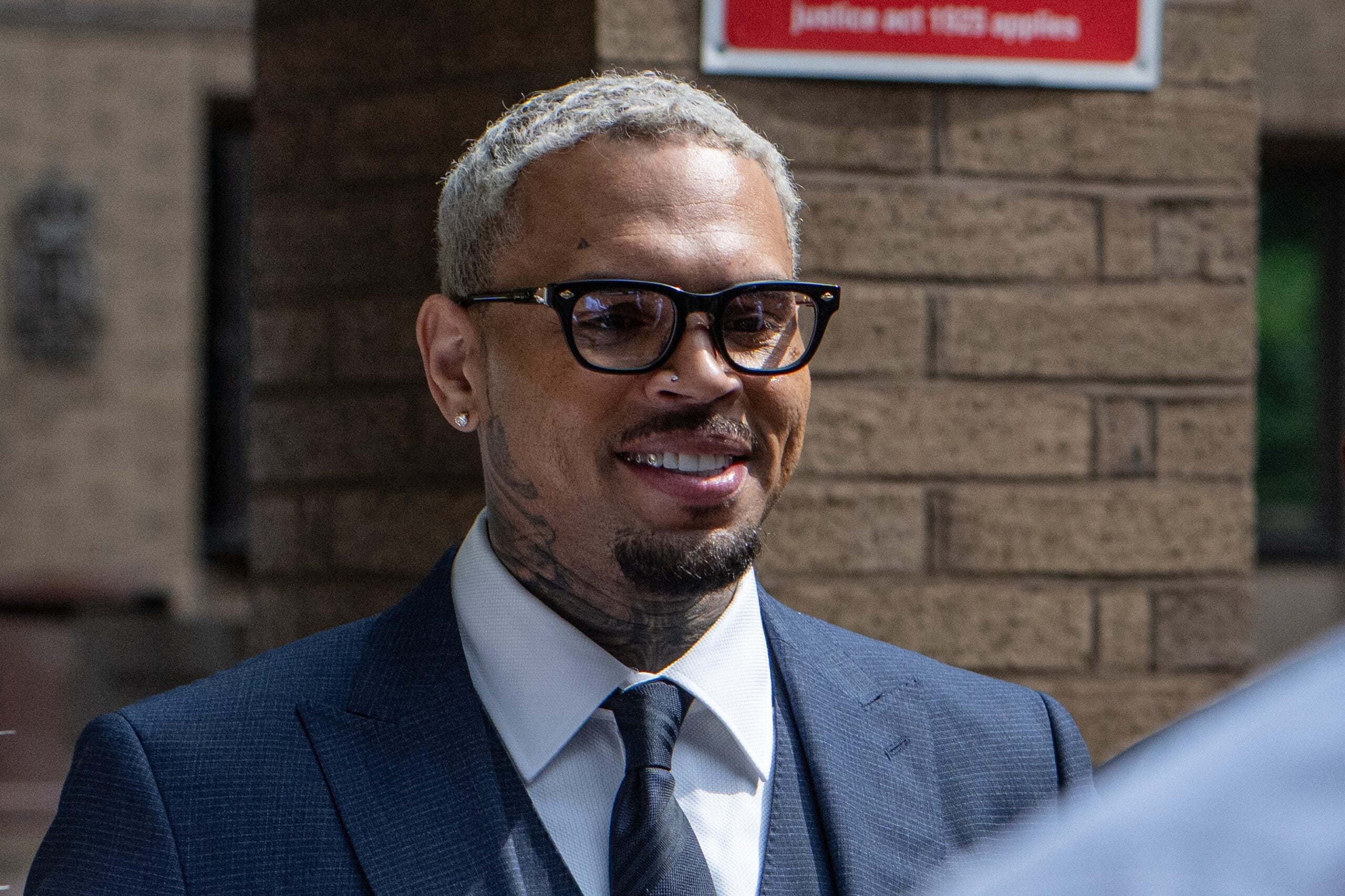
Chris Brown is challenging the recent jury verdict related to a 2020 dog attack involving his former housekeeper. In June, a California jury found him liable and ordered Brown to pay nearly $13 million in damages, a sum he deems "excessive." His legal team is now seeking a retrial on various grounds, including claims of prejudicial evidence affecting the jury's decision.
Details of the Case
On June 30, a judge ruled that Brown must pay $12.9 million to a housekeeper after she was attacked by a dog at his residence in December 2020. Initially, Brown's team acknowledged some responsibility but disputed the housekeeper's claim for $90 million. This acknowledgment highlights a notable aspect of legal disputes in personal injury cases—defendants often aim to show some accountability while simultaneously protecting themselves from what they perceive as unreasonable claims. Despite the jury awarding a lesser amount, Brown's pursuit for a retrial underscores his dissatisfaction with the ruling, a move that may indicate not just a fight over finances, but a bid to preserve his public image as well.
Claims of Jury Prejudice
In an August 10 filing, Brown's attorneys asserted that the $13 million damages awarded were inflated and that certain evidence which could have mitigated his liability was excluded from the trial. A focal point of their argument centers on a "derogatory" question posed to Brown during cross-examination that referenced his 2009 felony assault against Rihanna. His legal representation contends that this discussion unfairly influenced the jury's perspective, stating that Brown's past should not affect the current case's merits. This tactic of invoking a defendant's past has been a source of contention in many high-profile trials. It sparks a broader conversation about the balance between relevant context and the potential for bias in the jury's decision-making process.
Exclusion of Key Evidence
Brown's legal team outlined that critical evidence was barred from being presented at trial, which may have altered the outcome. They contend that the head of security's payment to the housekeeper's family after the incident, which was not disclosed during the trial, would have affected how damages were calculated. Actions taken post-attack could indicate an acknowledgment of responsibility, which also complicates the narrative. In legal battles, the availability of evidence can significantly influence jury perceptions and outcomes; thus, the exclusion of financial compensation from the head of security could be viewed as a misstep by the courts. Brown's defense suggests that the actions taken post-attack demonstrated their commitment to addressing the situation, countering the awarded amount’s justification and revealing the complexities of liability in personal injury claims.
Legal Strategy Moving Forward
Notably, Brown’s attorneys indicated that they are seeking a new jury to potentially reassess the liabilities associated with the dog attack case. However, a retrial isn't just about rehashing the evidence; it can also be a gamble. The court's decisions and the jury's impressions from the previous trial could pose significant obstacles moving forward. If the new jury is influenced by the previous proceedings, Brown's chances for a favorable outcome might diminish. This strategy could also signal to his fans and the public that he remains combative in the face of legal challenges, an image he may want to uphold in light of his public persona.
Pending Financial Claims
The context of the case is complicated further by the financial aftermath for the plaintiffs. Alongside the housekeeper's significant award, additional damages were awarded to her sister and husband, amounting to $885,000 and $50,000, respectively. These additional claims introduce another layer of complexity, showing how personal injury cases often ripple through multiple relationships. Meanwhile, efforts to collect the awarded amounts have faced delays, with the housekeeper's attorney, Nancy Doumanian, struggling to reach Brown’s team amidst his ongoing $400 million tour. This raises questions about accountability and the challenges plaintiffs face in enforcing court orders. If you’re working in this space, the difficulty in collection can dishearten potential litigants seeking justice.
The Housekeeper's Attorney's Response
Doumanian has publicly criticized Brown's appeal, reaffirming confidence in the jury's decision and questioning the validity of Brown's arguments. She noted that the evidence against him was compelling and believes that the judge is unlikely to approve a retrial request. “You can’t hit the reset button every time a jury holds you accountable,” she remarked, emphasizing the strength of the case presented in court. This response underscores a broader point about the judicial system: it’s designed to handle disputes and protect against frivolous claims. While Brown's legal appeals are within his rights, they also highlight the public frustrations that often surface when outcomes don't favor the expected.
Implications and Future Outlook
Brown's summer R&B tour, featuring Usher, is projected to gross over $100 million, insinuating his financial capacity to cover the damages awarded. Yet, the implications of Brown's legal challenges may extend beyond just financial penalties. They could significantly affect his public image and career trajectory. The persistent shadow of legal troubles can alienate fans and impact ticket sales, not to mention brand partnerships. And this is the part most people overlook—public perception can shape opportunities in ways that cold hard facts can't. As this situation unfolds, the interplay between his legal strife and public persona could redefine how he relates to both his audience and industry stakeholders.
Discussion
Sign in to join the discussion.