Aaron Sorkin's upcoming film, "The Social Reckoning," critiques Facebook's evolution and its societal impact since "The Social Network."
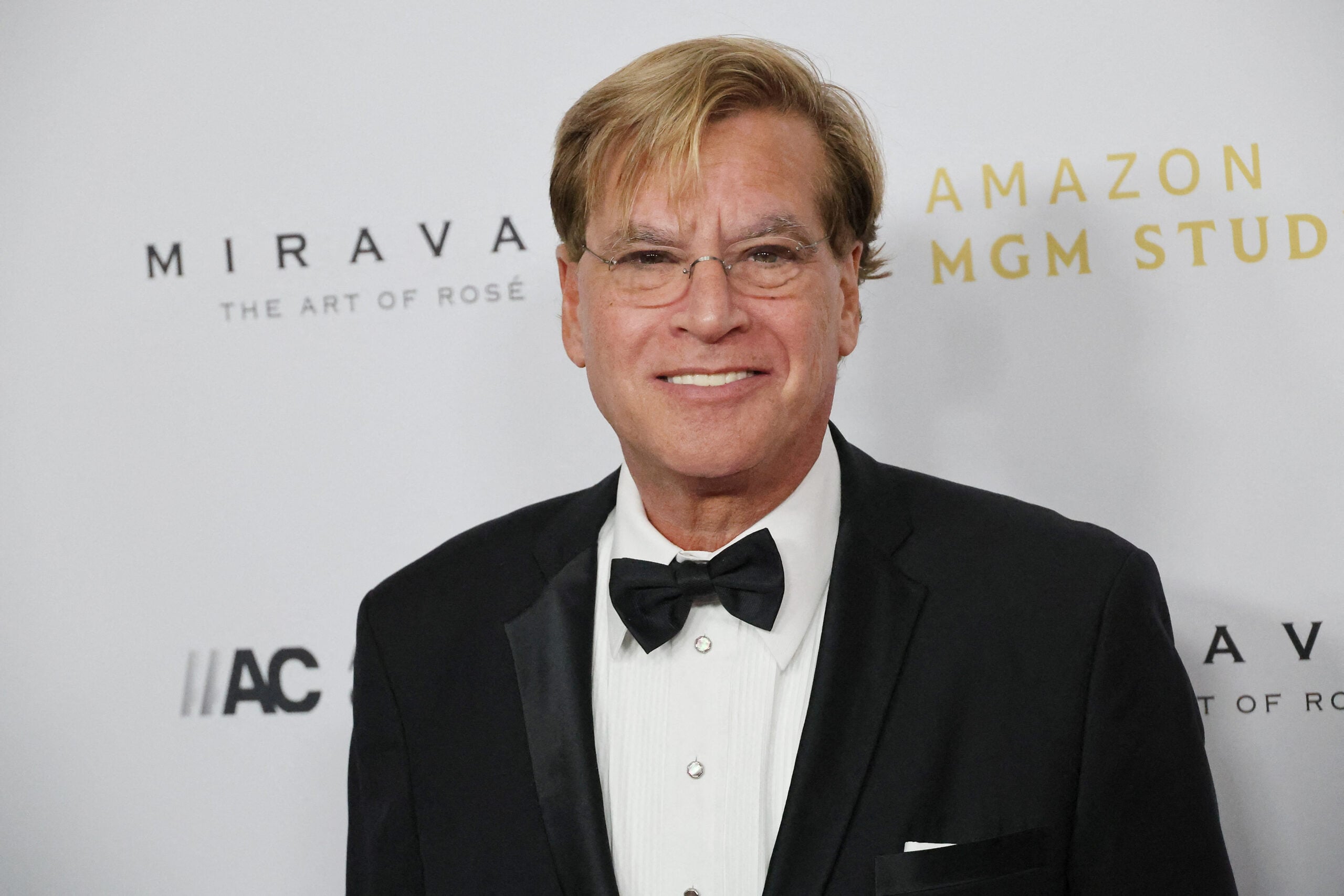
Aaron Sorkin is gearing up for the release of "The Social Reckoning," a film that revisits Facebook's impact 16 years after his acclaimed work, "The Social Network." In a series of interviews leading up to the film's debut, Sorkin has offered frank insights into the platform’s evolution and its extensive societal implications.
Insights on Facebook's Influence
The previous film, "The Social Network," focused primarily on Facebook's inception, showcasing the lawsuits and interpersonal conflicts that characterized its early days. In contrast, "The Social Reckoning" shifts its lens to examine how Facebook has evolved into a significant player in shaping public discourse among its vast user base. Sorkin points out an alarming statistic: about a third of American adults now get their news from Facebook. This statistic underscores a deeply problematic trend in how information is disseminated and consumed in the digital age. Many are left questioning the credibility and integrity of news when platforms like Facebook become primary sources of information. This erosion of shared truths has implications that reach beyond simple misinformation; it affects civic engagement and social cohesion.
Linking Facebook to January 6
Sorkin doesn't shy away from making bold connections between Facebook's operations and pivotal moments in American history. His assessment directly ties the platform's design choices to the January 6 insurrection at the U.S. Capitol, where he states with clarity: "I blame Facebook for January 6." The platform's algorithmic choices, which prioritize engagement over truth, played a role in spreading misinformation that ultimately led to violence. This isn’t just an opinion but a reflection of the crumbling trust in digital platforms, which are designed to capitalize on user engagement—often at the cost of factual integrity.
Additionally, Sorkin brings attention to the infamous Cambridge Analytica scandal, which exemplifies a significant breach of user trust and a lack of accountability. When Facebook users learned that their data was harvested for political gain without their consent, the implications rippled across the globe. Although there was a brief dip in user engagement following the scandal, Sorkin argues that Facebook’s management reverted its algorithms to amplify anger-inducing content, perpetually feeding a cycle of divisiveness. This observation indicates a concerning prioritization of profit over ethics, raising serious questions about the accountability of social media giants.
A Platform Out of Control
While Sorkin acknowledges Mark Zuckerberg's intelligence and vision, he suggests that Facebook is now "completely out of control." The platform faces multiple challenges, from a lack of robust measures to protect user data to the propagation of harmful, incendiary content. This leads us to consider whether Zuckerberg ever imagined that his social media experiment would spiral into such chaotic territory. Sorkin implies that Zuckerberg's original intentions—to connect people—have been overshadowed by Facebook's profit-driven practices and misalignment with user welfare.
Sorkin's perspective raises broader questions about the ethical responsibilities of tech leaders. Does the pursuit of innovation absolve them of accountability? Or do they bear the burden of consequences when their platforms empower harmful behavior? These issues are particularly relevant in an age where platforms wield immense power over public opinion and societal norms.
Crafting Zuckerberg's Narrative
Creating a nuanced portrayal of a figure like Zuckerberg is fraught with challenges. Though he didn't take part in either film, Sorkin reflects on their past interactions, revealing a desire to present an authentic narrative instead of one that is sanitized for approval. This can often be a dangerous path to tread, particularly when it involves such a polarizing character whose actions have far-reaching implications. It forces the writer to balance criticism with understanding, to explore why someone might become the villain in their own story.
In June, he discussed the complexities of developing the character for "The Social Reckoning," likening it to writing a case for redemption. “You’ve got to write that character like they’re making their case to God why they should be allowed into heaven.” This approach complicates the narrative, inviting audiences to examine the multifaceted nature of Zuckerberg’s role in shaping not just a social media giant, but public discourse itself.
What to Expect from ‘The Social Reckoning’
The film is anticipated to focus on the impactful revelations from whistleblower Frances Haugen, whose disclosures about Facebook have raised pertinent ethical questions about the company's internal practices and governance. She brought to light that Facebook often prioritized engagement metrics over user safety, leading to potentially dangerous consequences—especially for vulnerable groups. This evolution in public awareness, as reported by journalist Jeff Horwitz of the Wall Street Journal, represents a watershed moment in how audiences view social media companies. They’re no longer just platforms; they’re central actors in shaping democracy and public opinion.
With a talented cast that includes Mikey Madison as Frances Haugen, Jeremy Allen White as Jeff Horwitz, and Jeremy Strong as Mark Zuckerberg, the film promises to explore the intricacies of these ethical dilemmas. Other notable performances from Bill Burr, Wunmi Mosaku, and Billy Magnussen add further interest, making this not just a critique of Facebook but a nuanced study of the people behind the headlines. "The Social Reckoning" is set to hit theaters on October 9, and there's already buzz regarding its potential cultural impact.
Implications and Future Outlook
The conversations sparked by Sorkin’s new film may be more significant than they appear. As audiences sit in theaters, they’ll grapple with questions about their own relationship with social media. If you're working in this space, consider how such portrayals could influence public sentiment towards platforms that might have previously seemed untouchable. With ongoing debates about regulation and accountability, "The Social Reckoning" could serve as a catalyst for a larger dialogue on the responsibilities of tech companies. The film not only scrutinizes Facebook but implicates the broader tech industry in a culture of unchecked power.
More than a critique, it's a call to action for tech leaders, educators, and legislators alike. The implications of the film could extend beyond its release, resonating in boardrooms, classrooms, and legislative halls as pressing questions about ethics and responsibility gain visibility. And this is the part most people overlook: while films like this engage audiences, they can also usher in necessary changes in policies and practices across the tech industry.
The ‘The Social Reckoning’ Director Aaron Sorkin Says Facebook Has Become ‘Very Dangerous’ first appeared on The Blast.
Discussion
Sign in to join the discussion.