At Ursa, Aaron Lopez and June Chee turn locally foraged plants and family food traditions into two seasonal menus rooted in the Sonoran Desert.

At Ursa, the menu begins with a tight radius: roughly eight to 10 miles around Tucson. That limit puts Sonoran Desert plants and regional food traditions at the center of the restaurant’s cooking, shaping both what reaches the table and how chef Aaron Lopez works.
Lopez and his wife, June Chee, draw on hundreds of edible plants in the desert. Brittlebush can be pressure-cooked, caramelized until nearly black, then baked into cake. Dried saltbush develops a savory, seaweed-like flavor, while palo verde buds become briny after treatment with lye. Cacti provide paddles, fruit, seeds, buds and flowers, which the restaurant grills, poaches, cold-smokes, juices, dehydrates, nixtamalizes or preserves as jam, wine and vinegar. Ursa sources many cactus varieties from Tucson grower Toadlet Farm; Lopez harvests them throughout the year.
That work turns the restaurant into a kind of demonstration kitchen. “We treat Ursa as an art showroom, demonstrating to people what these plants can do, what sustainable means, and what was here before it got easy,” Lopez says. His approach also reflects the influence of his grandfather, Hector Lopez, who died in the spring. “He was the first person I ever heard say they’re proud to be from the desert,” the chef says.
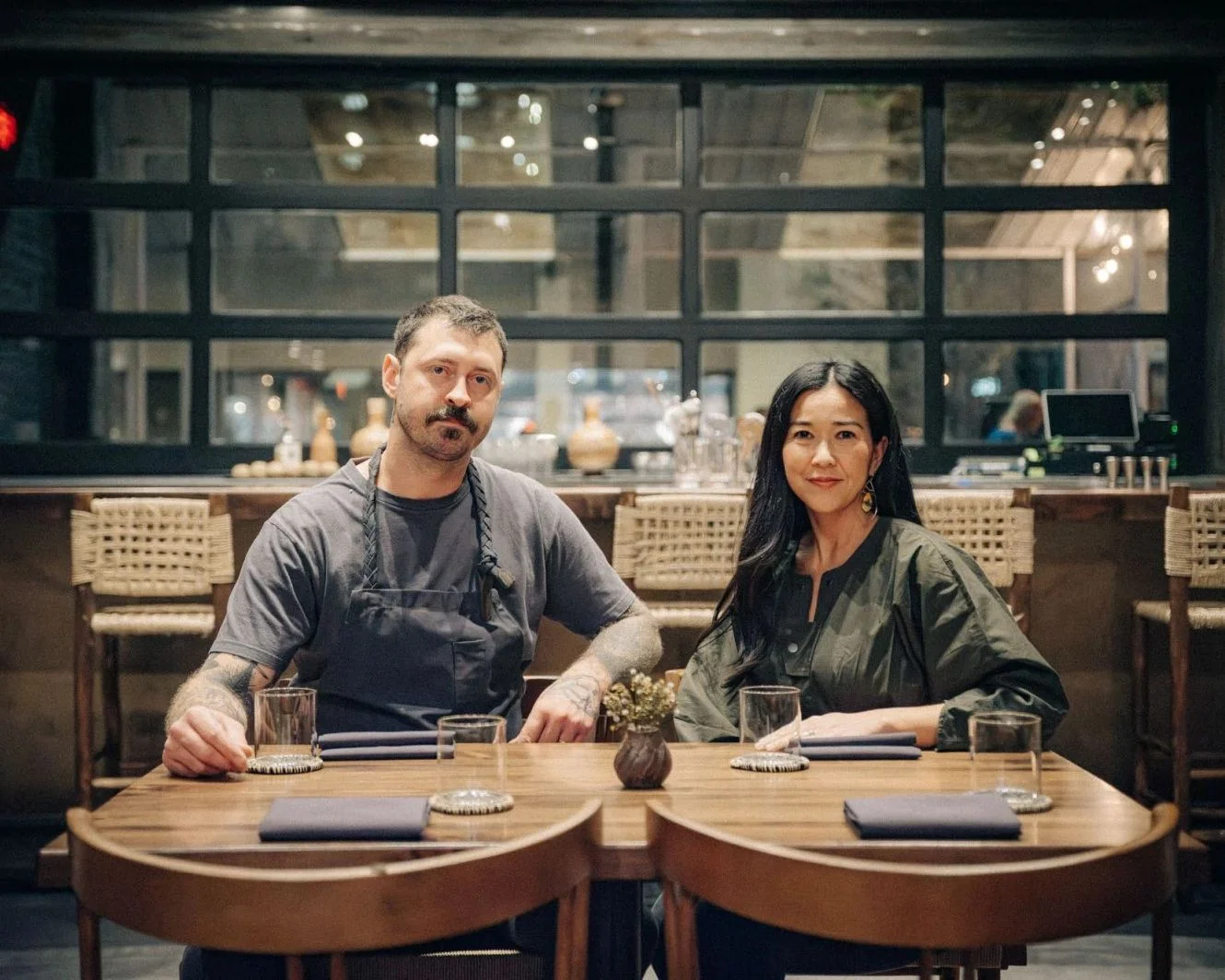
A menu shaped by place and season
Ursa began as a pop-up in El Centro, California, in 2023. Lopez and Chee moved into a historic brick building in downtown Tucson and reopened in October 2025. Both grew up in the Sonoran Desert borderlands, though they met in Hawaii, where Chee worked in clean energy and transportation. Lopez had spent about 18 years cooking at fine dining and modern progressive restaurants, including Redbird and Orsa & Winston in Los Angeles and Pai Honolulu. He was ready to return to the desert.
After helping a friend open a restaurant and staging pop-ups in Austin, the couple bought a desert foraging guide and drove around the Southwest with their two dogs. Tucson offered a close connection between local agriculture, regional foodways and restaurant kitchens. UNESCO recognized the city as a Creative City of Gastronomy in 2015, citing a 4,000-year agricultural history and enduring Sonoran Desert food traditions.
“That’s a unique thing about being here, the connection from seed to plant to restaurant that we hadn’t been able to grasp before,” Chee says.
A recent course built around tepary beans shows how that connection plays out on the plate. Ursa refried the ancient, nutty beans and topped them with lactofermented h:al squash. The squash leaves became Japanese-style kosho; its flowers were pickled, dried and crushed with saltbush, then mixed with barrel cactus seeds for a desert take on furikake. Grilled coins of chorizo, made from Lopez’s great-grandmother’s recipe, and housemade flour tortillas rounded out the dish. An amazake drink made with fermented wheat and goat fat accompanied it.
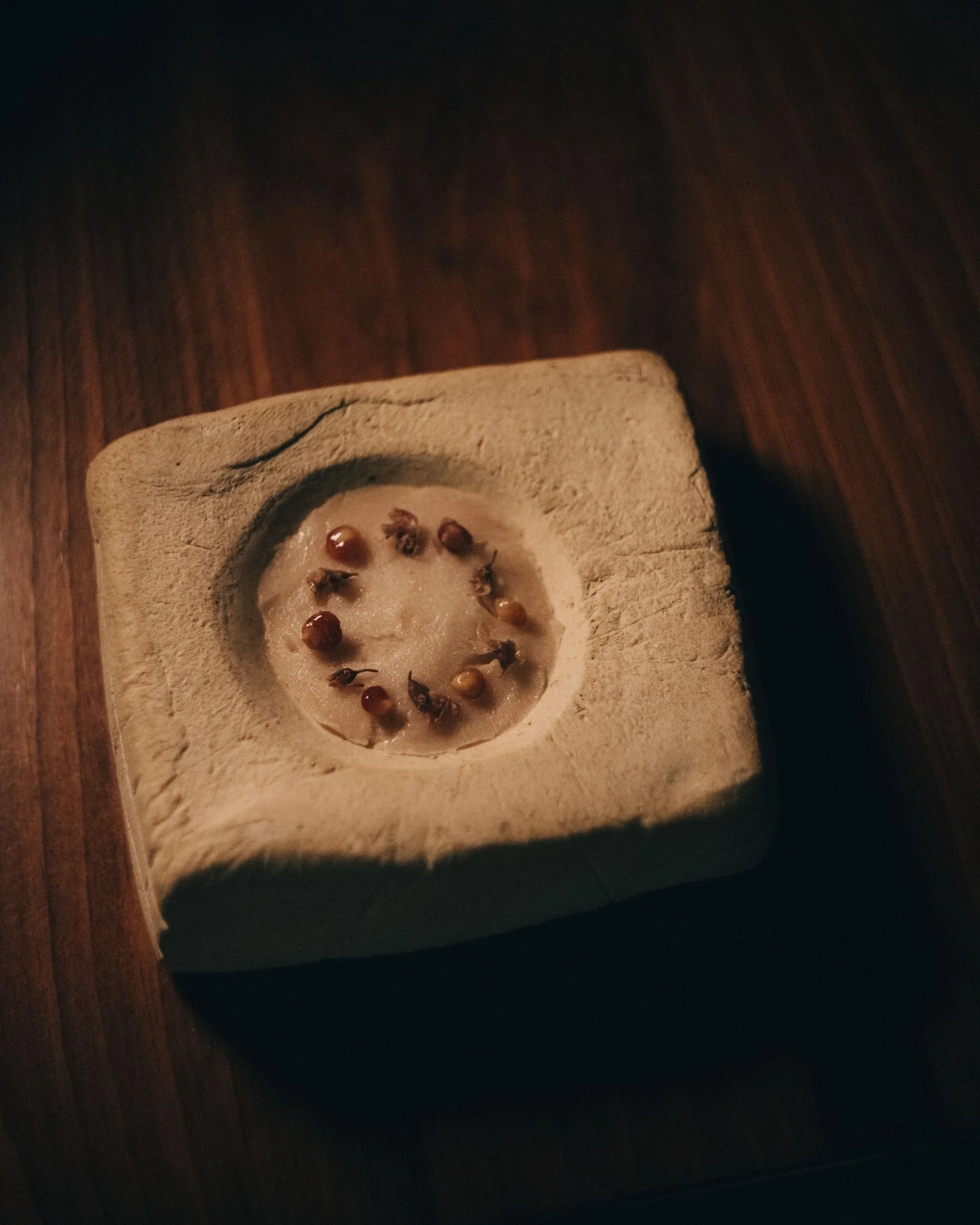
The menu shifts with the ingredients. Availability can change from day to day, so diners shouldn’t expect a dish to stay fixed. Even the pantry’s boundaries are specific: Ursa uses pima club, an ancient soft white wheat cultivated for centuries by the Akimel O’odham (Pima) people, and leaves out familiar produce such as cucumbers, radishes and citrus.
“We’re not trying to substitute anything, like, ‘How do we achieve cucumber? Let’s grab a cactus?’” Lopez says. “We have to throw everything out, really strip it down. Sometimes we have to let the ingredients be bitter or spicy. We have to put our egos aside and let the ingredient be the star.”
Family traditions at the table
For cooks who didn’t grow up in the region, learning to work with its plants takes time. Some are already growing close to home: Chee recalls guests recognizing lamb’s quarter, a spinach-like desert green that appears across the menu, in their own yards.
Ursa’s tasting menu can be demanding for diners, too. This fall, the restaurant introduced a four-course, family-style Lineage menu for $75 alongside its 10-course Harvest menu, priced at $150. The new option draws more directly on Lopez’s family cooking. One course takes inspiration from an annual spring tradition: roasting goat in agave leaves, barbacoa-style, then shredding it into pozole. Another pairs a red masa tamal with glazed quail and yucca blossoms in a mole made with burnt mesquite bread, a technique Lopez remembers from childhood.

The Lineage menu took shape during an extended summer closure, while Lopez recovered from foot surgery and reflected on his grandfather’s role in keeping family traditions alive. The result brings Ursa’s foraging and preservation practices closer to familiar dishes, giving diners another way into the restaurant’s idea of desert food.
“I feel so much closer to my ancestors and the land; we want Ursa to be less esoteric and more soulful,” Lopez says. “The story of Ursa is partly of the desert, partly my family. Now we’ve advanced to the point where they’re symbiotic, and I can't tell them apart.”
At Ursa, the desert’s ingredients set the menu’s limits, while family memory gives those ingredients a story. The changing harvest will keep the plates in motion; the newer Lineage menu makes that same sense of place easier to encounter around the table.
Discussion
Sign in to join the discussion.