Learn how to whip cold heavy cream by hand, mixer, or jar, and choose soft, medium, or stiff peaks to suit your dessert.

Whipped cream is easy to make; the judgment call is knowing when to stop. A few extra seconds can turn a soft, spoonable topping into a firmer cream that holds its shape, so the right texture depends on what you’re serving. A whisk, an electric mixer, or even a Mason jar will do the job.
Soft peaks suit desserts such as Strawberry Eton Mess and Triple Chocolate Mousse Cake. For a layered dessert like Berries and Cream Mille-Feuille, firmer peaks provide more support. That difference matters: whipped cream isn’t just a garnish. Its texture can change how a dessert holds together.
What you need
Start with cold heavy cream, a large bowl, and a whisk. A handheld mixer works too; a Mason jar is an option if you’re prepared for a workout. If you’re whisking by hand, choose a bowl with room to spare. Cream roughly doubles in volume, so aim for a bowl that holds three to four times as much as the unwhipped cream.
A wide balloon whisk helps beat air into the cream more effectively than a narrow sauce whisk. The cream matters just as much: heavy cream and heavy whipping cream both contain at least 36% milk fat and work interchangeably. Cream labeled only “whipping cream,” or “light cream,” has less fat and won’t hold its volume as well.
How to make it
One cup of cold heavy cream yields about two cups whipped. For a lightly sweetened batch, add 1 tablespoon powdered sugar; for vanilla cream, add ½ teaspoon vanilla extract or paste.

The method is simple. The useful skill is controlling the texture.
- Give the cream space. It expands as you whip, and a cramped bowl makes splashes likely.
- Keep the tools cold. Chill the bowl and whisk or mixer beaters in the freezer for 10–15 minutes, and use cream straight from the refrigerator. Cold equipment isn’t mandatory, but it helps the cream whip faster.
- Add sugar and easy flavorings first. Stir in sugar, vanilla, or other simple additions before whipping so they distribute evenly and the sugar has time to dissolve.
- Whip with purpose. Move the whisk around the bowl and lift the cream as you work. Side-to-side strokes are more effective than circling the bowl. Trails left by the whisk signal that the cream is thickening.
- Stop at the texture you need. Soft, medium, and stiff peaks each have a use; pushing past the target changes the result.
Sweeten or flavor to taste
Whipped cream doesn’t have to be sweet. Leaving it plain can keep a dessert’s flavors in balance, whether it’s served with Bourbon Caramel Apple Pie or Diner-Style Rice Pudding. For a lightly sweetened version, use about 1 tablespoon sugar per cup of cream. Powdered sugar dissolves quickly and usually contains a little cornstarch, which may help the cream hold. Granulated sugar gives a cleaner flavor but takes longer to dissolve. Add either before whipping.
For deeper flavor, infuse the cream in advance. Combine it with rice for Horchata-inspired cream or bourbon to pair with classic pumpkin pie, then refrigerate for three hours or overnight. Strain out solids before whipping.
Extracts, a splash of liqueur, cocoa, ground spices, citrus zest, and coffee syrup can go straight into the cream before you whip it. Save chunky additions such as toasted nuts or chopped chocolate for the end, folding them in gently with a rubber spatula.
Choose the right peaks
To check the peaks, lift the whisk upright and look at the cream clinging to it. Soft peaks droop; stiff peaks stand straight. Medium peaks fall between the two, holding some shape while staying supple.
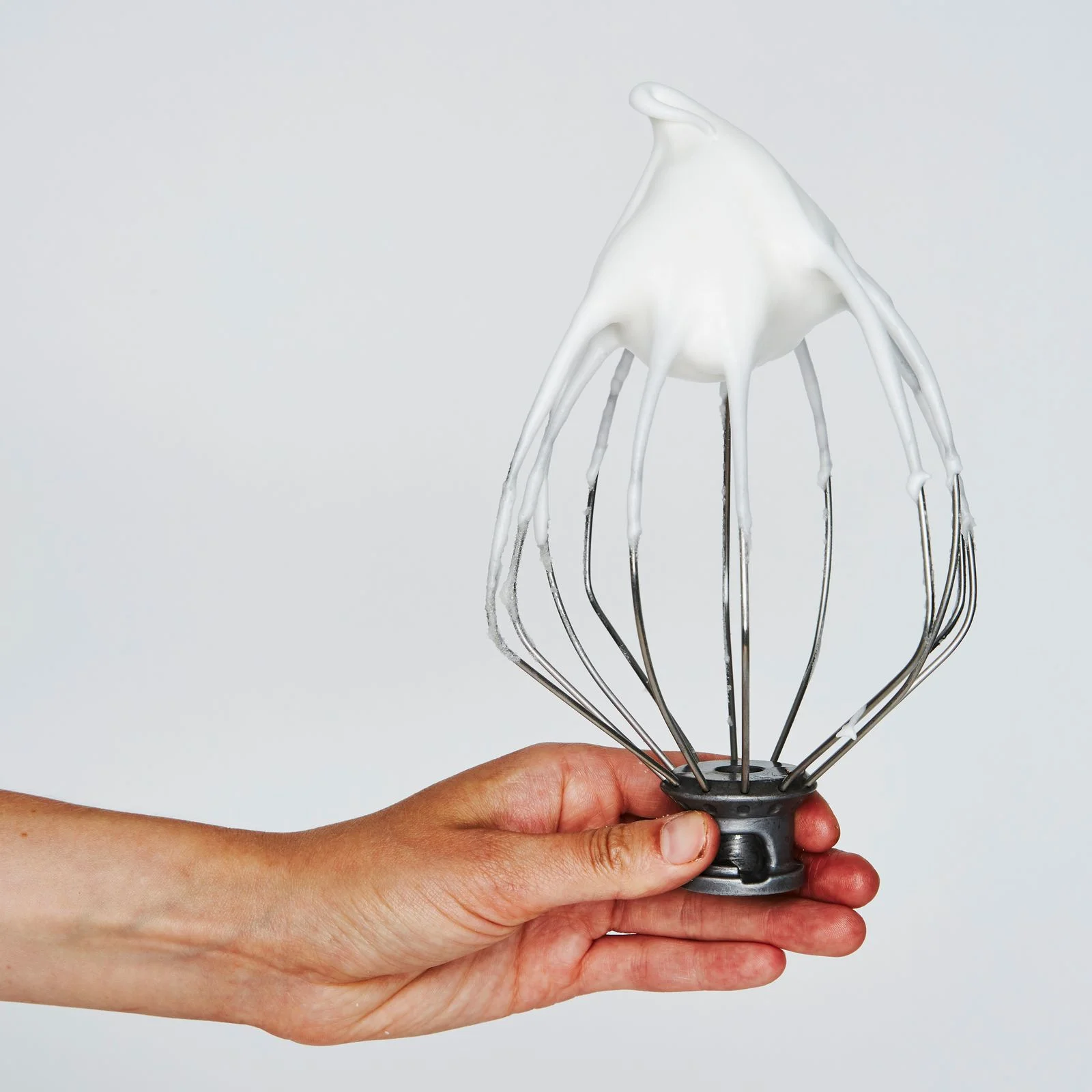
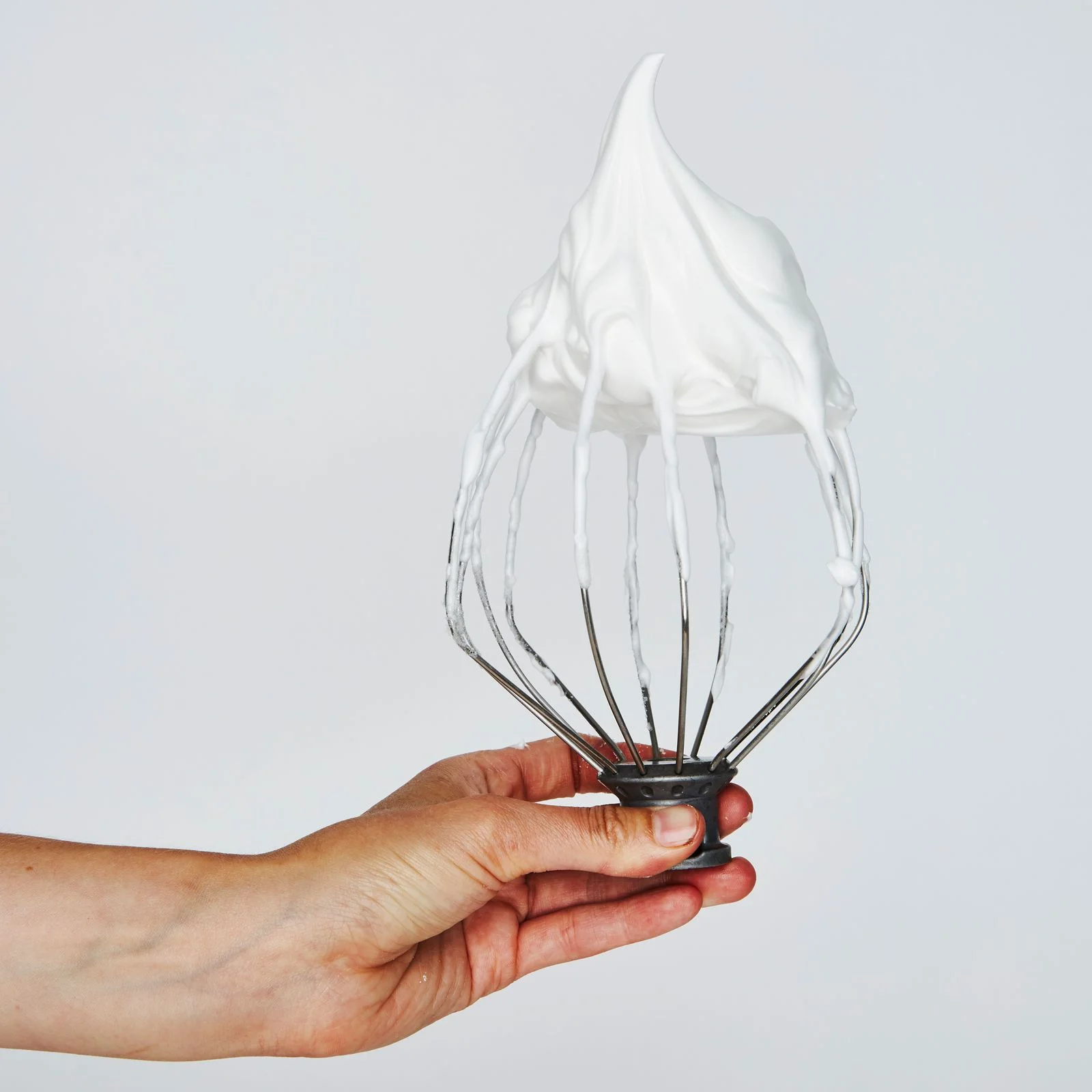
Soft peaks are the usual choice for recipes such as Mix-and-Match Fools and for spooning over Pecan Cream Pie. Medium peaks give Ginger-Raspberry Icebox Cake more staying power. For chocolate mousse, both textures can matter: stiff cream adds structure when folded into the chocolate, while soft cream makes a gentler topping.
How to make whipped cream without a mixer
There’s more than one way to whip.
Choose the method that gives you control
Hand-whisking takes work, but it gives you the clearest feel for when the cream reaches the texture you want. If you start with a mixer, finish with a whisk: those last few strokes make it easier to stop before the cream gets too stiff.
No whisk or mixer? A jar can do the job. Chill a tightly sealed container, Mason jar, or leak-proof cocktail shaker in the freezer for five minutes. Start with very cold heavy cream, and leave room for it to move: one cup of cream in a four-cup vessel is a useful guide. Shake steadily. When the liquid no longer sloshes and feels heavier, check it; if it’s still loose, seal the container and keep going.
Make it ahead, then bring it back to life
Whipped cream can wait in the refrigerator for up to four hours. Stop whisking while it’s still a little soft, cover it, and give it a few vigorous strokes just before serving to restore its volume.
You can freeze it, too. Pipe or spoon portions onto a parchment-lined baking sheet and freeze until firm. Transfer the frozen portions to an airtight bag, where they’ll keep for one to two months. Set them out for about 15 minutes before serving.
Help whipped cream hold its shape
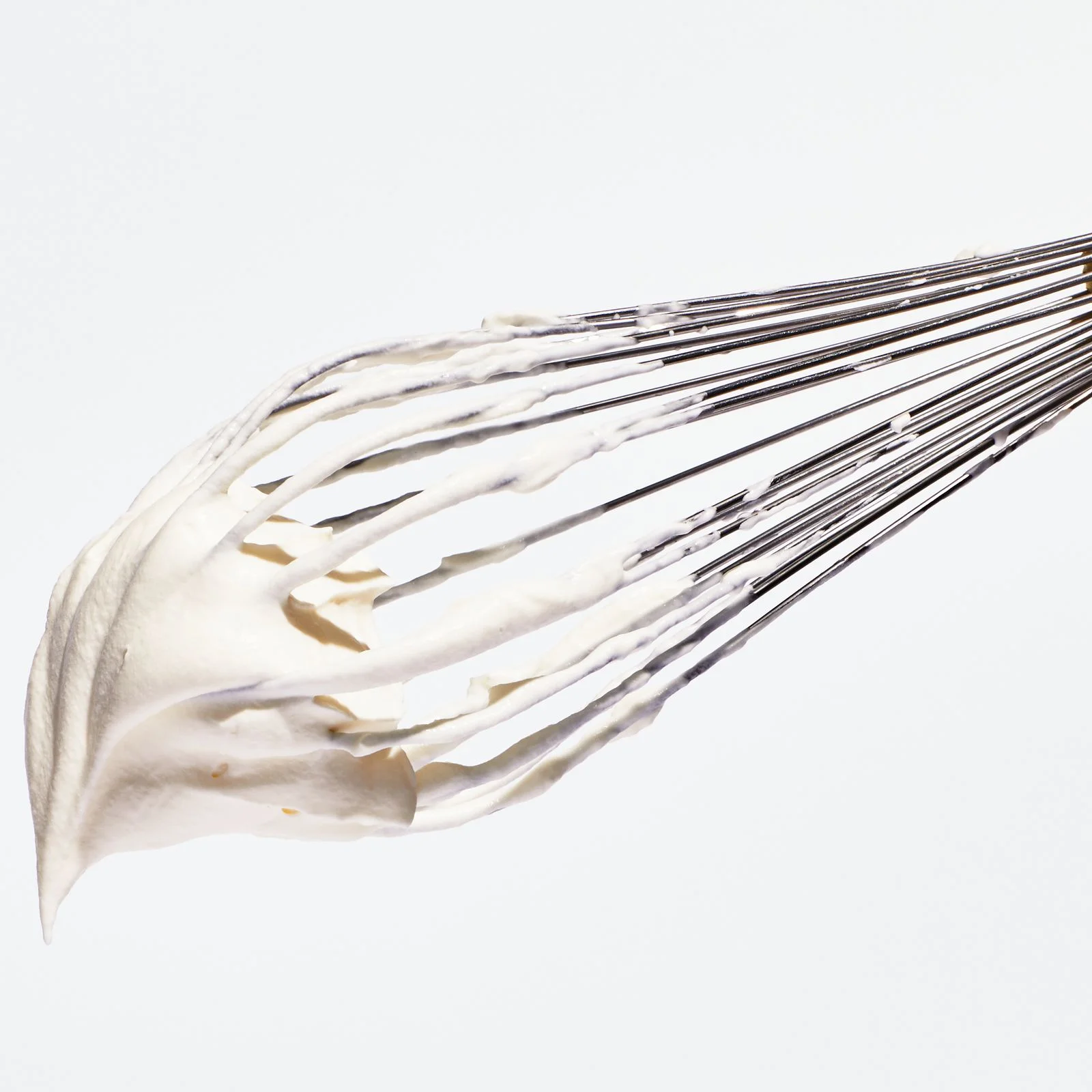
For cream that needs to last longer, instant vanilla pudding mix is a practical stabilizer. For each cup of heavy cream, add 1 tablespoon of the mix and 2 teaspoons of powdered sugar, then whip as usual. Its modified starch absorbs some of the moisture that can make cream separate, helping it stay fluffy for up to 24 hours. The method is a handy shortcut, though it does add vanilla flavor. Instant pudding mix has other uses, too.
Sour cream offers a tangier route. Whisk ¼ cup into 1 cup of heavy cream: it tempers the richness and gives the topping more body. That combination appears in Pecan Cream Pie.
Fix the texture before it’s too late

If the cream is taking ages to thicken, check the temperature first. Cold cream traps air more readily and holds it longer. Chill the cream, bowl, and whisk in the freezer for five minutes or the refrigerator for up to 30, then try again. Cream choice matters as well: heavy cream or heavy whipping cream works better than half-and-half or other heavy cream substitutes.
Already gone a little too far? When the cream is merely stiff or grainy, slowly whisk in a splash of cold heavy cream. Add more in small amounts until it smooths out. Keep watching as you work: continued whipping can turn the cream into butter.
Discussion
Sign in to join the discussion.