Emily Wilson's translation of the *Odyssey* reflects deep personal connections, celebrating its themes while inspiring new adaptations like Nolan's film.
Personal Reflections on a Classic Epic
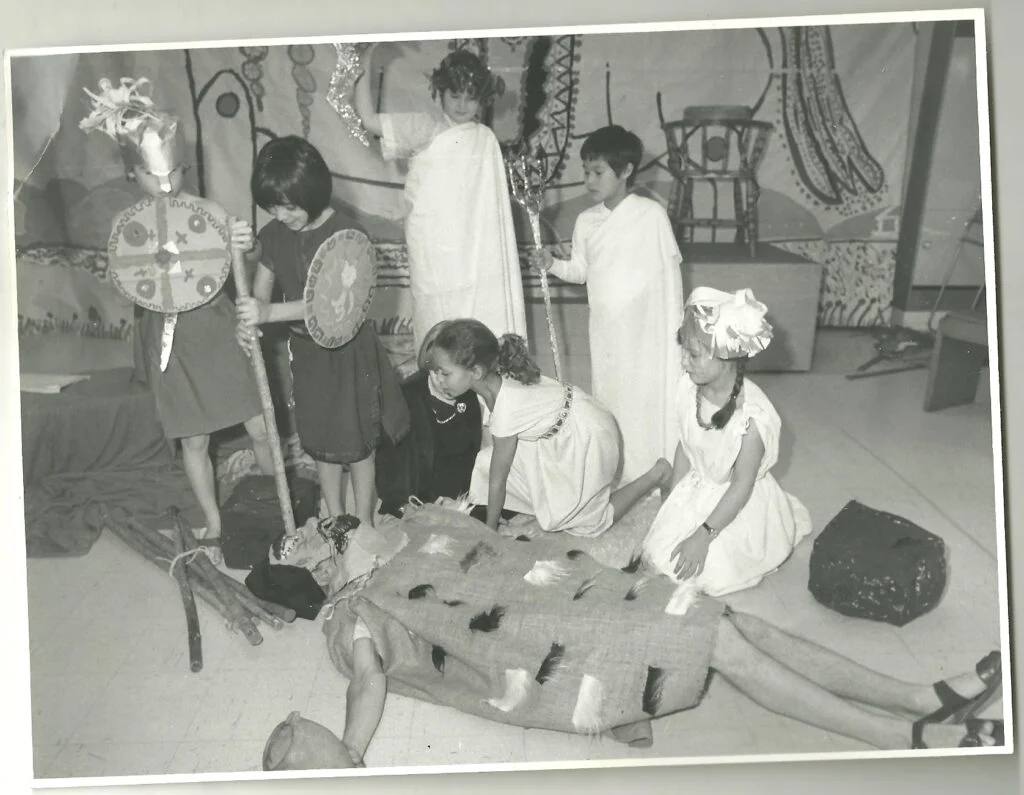
Emily Wilson’s adaptation of the Odyssey transcends mere translation, tapping into profound personal experiences that mirror the complexities of Homer’s narrative. In a poignant piece for The Paris Review, she recalls her early portrayal of Odysseus during childhood, an experience that shaped her relationship with the text. At just eight years old, Wilson was captivated by how Odysseus could transition from a celebrated hero to an anonymous figure, an exploration of identity that resonates throughout her translation. This early encounter with the text not only deepened her appreciation for Homer’s work but also laid the groundwork for her scholarly interests in themes of identity and transformation.
Continuing the Conversation Through Adaptation
Wilson’s efforts are part of a broader dialogue about how we engage with classic literature today. This past year, The Paris Review spotlighted Daniel Mendelsohn’s cruise that retraced the steps of Odysseus, highlighting his reflections on the voyage with his father. Mendelsohn mused about Odysseus's desire to understand humanity, framing the hero as perhaps the first anthropologist in Western literature. This personal journey underscores the timeless relevance of the Odyssey and highlights how classic tales continue to inspire modern explorations of father-son relationships. In fact, it invites us to think about how the exploration of familial bonds can be traced through narratives that have persisted for centuries. The interplay of personal and mythological journeys serves as a reminder that the themes found in Homer are not just confined to ancient Greece; they resonate within our own realities.
New Cinematic Interpretations
A significant milestone in this cultural re-evaluation is Christopher Nolan's recent film adaptation of the Odyssey, which premiered in theaters this week. Drawing from both Wilson’s and Mendelsohn’s translations, the film aims to present a fresh perspective on this ancient tale of perseverance and identity. That said, it raises questions about cinematic interpretations of literary classics. As audiences flock to view this reinterpretation, they’re offered not just a story, but a chance to reconnect with the themes of loss and homecoming that so powerfully characterize Odyssean lore. Each transformation of the tale—be it stage, text, or film—illuminates different aspects of the original work and prompts viewers to engage with the source material on a deeper level.
Unlocking the Text
As part of its ongoing engagement with the works inspired by Homer, The Paris Review has made Wilson’s and Mendelsohn’s translations accessible in its archives. Readers can explore these translations to gain new insight into the intricate layers of the narrative, deepening their understanding of Odysseus's multifaceted character. This accessibility is particularly vital in an age where literary adaptations are prevalent, allowing readers to consider how various interpretations can influence their comprehension of the text.
(And this is the part most people overlook) – the act of revisiting these works through translations provides a critical lens on how cultural perspectives shape storytelling. In the age of contemporary retellings, Wilson remarks on the enduring magic of the Odyssey, emphasizing, “Odysseus is more than a character; he embodies the complexities of human experience.” Such reflections not only enrich our reading but also invite us to consider how these timeless stories continue to shape our identities in the modern world. They prompt readers to analyze their circumstances through the lens of Odysseus’s trials and triumphs.
From Translation to Performance
Emily Wilson’s work exemplifies how literature can bridge generations. The early performance of the Odyssey remains a poignant touchstone in her journey as a translator, showcasing how personal narratives intertwine with grand epic tales. This connection not only enriches her translation but also reminds us of the foundational stories that define our humanity. It's interesting to see how these narratives evolve and adapt, transcending their original context to find new relevance.
For those wanting to explore this modern adaptation of Homer, visit The Paris Review’s archived translations of the Odyssey where Wilson’s and Mendelsohn’s interpretations are featured, reflecting the narrative's timelessness amid evolving understandings of its themes.
The Future of the Odyssey Adaptations
As we move deeper into this era of adaptations, the conversations around Homer’s work will likely intensify. What this means for you is a heightened opportunity to engage with a text that continues to challenge and inspire. With filmmakers and writers willing to reinterpret such classical narratives, it opens the door for discussions about cultural relevance and identity in different contexts. Will future adaptations stray from the original's themes, or reinforce them in contemporary situations? As scholars and casual readers alike keep wrestling with these questions, the Odyssey is poised to remain a significant touchstone in literature and the arts for generations to come.
Emily Wilson serves as a professor of classics at the University of Pennsylvania, while Daniel Mendelsohn teaches literature at Bard College. Both bring unique perspectives that deepen our engagement with Homer’s enduring work.
Discussion
Sign in to join the discussion.